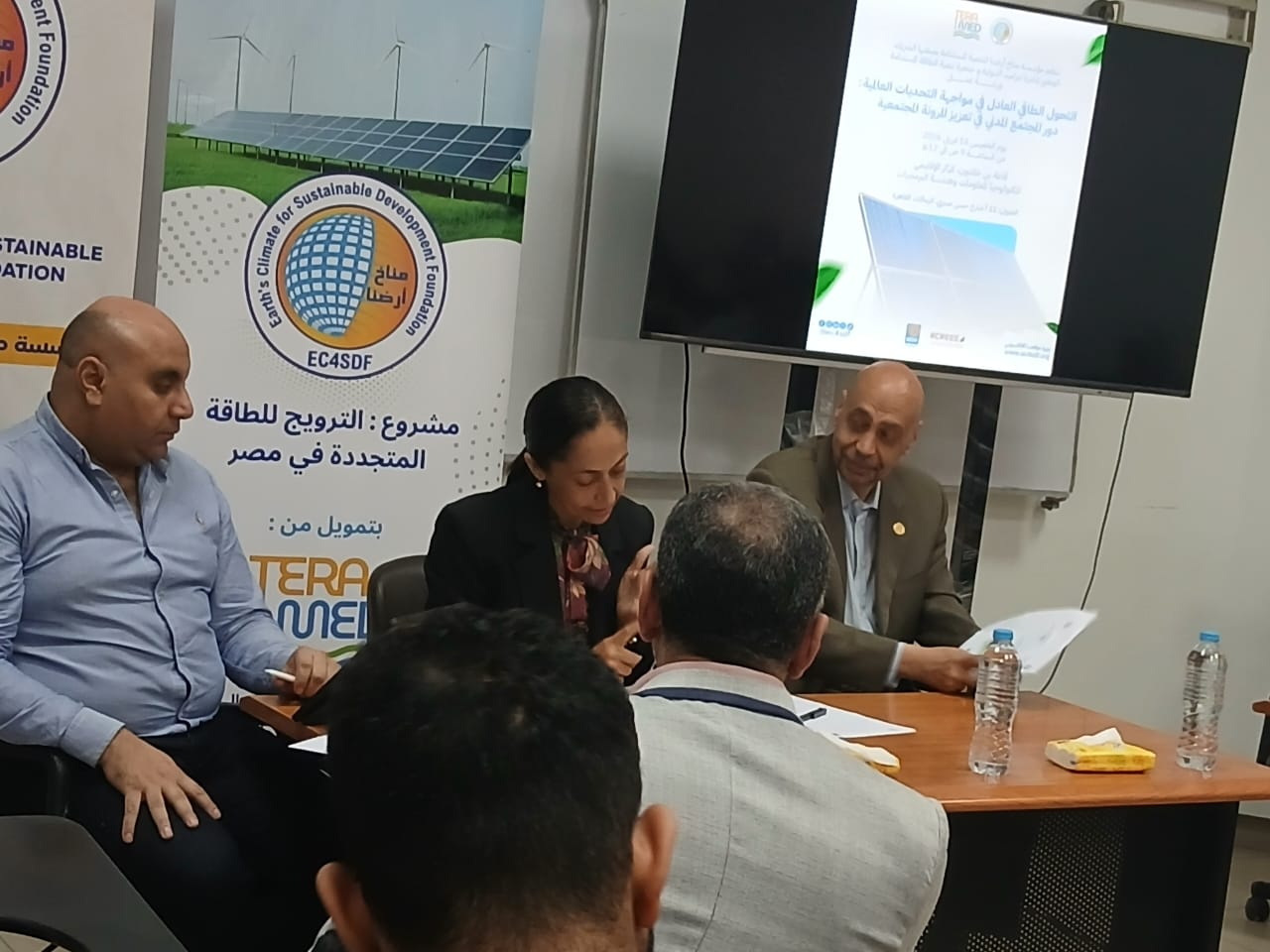
RAED underscores the vital role of civil society in strengthening community resilience during its participation in the “Just-Energy Transition” workshop
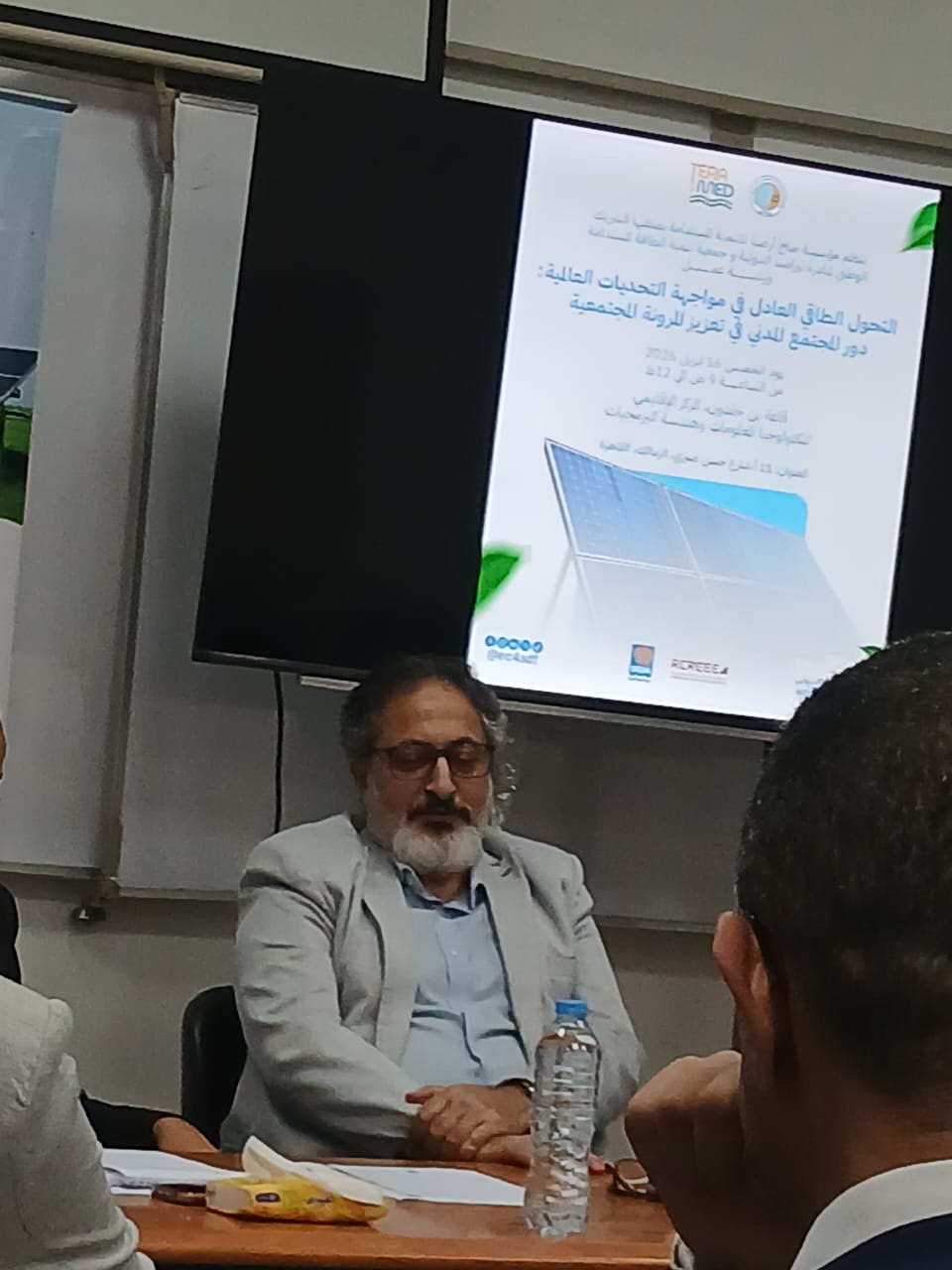
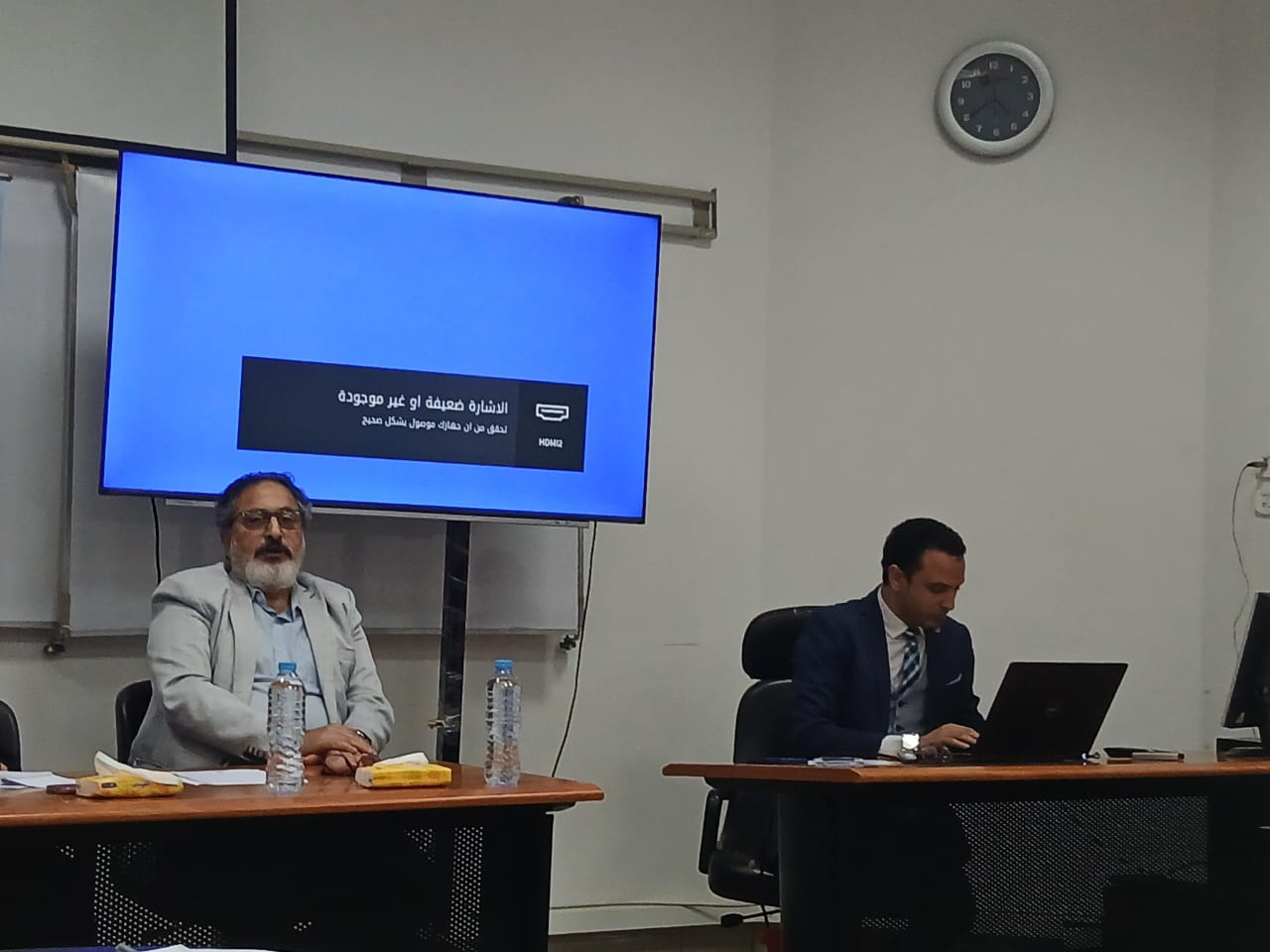
The Arab Network for Environment and Development (RAED) participated in the specialized workshop titled “Just Energy Transition in the Face of Global Challenges: The Role of Civil Society in Strengthening Community Resilience,” organized by the Earth Climate for Sustainable Development Foundation, in cooperation with the Solar Energy Development Association (SEDA), within the framework of the project “Promoting Renewable Energy within Egypt’s Sustainable Development Strategy 2030.”
Through its active engagement in the workshop, held as part of the regional activities of the TeraMed Initiative in the Mediterranean region, RAED emphasized the importance of strengthening the role of civil society organizations as key partners in advancing the transition toward renewable energy. This contribution is essential to achieving sustainable development goals, particularly considering escalating global challenges related to climate change and energy security.
The opening session was inaugurated by Eng. Ali Samir, representing the Our Earth Climate Foundation, who outlined the overall framework of the workshop. He highlighted the importance of a just energy transition as a fundamental approach to addressing environmental and economic challenges, stressing the need to empower local communities and enhance their adaptive capacity, in alignment with the objectives of Egypt Vision 2030.
During the sessions, the Solar Energy Development Association presented the project’s objectives, focusing on the importance of integrating local communities into energy transition efforts and raising awareness of renewable energy as a strategic pathway toward sustainability. Dr. Rasha El Sherbiny, representing the Egyptian Electricity Transmission Company, delivered a presentation on the environmental and social dimensions of energy projects, emphasizing the importance of specialized studies to mitigate negative impacts and enhance community acceptance.
Eng. Amgad El-Hewaihy, former Head of the Research and Studies Sector at the New and Renewable Energy Authority, addressed the technical and policy dimensions of the energy transition in Egypt. He reviewed key challenges facing the expansion of renewable energy sources and stressed the need for integrated planning that aligns national policies with sustainable development objectives.
The workshop also featured extensive discussions among participants, in which RAED played a prominent role. Representatives of the network raised critical questions regarding the challenges associated with reliance on green hydrogen as a promising energy source, particularly in relation to high costs, limited infrastructure, and technological readiness. Discussions concluded that while green hydrogen represents a significant future solution, its development requires substantial investment and strong integration between policy frameworks and technological advancement, as part of a comprehensive energy transition system.
At the conclusion of the event, recommendations emphasized the importance of strengthening the role of civil society in raising awareness of renewable energy issues, enhancing integration between government policies and community initiatives, investing in technical and institutional capacity-building, and promoting environmental and social studies. The recommendations also called for increased support for research and development in emerging energy fields, particularly green hydrogen, and for strengthening partnerships among stakeholders to ensure the effective and sustainable implementation of energy transition projects.
RAED continues to lead the efforts of civil society organizations in the Southern and Eastern Mediterranean to support the objectives of the TeraMed Initiative, which aims to scale up renewable energy capacity in the region to 1 terawatt by 2030. RAED’s participation in this event reflects its ongoing commitment to advancing regional efforts toward clean energy transition, reinforcing the role of civil society in achieving sustainable development, and addressing the impacts of climate change.