Advancing TeraMed Objectives: Scientific Seminar Promotes Renewable Energy Transition in Palestine
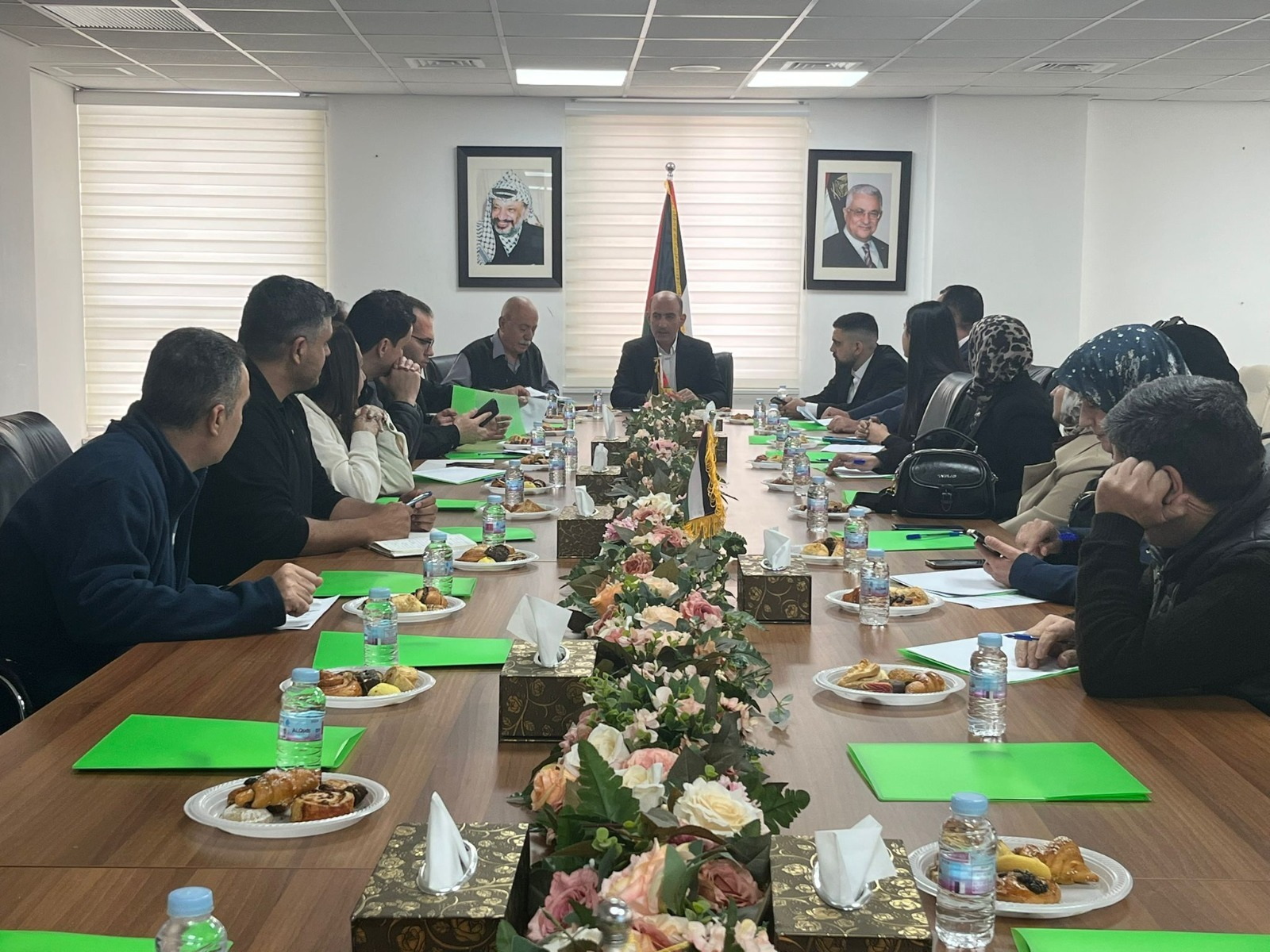
As part of ongoing efforts led by the Arab Network for Environment and Development (RAED) to mobilize civil society organizations in support of the TeraMed Initiative and accelerate the transition toward renewable energy in the region, the Wildlife Society in Palestine organized a specialized scientific seminar in cooperation with the General Directorate of Rangelands and Forests at the Ministry of Agriculture. The seminar, titled “The Importance of Sustainable Renewable Energy in Palestine: Future Prospects and Enhancing Environmental Awareness,” brought together a wide range of partner institutions and relevant stakeholders.
The seminar opened with welcoming remarks by Eng. Thaer Al-Rabi, Director General of the General Directorate of Forests and Rangelands, who welcomed representatives from the Wildlife Society, the Energy Authority, the Ministry of Tourism and Antiquities, the Ministry of Local Government, the Environment Quality Authority, the Investment Promotion Agency, the Southern Electricity Company, as well as staff from the Ministry of Agriculture. He emphasized that the event comes at a critical time to strengthen environmental awareness and explore prospects in the field of renewable energy.
Eng. Al-Rabi highlighted that expanding the use of sustainable energy sources is a key pillar in protecting forests and natural reserves, reducing pressure on natural resources, and conserving biodiversity. He noted that adopting such solutions has become an urgent necessity considering the current challenges facing the agricultural sector in Palestine. He further stressed that the transition to renewable energy contributes to reducing reliance on conventional sources, alleviating economic burdens on farmers, and supporting the sustainability of ecosystems for future generations.
For his part, Imad Al-Atrash, Director General of the Wildlife Society in Palestine and a member of RAED, affirmed that the seminar is part of a broader series of efforts led by RAED to activate the role of civil society organizations across the Arab countries of the Southern and Eastern Mediterranean in support of the TeraMed Initiative. He noted that the initiative aims to increase renewable energy production in the Mediterranean region to one terawatt by 2030, underscoring the strategic importance of renewable energy in addressing the impacts of climate change and desertification.
Al-Atrash further pointed out that the shift toward alternative energy sources, particularly solar energy, represents a practical and sustainable solution for agricultural lands and Bedouin communities, enhancing their resilience to climate and economic challenges. He explained that expanding renewable energy applications contributes to strengthening the resilience of the agricultural sector—especially in the Mediterranean region—by reducing energy costs and improving food security. He also called for the adoption of practical, farmer-oriented projects, such as installing water pumping systems for wells, water desalination units, operating olive presses, and supporting Ministry of Agriculture nurseries, all of which contribute to improving agricultural productivity and sustainability.
This seminar, organized by the Wildlife Society as part of the broader framework of RAED’s work, reflects an integrated approach to combining sustainable natural resource management with renewable energy solutions. It underscores the importance of achieving a balance between economic development needs and environmental protection, while enhancing the capacity of local communities, particularly farmers, to address growing challenges in the coming period.