TeraMed Brings Civil Society Together in Port Said: Local Alliances to Advance Energy Efficiency and Drive Sustainable Transition
Within the framework of the strategic partnership between the Arab Network for Environment and Development (RAED) and the Egyptian Sustainable Development Forum (ESDF), civil society organizations continue to intensify their efforts to support the transition toward sustainable energy and enhance resource efficiency. These efforts are being advanced through the activation of ambitious regional initiatives, foremost among them the “TeraMed” Initiative, which aims to achieve a just and sustainable energy transition across the Mediterranean region.
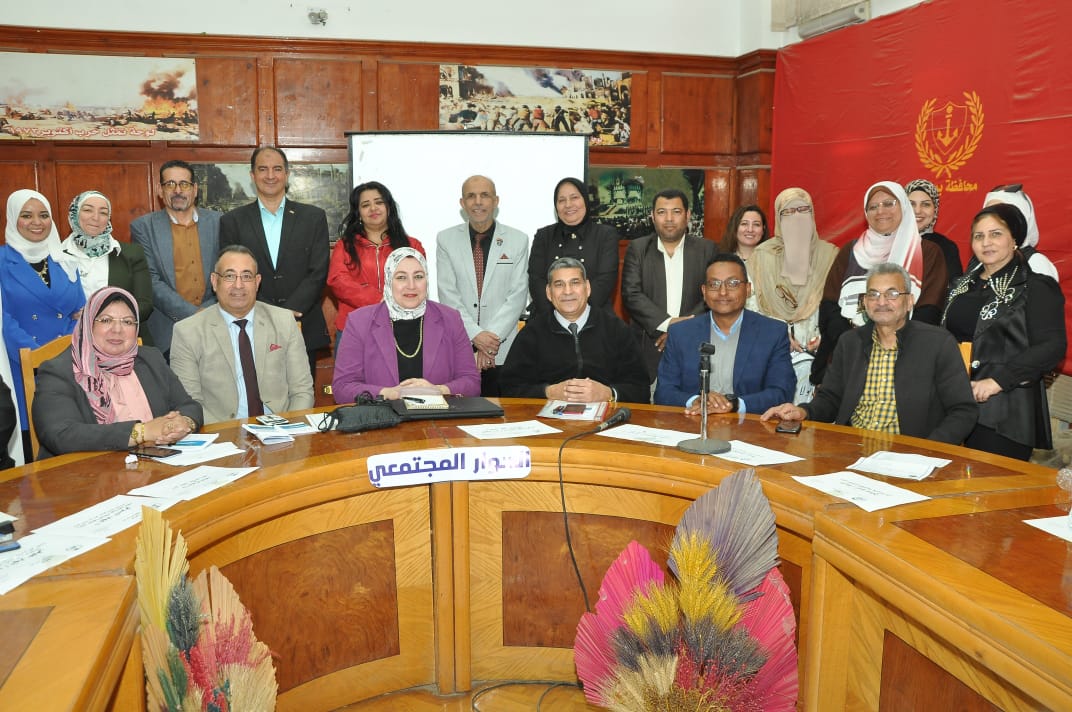
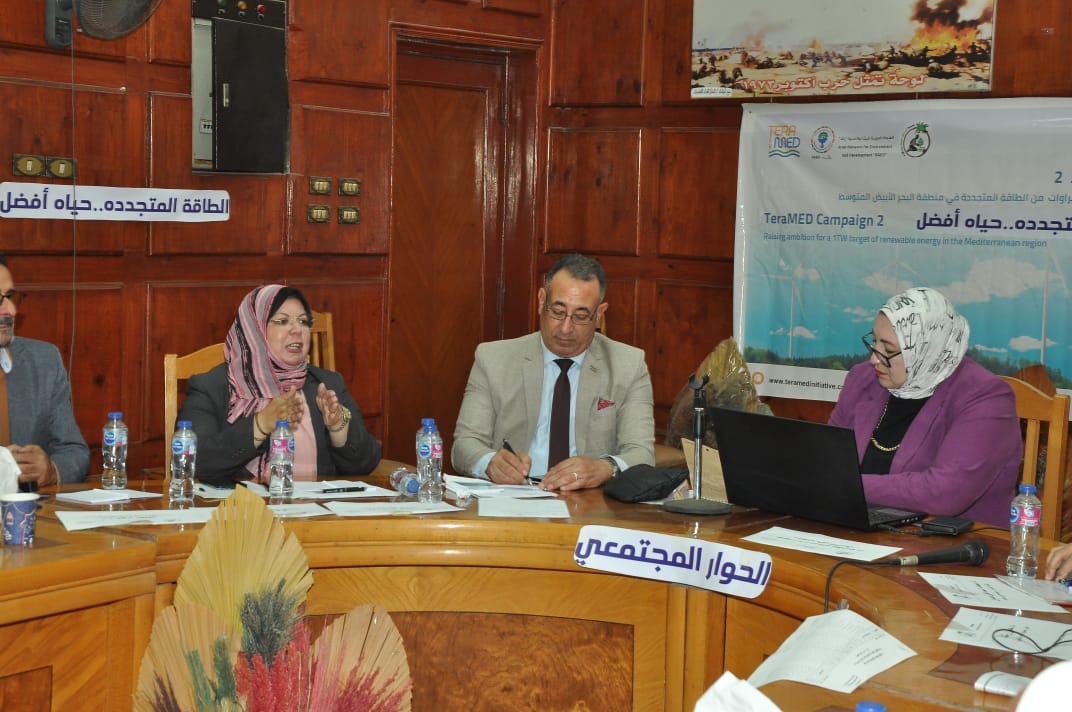
In this context, the “Friends of the Environment Association,” coordinator of the Local Sustainable Development Forum in Port Said, organized an expanded dialogue session chaired by Eng. Ihab El-Desouky, President of the Association. The session brought together representatives of local forums from Ismailia, Suez, North Sinai, and Sharqia, alongside a range of executive and academic stakeholders. The meeting was attended by Dr. Islam Bahnasy, Head of the East District of Port Said, to explore mechanisms for enhancing energy efficiency and promoting greater reliance on renewable energy sources.
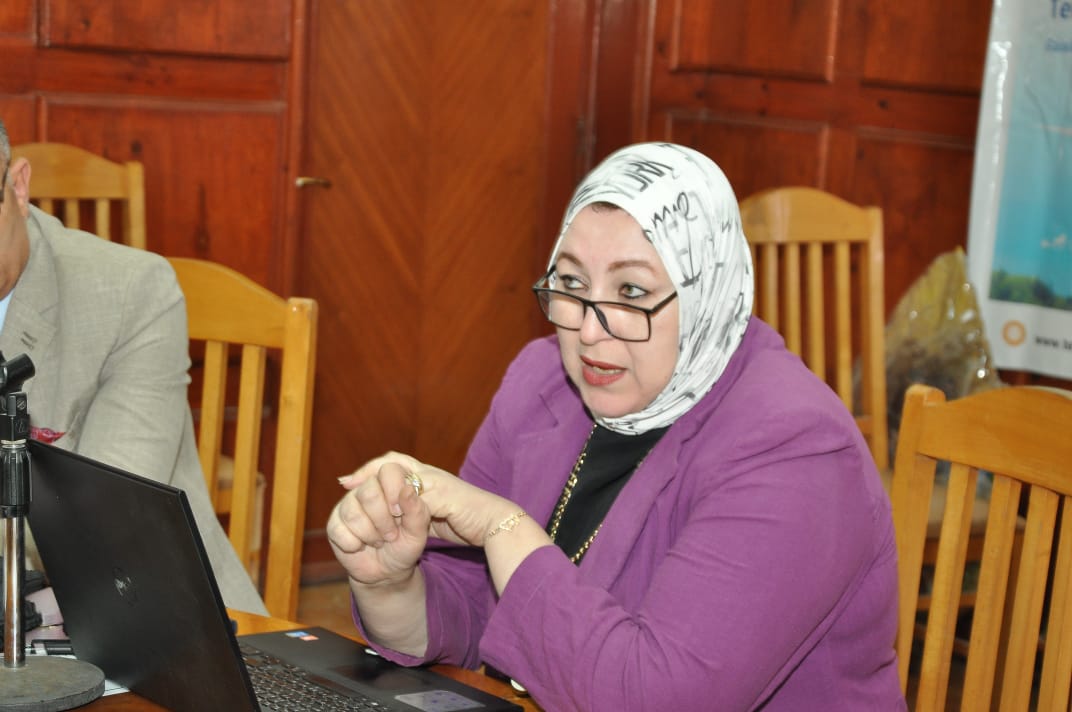
In his remarks, Dr. Islam Bahnasy emphasized that the Egyptian government places high priority on energy conservation, recognizing it as a fundamental pillar for achieving both economic and environmental sustainability. He noted that the government has adopted a comprehensive set of policies and measures aimed at improving electricity consumption efficiency, ensuring a balance between production and demand while reducing economic burdens. He further stressed that the success of these efforts is closely linked to public awareness and the adoption of responsible consumption behaviors, highlighting that responsibility in this area is shared between the state and society.
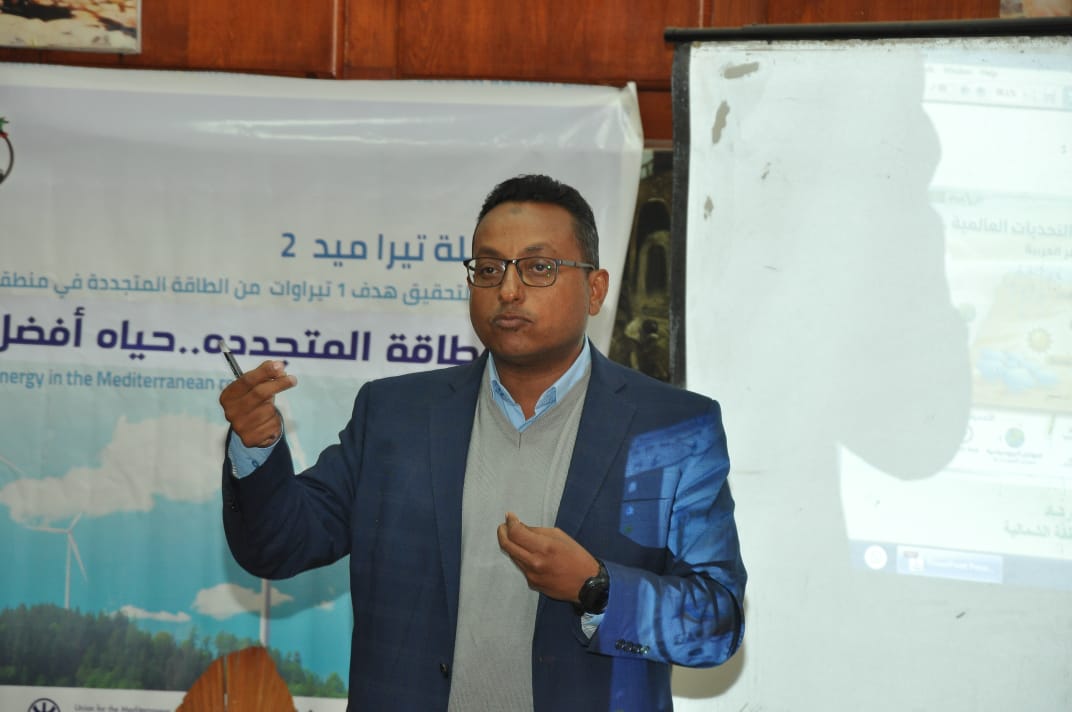
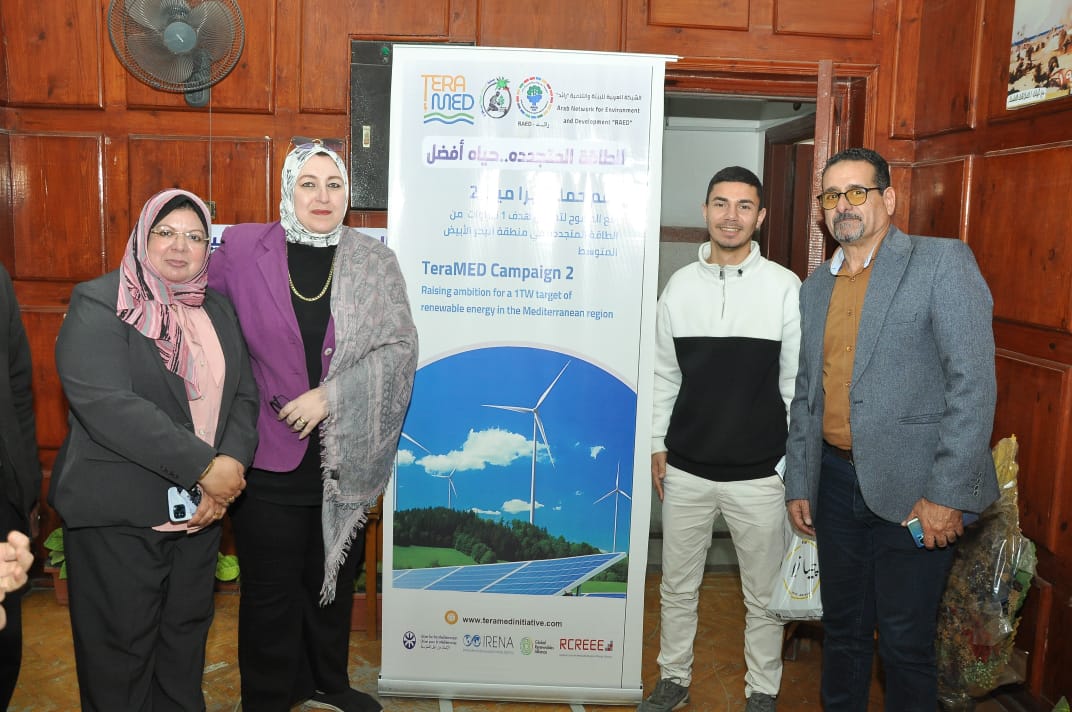
For her part, Ms. Elham Afifi, representing RAED, presented the key features of the TeraMed campaign, which seeks to expand the use of renewable energy, promote updated national strategies that integrate decentralized energy solutions, and strengthen green financing mechanisms. These efforts contribute to shaping a comprehensive national vision for a sustainable energy transition. The session also featured scientific and technical contributions from a distinguished group of experts, including professors from Port Said University and specialists in nature reserves and electricity distribution.
The meeting witnessed broad participation from representatives of various relevant entities, including Port Said University, the Port Said Media Complex, the National Council for Women, the Directorates of Endowments and Agriculture, the General Authority for Healthcare Accreditation and Regulation, as well as industrial entities, vocational training institutions, civil society organizations, and tourism and youth bodies.
During the session, participants discussed successful renewable energy projects implemented in their respective governorates and explored opportunities for scaling up these initiatives, in addition to addressing the challenges hindering their wider adoption. They reaffirmed the pivotal role of civil society organizations in advancing this agenda. The session concluded with an agreement to outline a joint action plan for the coming period, aimed at promoting the adoption of clean energy solutions and expanding local partnerships to support the sustainable development pathway.