RAED takes part in RESCOM regional training in Morocco
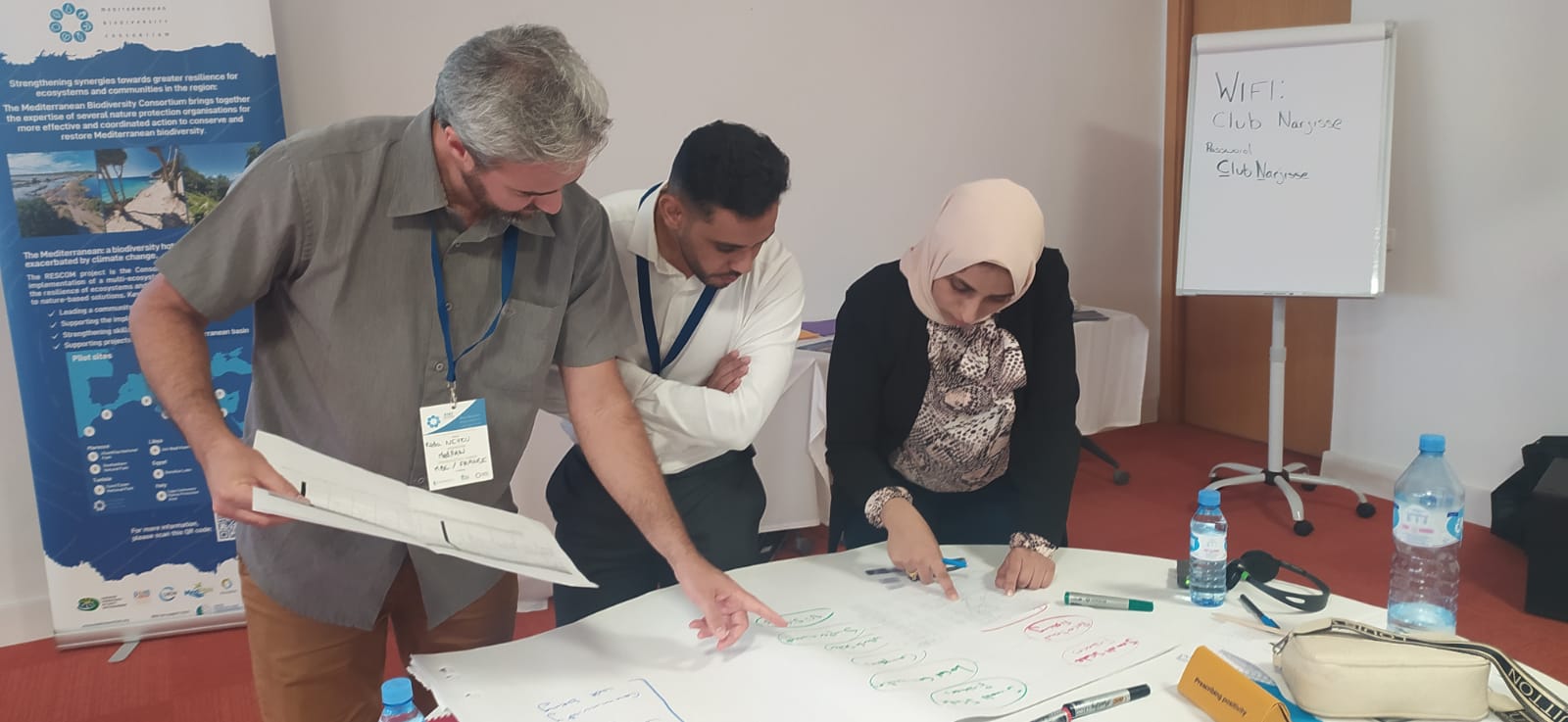
The Arab Network for Environment and Development (RAED) took part in a regional training programme under the RESCOM project in Agadir, Morocco, from 2 to 6 November 2026. Titled “Hosting Sustainable Economic Activities in Natural Areas,” the programme was part of RAED’s efforts to strengthen regional environmental cooperation and share expertise in the sustainable management of natural resources.
RAED participated alongside Egypt’s Ministry of Local Development and Environment as part of the project to strengthen the resilience of Mediterranean ecosystems. RESCOM uses nature-based solutions and promotes sustainable resource management to help ecosystems and local communities adapt to climate change. It seeks to conserve biodiversity while expanding economic opportunities and improving local livelihoods.
The training brought together around 35 representatives and experts from five participating countries: Egypt, Morocco, Tunisia, Albania and Montenegro. Participants built skills and exchanged experiences on how to develop economic activities in natural areas while protecting the resources and ecosystem services that sustain them.
Five themes for managing natural areas
The programme combined theory with practice through group work, field exercises and participatory mapping. Participants analysed case studies from the five countries, presented their findings and discussed proposals.
The first of the five training themes explored natural and social capital, including how to assess ecosystems and their services and understand the links between environmental health and community well-being. The second focused on sustainable tourism, examining opportunities to develop tourism in natural areas, reduce its environmental impacts and manage it responsibly.
The sessions on sustainable agriculture examined agroecological practices that balance agricultural production with biodiversity protection. The sessions on sustainable fisheries addressed pressures on fish stocks and the importance of managing fisheries as part of the wider ecosystem.
The final theme, participatory management, focused on identifying stakeholders, defining their roles and determining how they would take part. Participants developed a framework for joint management and outlined a roadmap for implementation and monitoring.
Field visit to Souss-Massa National Park
Participants visited Morocco’s Souss-Massa National Park to see how natural areas are managed and biodiversity is protected in practice. The visit included the Massa River estuary, the Ramsar-listed wetland site and the park’s ecomuseum.
Participants also met representatives of local cooperatives to learn about local products and community initiatives that support sustainable development. At the Rokein Reserve and its information centre, they learned about the area’s ecological richness and the measures in place to protect and manage it.
The visit showed how protected areas can link conservation with environmental awareness, support for local products and ecotourism, and how these activities can contribute to sustainable economic development.
Applying the training to Lake Burullus
One of the main outcomes was a model management plan for natural areas that participants developed together using the tools and methods covered during the programme. The model assessed existing conditions and environmental and economic challenges, identified economic activities suited to the areas concerned, and mapped stakeholders and their roles. It also set out management measures, ways for communities to participate and a roadmap for implementation.
The training strengthened participants’ ability to assess natural resources and related economic activities and gave the five countries an opportunity to share practical approaches to managing natural areas.
The outcomes are particularly relevant to Egypt’s efforts to improve the management of natural areas, with Lake Burullus a priority. The methods covered in the training offer ways to draw on regional experience to protect ecosystems, manage economic activities and involve local communities in decisions that affect natural resources and livelihoods.
RAED’s participation reflects its role in strengthening environmental cooperation across the region and bringing regional and international expertise into national practice. Through RESCOM, the network contributes to the use of nature-based solutions to strengthen ecosystem resilience to climate change and advance sustainable development in the Mediterranean.