With the Accreditation of AOYE, ESDF and the National Nile Forum, Egyptian Civil Society Strengthens Its Presence in International Action to Combat Desertification
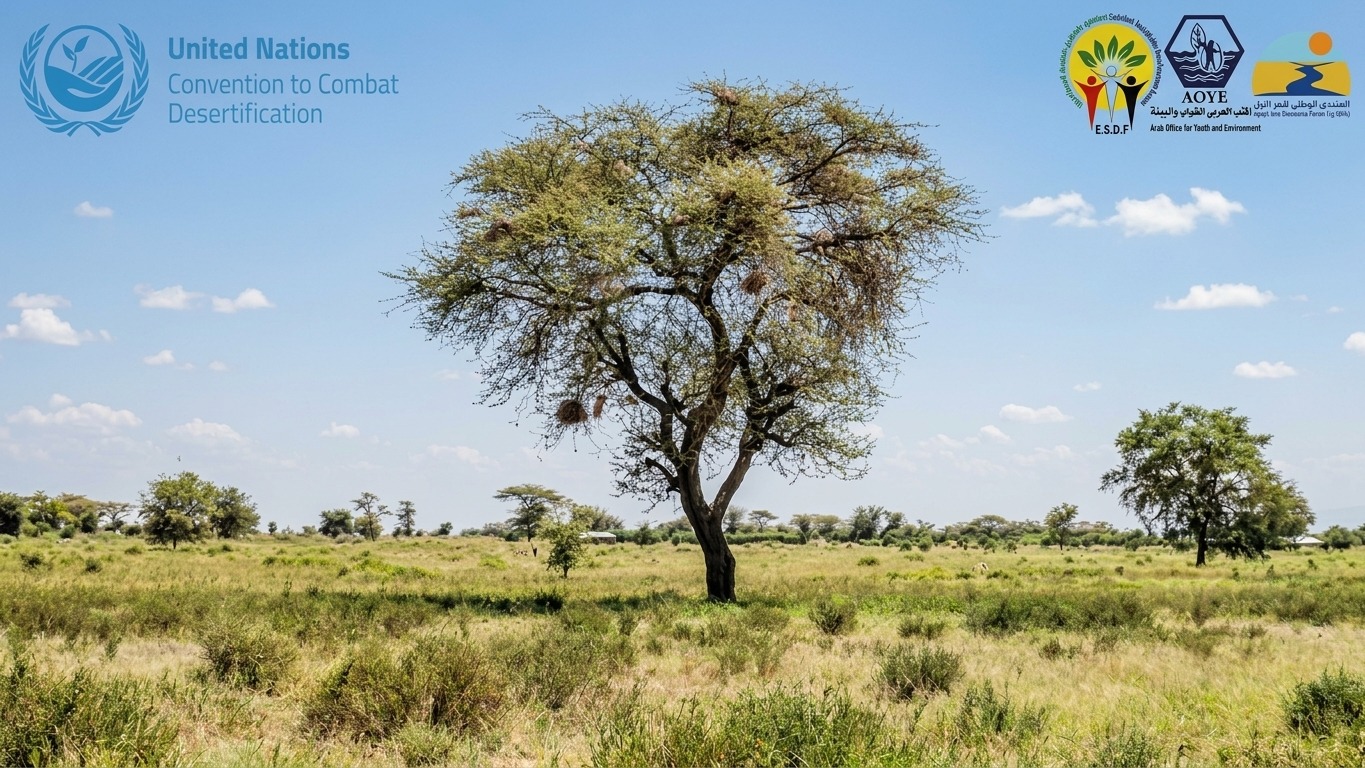
In a step reflecting the growing presence of Egyptian civil society within the international environmental arena, three Egyptian organizations, the Arab Office for Youth and Environment (AOYE), the Egyptian Sustainable Development Forum (ESDF), and the National Nile Forum, have been granted observer status under the United Nations Convention to Combat Desertification (UNCCD).
The accreditation provides the three organizations with a broader formal platform to follow the work of the Conference of the Parties (COP) and its subsidiary bodies, and to contribute to international discussions on desertification, land degradation and drought.
The accreditation decisions followed the 17th session of the Conference of the Parties to the United Nations Convention to Combat Desertification (COP17), held in Ulaanbaatar, Mongolia, in August 2026, which witnessed broad participation by civil society organizations in the Convention’s official proceedings and side events.
Under their new status, AOYE, ESDF and the National Nile Forum are formally invited to attend sessions of the Conference of the Parties and its subsidiary bodies within the framework designated for accredited civil society organizations. This strengthens their ability to follow international negotiations and discussions related to desertification, land degradation and drought.
In the accreditation letters received by the three organizations, Marcos Montoiro, External Relations Officer at the UNCCD Secretariat, explained that observer status applies to all sessions of the Conference of the Parties as well as to the Convention’s subsidiary bodies.
The accreditation extends beyond procedural participation. The UNCCD Secretariat stated that the recognition of the organizations provides a basis for continued cooperation with them and their representatives, expressing its expectation of “productive and fruitful” collaboration in the period ahead.
This institutional engagement comes amid the important role played by civil society organizations in supporting the implementation of the UNCCD’s objectives and strengthening links between the international system and organizations working at national, regional and local levels.
The Secretariat also confirmed that the observer status granted to the three organizations remains valid for all future sessions of the Conference of the Parties and its subsidiary bodies and is not limited to participation in a specific session. In return, each organization is required to notify the Secretariat of any changes affecting the organization or its activities related to the Convention process and to keep relevant information regularly updated.
The UNCCD Secretariat also specified the wording that the three organizations may use in their official documents to describe their new status: “Civil Society Organization accredited to the Conference of the Parties to the United Nations Convention to Combat Desertification.”
Regarding the Convention’s visual identity, the Secretariat stressed that the UNCCD logo may not be used on correspondence or publications describing the organization. Accredited organizations may, however, submit a separate request to use the logo for a specific event or activity, provided that the intended purpose of its use is clearly stated.
The Secretariat also directed the accredited organizations to the civil society section of the UNCCD website as a source of updated information on civil society organizations engaged in the Convention process.
The UNCCD Secretariat concluded its letters by congratulating the three Egyptian organizations on their accreditation and expressing its expectation of fruitful cooperation in the coming period.
Observer status adds a new dimension to the organizations’ presence within the international environmental framework, providing them with a formal opportunity to follow the work of the Conference of the Parties and its subsidiary bodies and to strengthen engagement with institutions and organizations involved in global efforts to combat desertification, land degradation and drought.