WES-BCA Project Calls for Integrating Nature-Based Solutions into Jordan’s Legal Frameworks
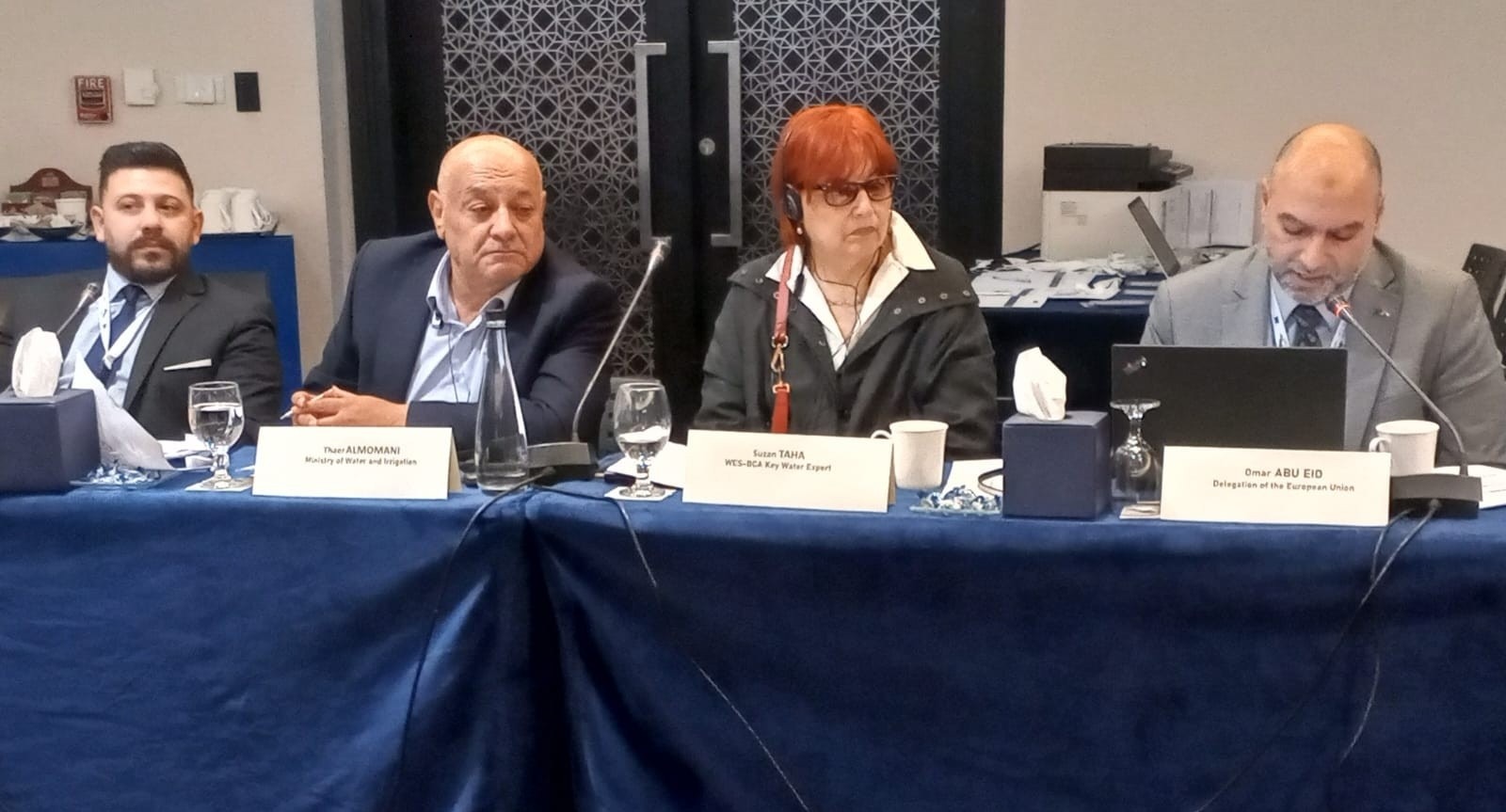
As part of efforts to strengthen the sustainable management of water resources in Jordan, the Water and Environment Support – Biodiversity and Climate Action (WES-BCA) Project organized a roundtable in Amman to discuss ways to integrate water-related nature-based solutions into national legal and regulatory frameworks. The initiative aims to help address water scarcity challenges and enhance resilience to climate change.
The roundtable, held on 24 June 2026, followed an introductory online meeting entitled “Recommendations for Establishing Supportive Systems for the Implementation of Water-Related Nature-Based Solutions in Jordan.” It aimed to build consensus among members of the Technical and Legal Committee, which includes representatives from the Ministries of Environment, Agriculture, and Local Administration, as well as a number of relevant national institutions.
The meeting served as a platform for dialogue and consultation among experts and representatives of the concerned government entities. Participants reviewed and discussed the draft analytical report on the legal, regulatory, and institutional frameworks related to nature-based solutions in Jordan, with a focus on three key sectors: water resources management, land use and spatial planning, and environmental protection and biodiversity conservation.
Prepared by the project’s water experts, the report was based on a comprehensive review of relevant legislation and institutions. It included a mapping of legal frameworks and institutional mandates, an analysis of regulatory gaps and overlaps among different entities, and the identification of challenges and constraints that may hinder the integration of nature-based solutions into current policies and regulations. The report also identified a set of “legal entry points” that could provide a basis for incorporating these solutions into national regulatory frameworks, thereby enabling the development of more integrated and effective policies for water resources management and ecosystem protection.
The roundtable featured extensive discussions among representatives of the water, environment, agriculture, urban planning, and land-use sectors. The open dialogue enabled participants to exchange technical and legal expertise and perspectives on the best ways to strengthen the presence of nature-based solutions in national legislation. The discussions focused in particular on prioritizing the proposed legal instruments and reviewing the list of legislative tools that could be developed or amended during the next phase of the project, in order to create a more supportive regulatory environment for the implementation of water-related nature-based solutions.
The outcomes of this consultative process are expected to contribute to the preparation of a targeted package of recommendations, including proposals for financial and non-financial incentives to encourage the application of these solutions. They will also support the development of an implementation roadmap outlining the practical actions and enabling measures required during the next phase of the project.
This approach comes amid growing global and regional interest in nature-based solutions as effective tools for addressing water- and climate-related challenges. These solutions rely on the use of natural systems and ecological processes to enhance the efficiency of water resources management, restore ecosystems, and protect biodiversity.
Nature-based solutions contribute to stormwater management, groundwater recharge, erosion reduction, wetland restoration, and the conservation of soil and water resources. This makes them an important complement to conventional infrastructure, particularly in semi-arid environments such as Jordan, where limited water resources are under increasing pressure. Experts emphasize that strengthening the capacity of natural systems to retain water, increase infiltration rates, and support efficient reuse is a national priority for Jordan, given the growing challenges associated with population growth, climate change, and water scarcity.
The Water and Environment Support – Biodiversity and Climate Action (WES-BCA) Project is a regional initiative aimed at supporting the green transition in the Southern Neighbourhood countries of the European Union. It is being implemented in the Middle East and North Africa region over a three-year period, from November 2024 to November 2027, through the European Commission and the Directorate-General for Neighbourhood and Enlargement Negotiations, with the participation of the Arab Network for Environment and Development (RAED) and a number of specialized regional and international organizations.