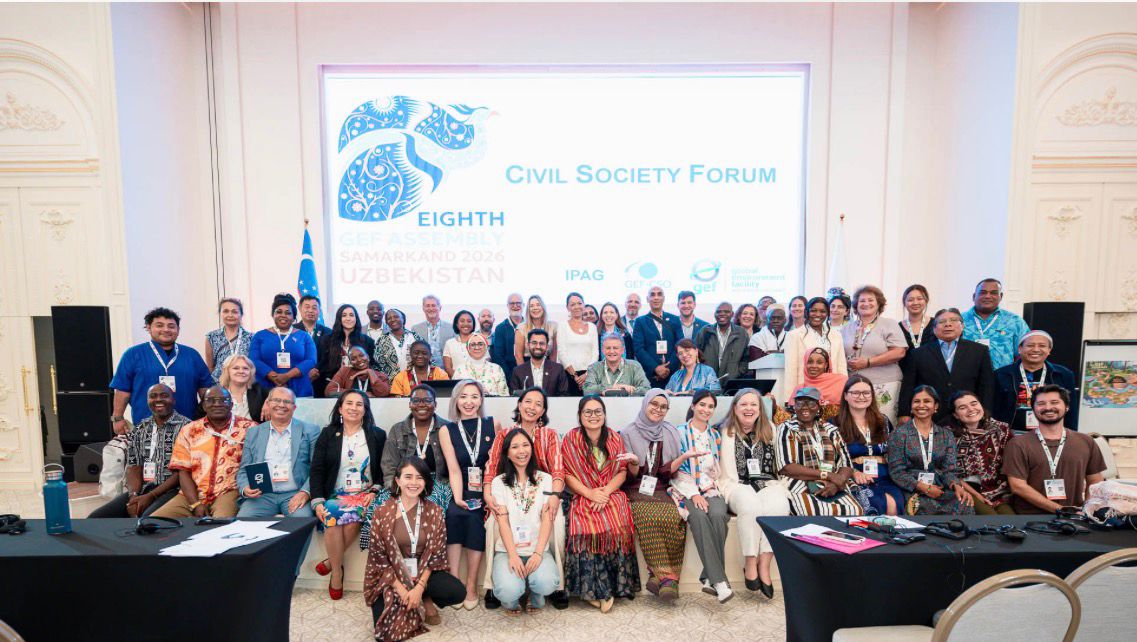
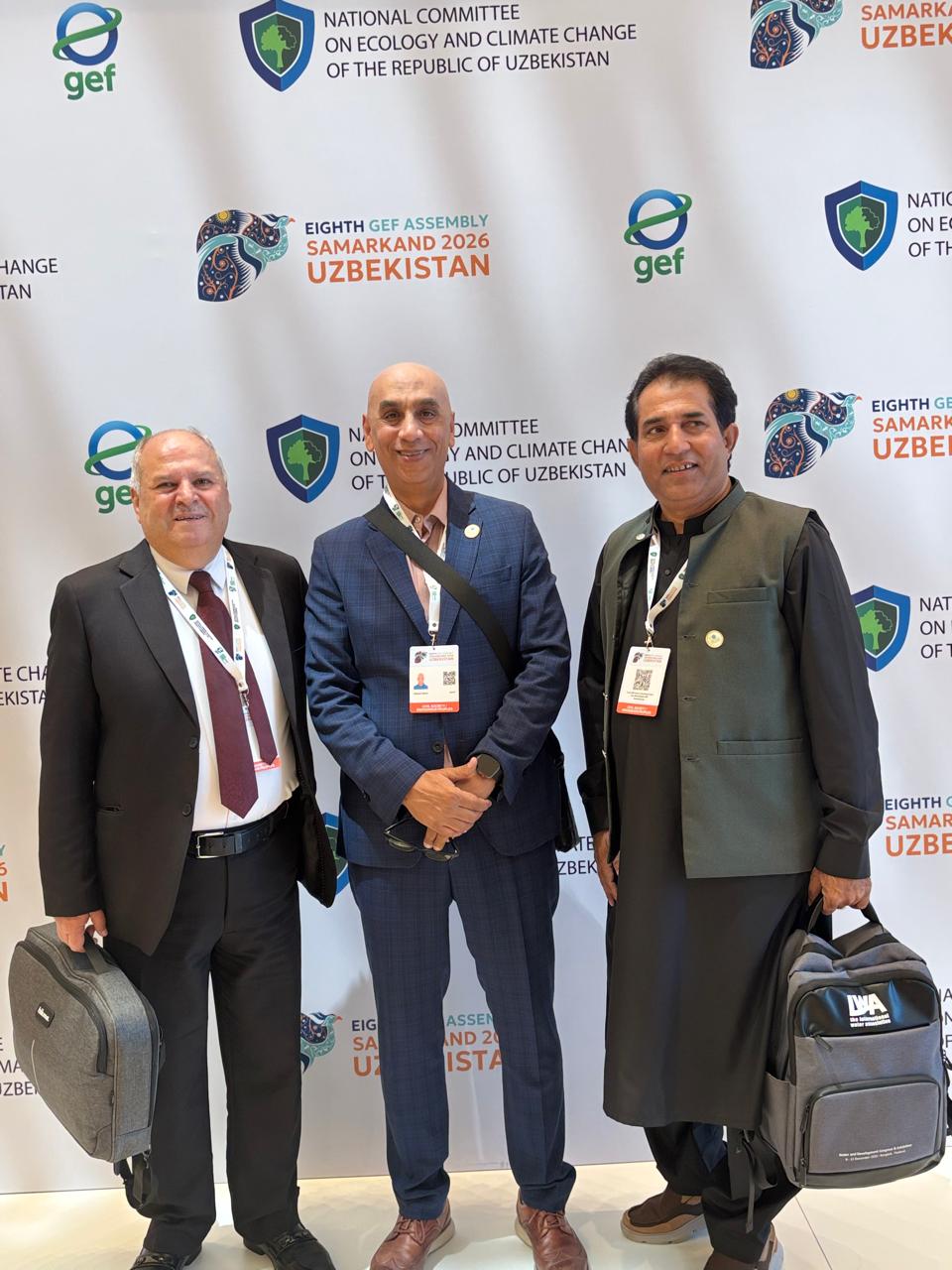
In a major international gathering held in the historic city of Samarkand, more than 2,000 participants representing the Global Environment Facility (GEF) partnership came together in an atmosphere marked by ambition and realism to welcome the ninth replenishment of the Facility’s resources (#GEF9), amounting to a substantial USD 3.9 billion. This financing is set to serve as the driving force behind the launch of a “sprint” towards achieving the global environmental goals for 2030.
The event brought together delegations from 186 countries, who engaged in roundtable discussions and intensive workshops to define priorities for action over the next four years. These priorities focused on strengthening integration, blended finance, and adopting a “whole-of-government and whole-of-society” approach, with particular emphasis on increasing support for least developed countries, small island developing states, Indigenous Peoples, and local communities.
During the high-level deliberations, participants emphasized that, despite the scale and complexity of environmental challenges, investment in the protection and restoration of nature directly contributes to building healthier and more resilient economies and ecosystems.
In an inspiring address before the Eighth Assembly, Claude Gascon, GEF Interim CEO, stated: “A healthy planet is what makes lasting sustainable development possible.” Gascon issued an urgent call for collective action, noting that “the final sprint towards 2030 has already begun,” and called for urgent and purposeful action for people, the planet, and future generations.
Gascon also commended the Government of Uzbekistan not only for its generous hosting of this landmark gathering, but also for its strategic decision to become a donor country to the Global Environment Facility, thereby strengthening the momentum of international environmental action in the upcoming cycle.
The Samarkand meeting represents a critical turning point in international environmental finance, as global efforts unite to ensure the sustainability of natural resources and address climate change, securing a safe future for the generations that will judge the decisions taken at this historic moment.