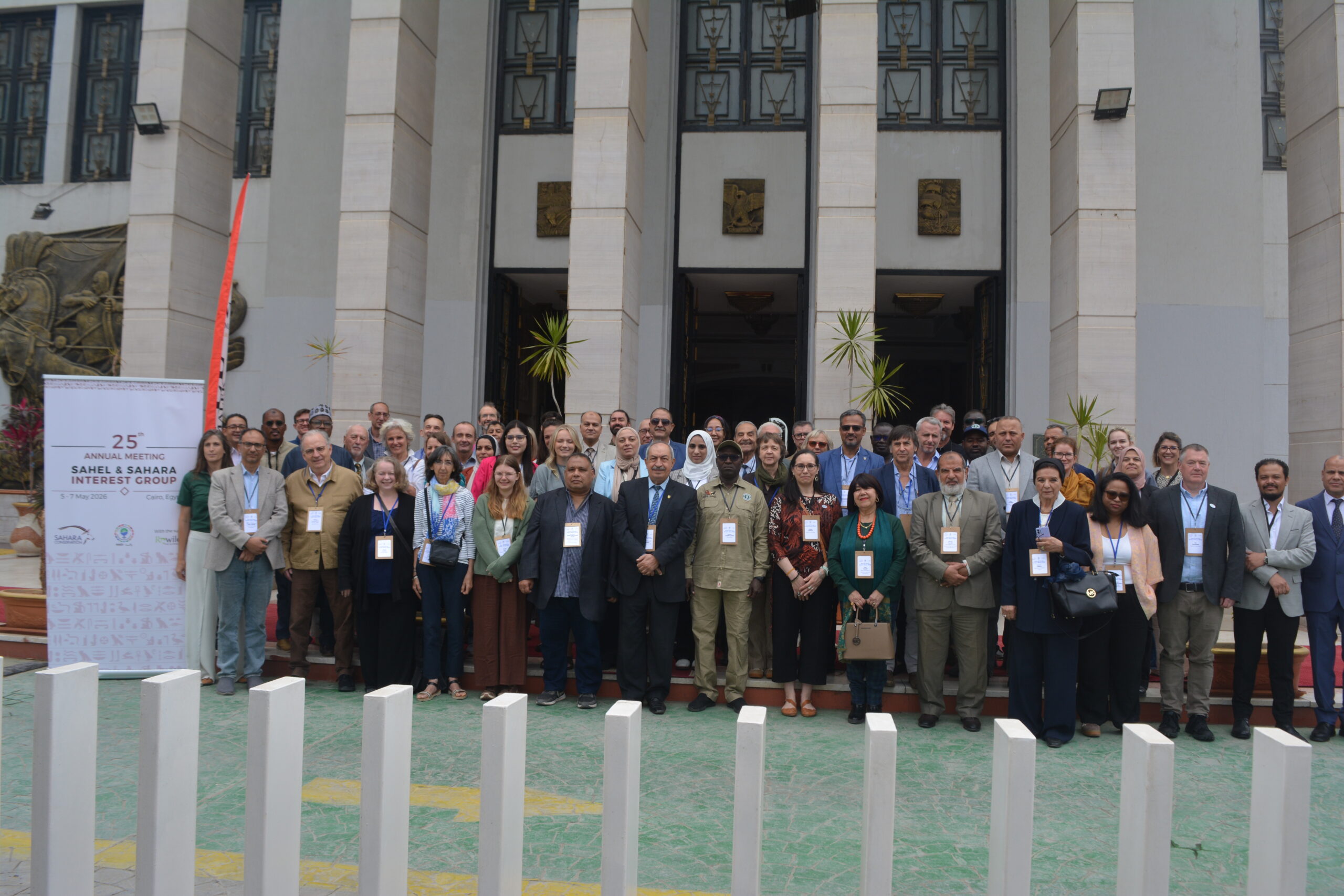
The Sahel and Sahara Interest Group Annual Meeting Concludes for the First Time in Cairo
RAED: Broad international participation to discuss ecosystem sustainability and species restoration in preparation for the “Desertification Summit”
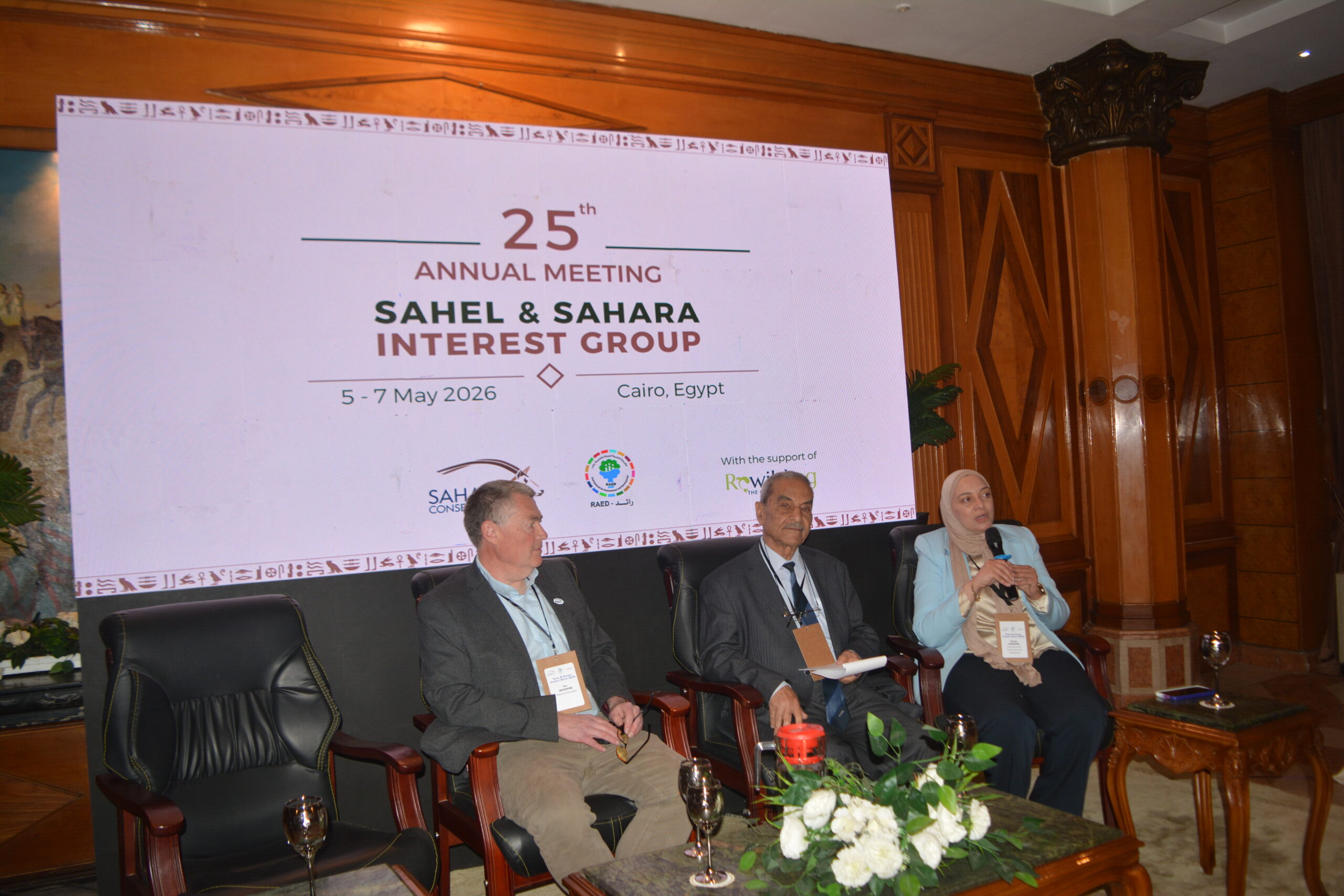
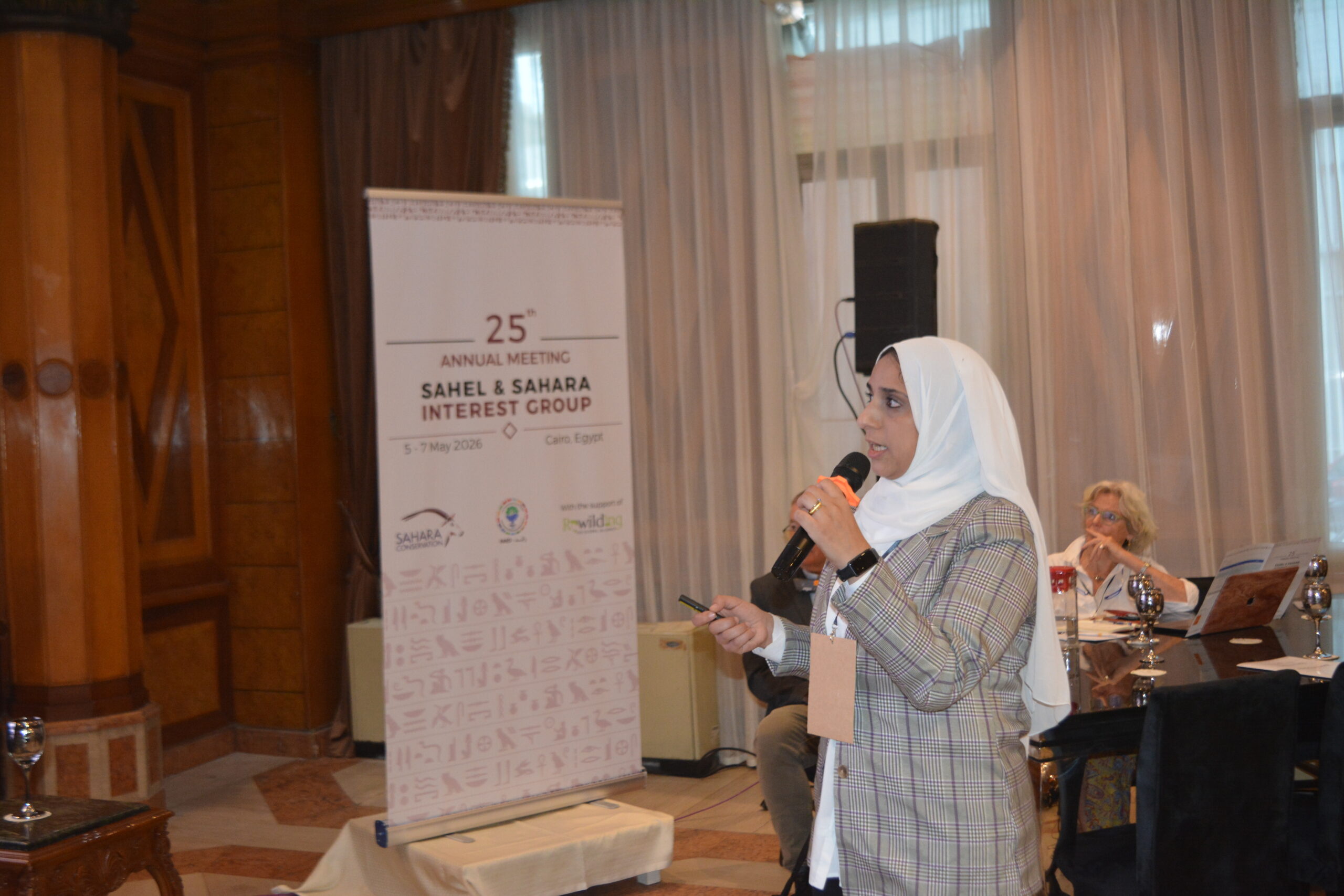
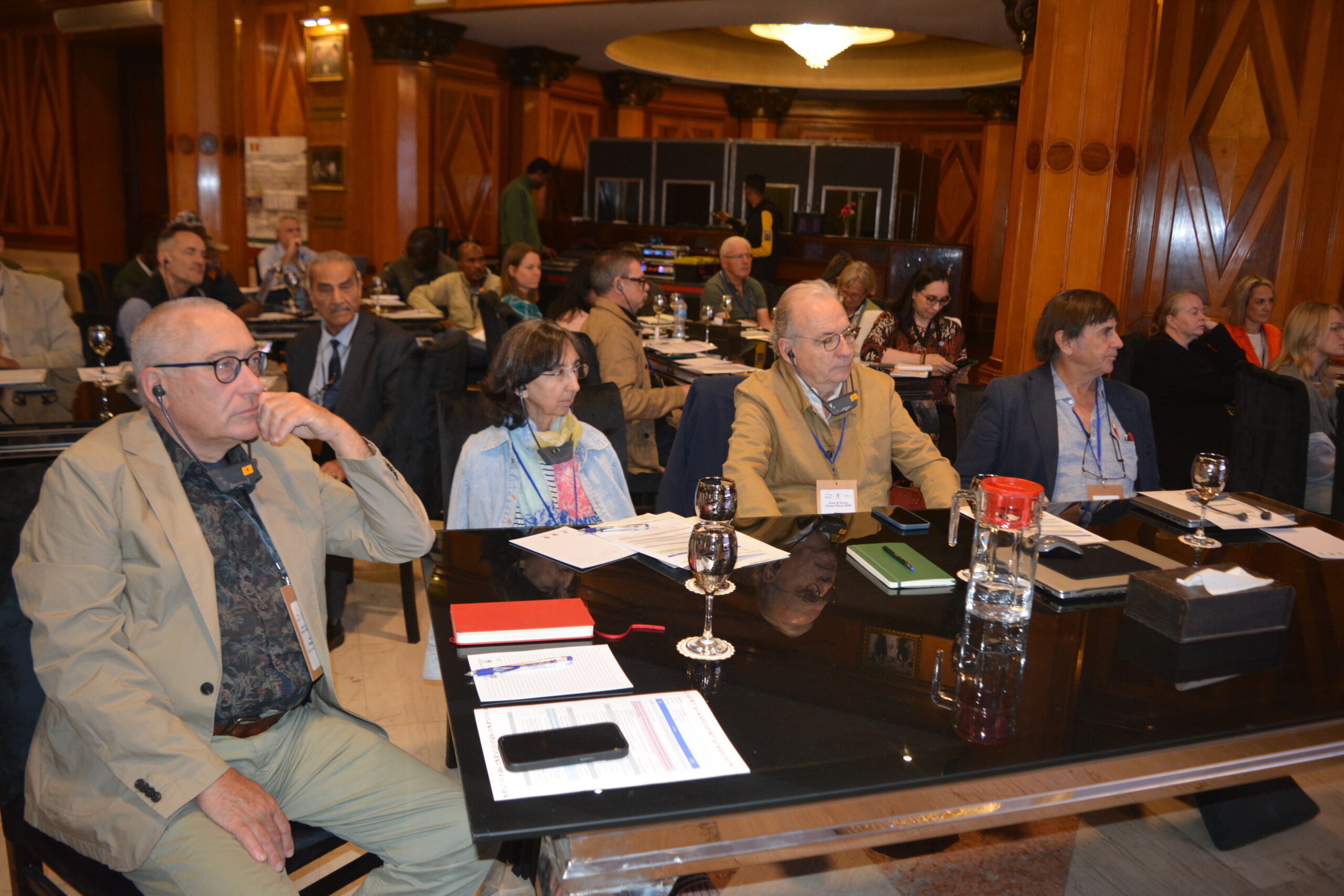
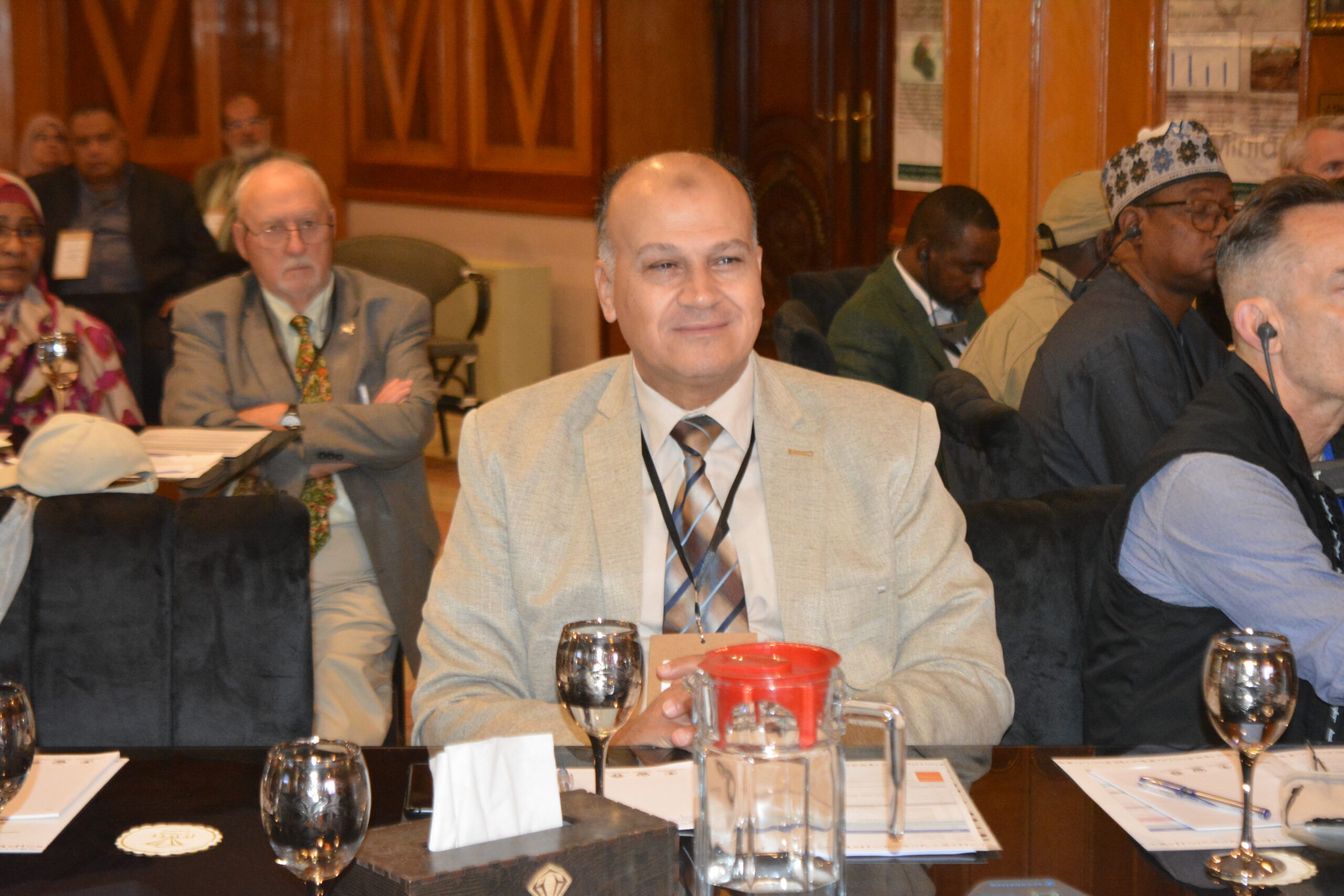
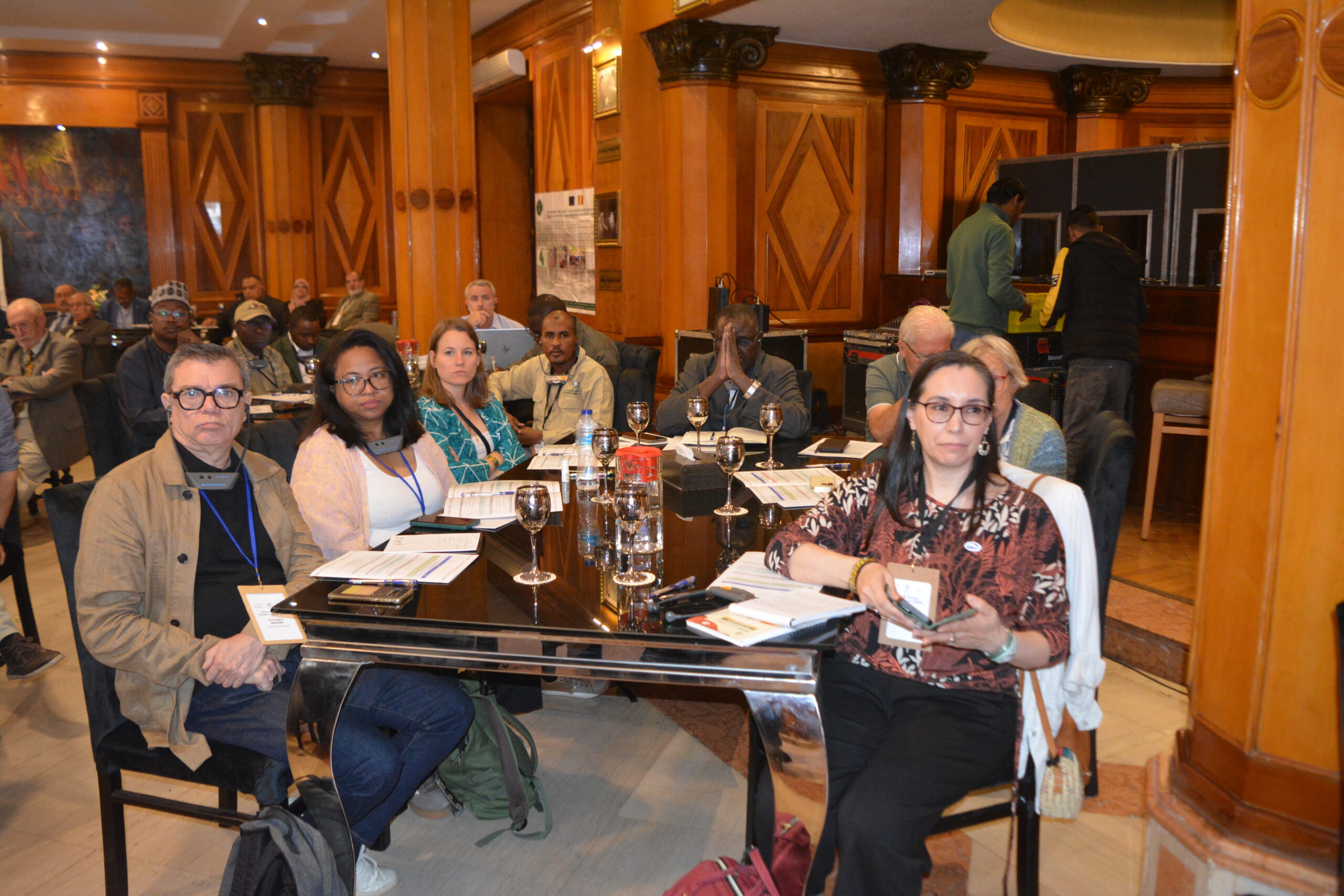
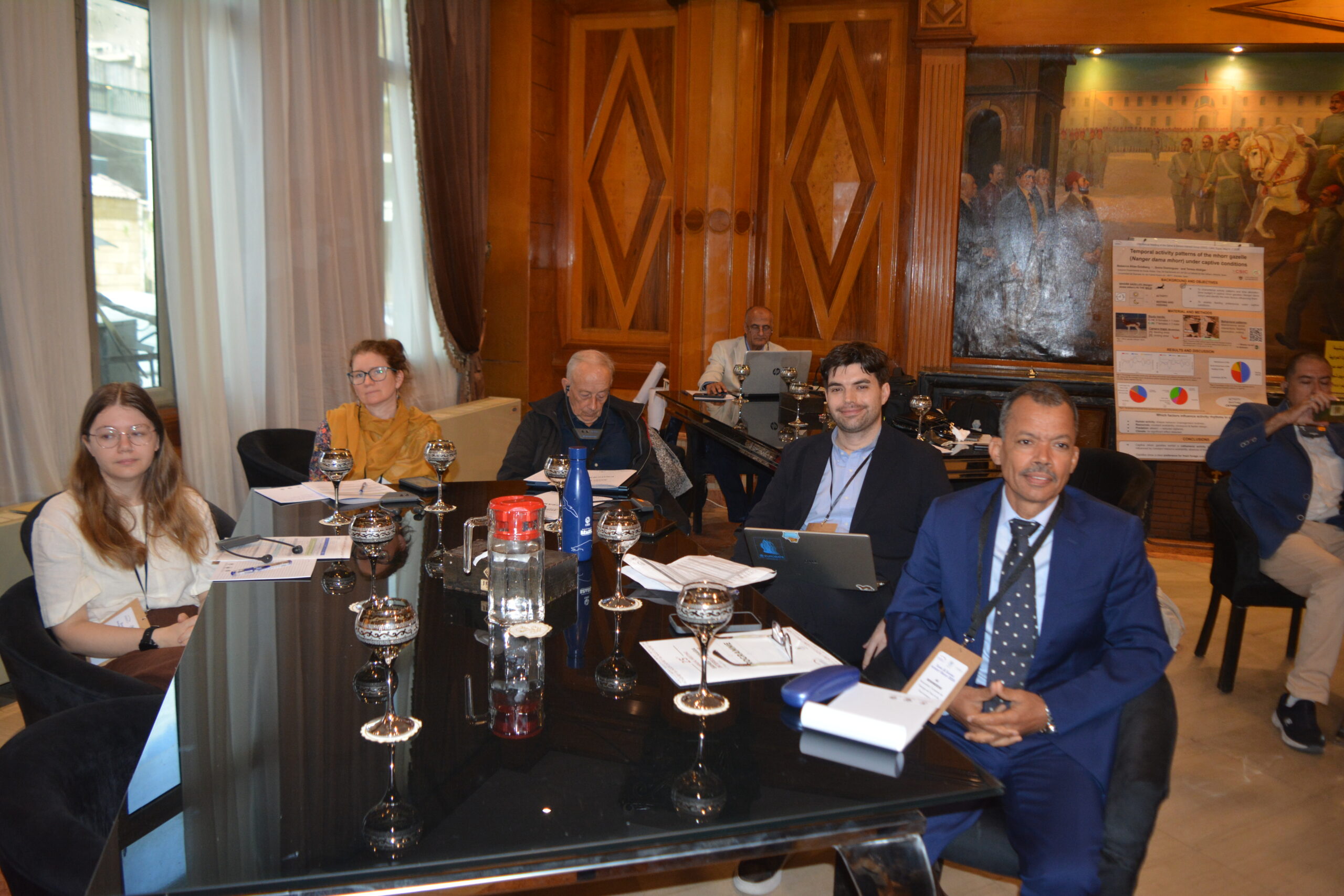
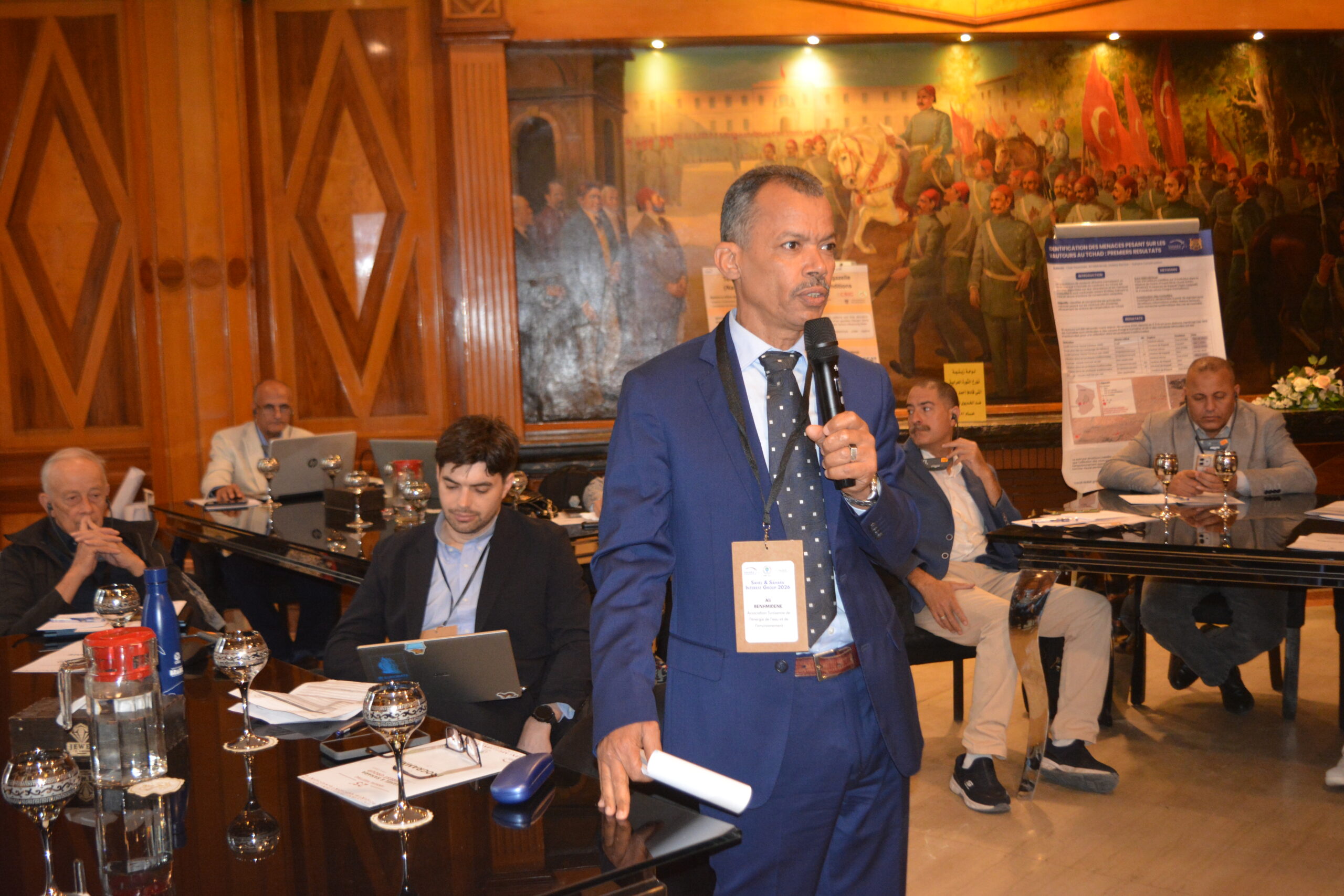
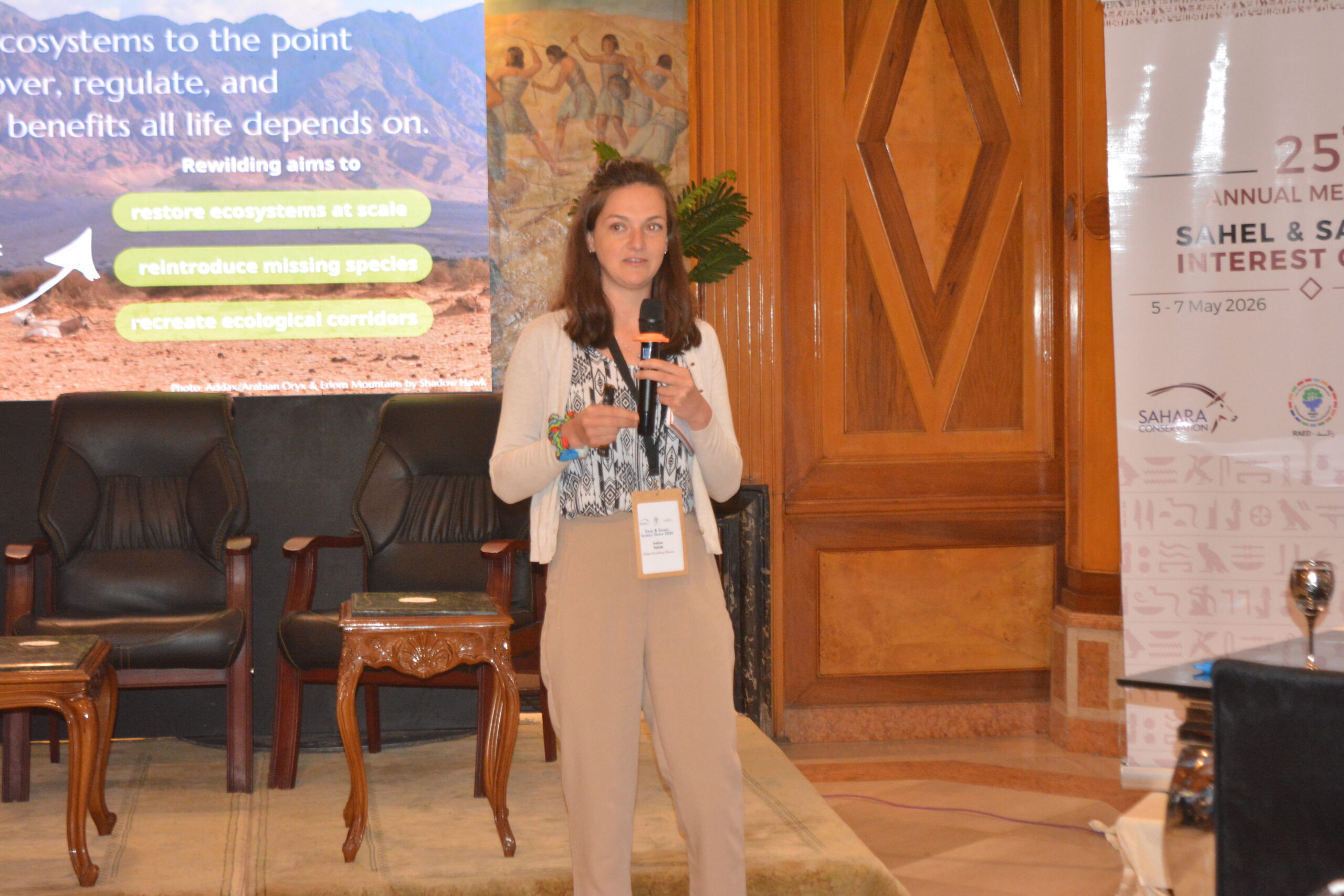
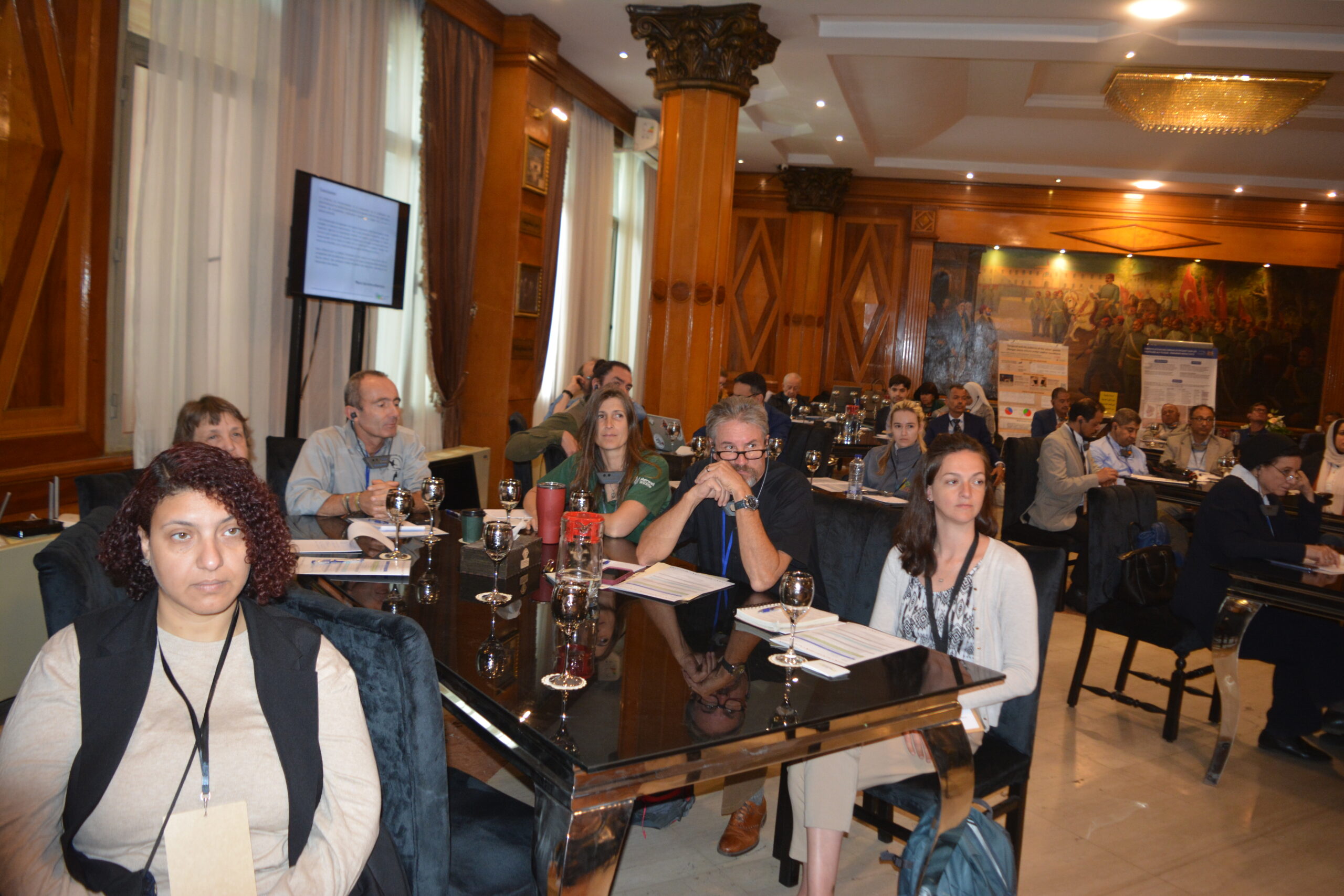
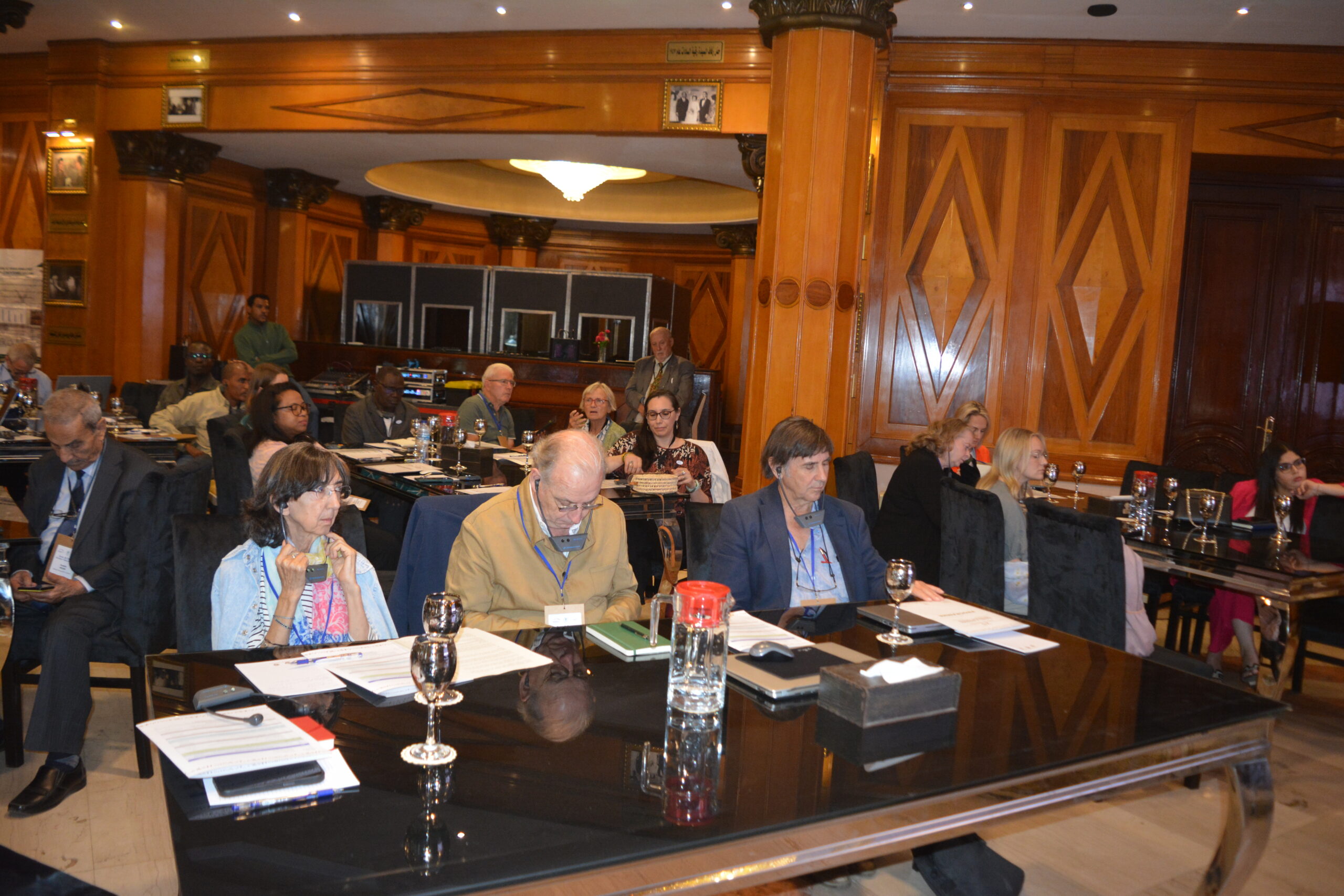
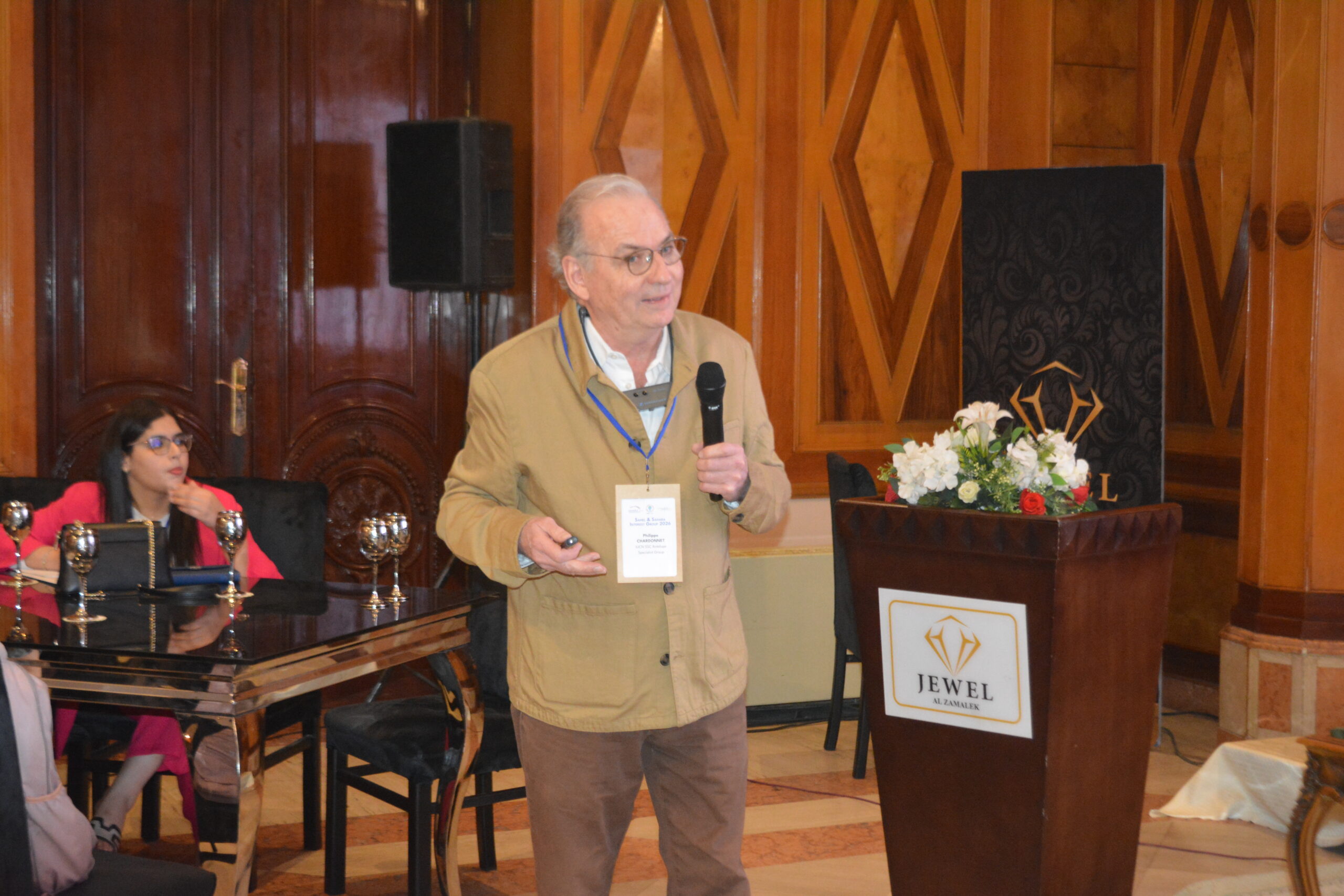
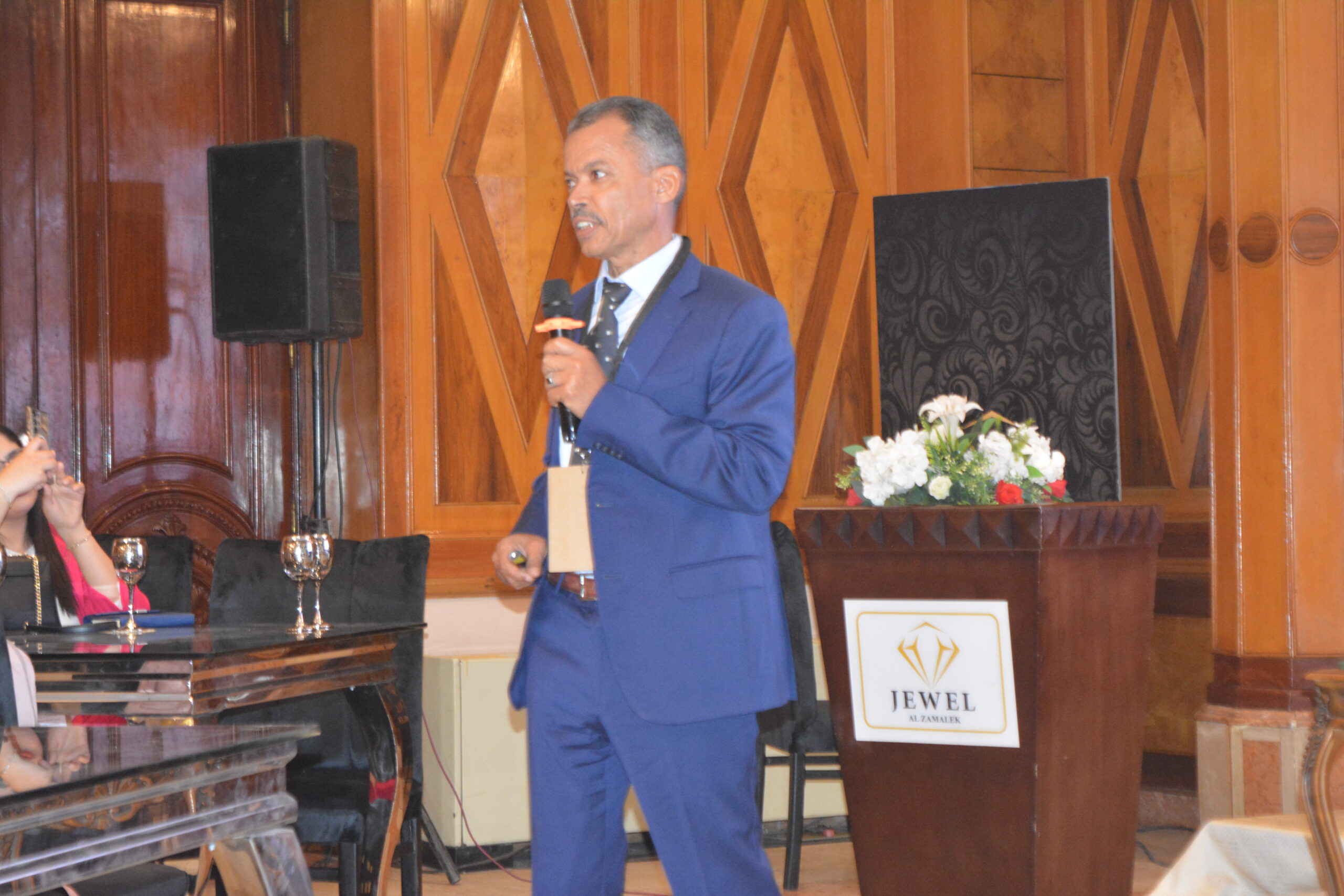
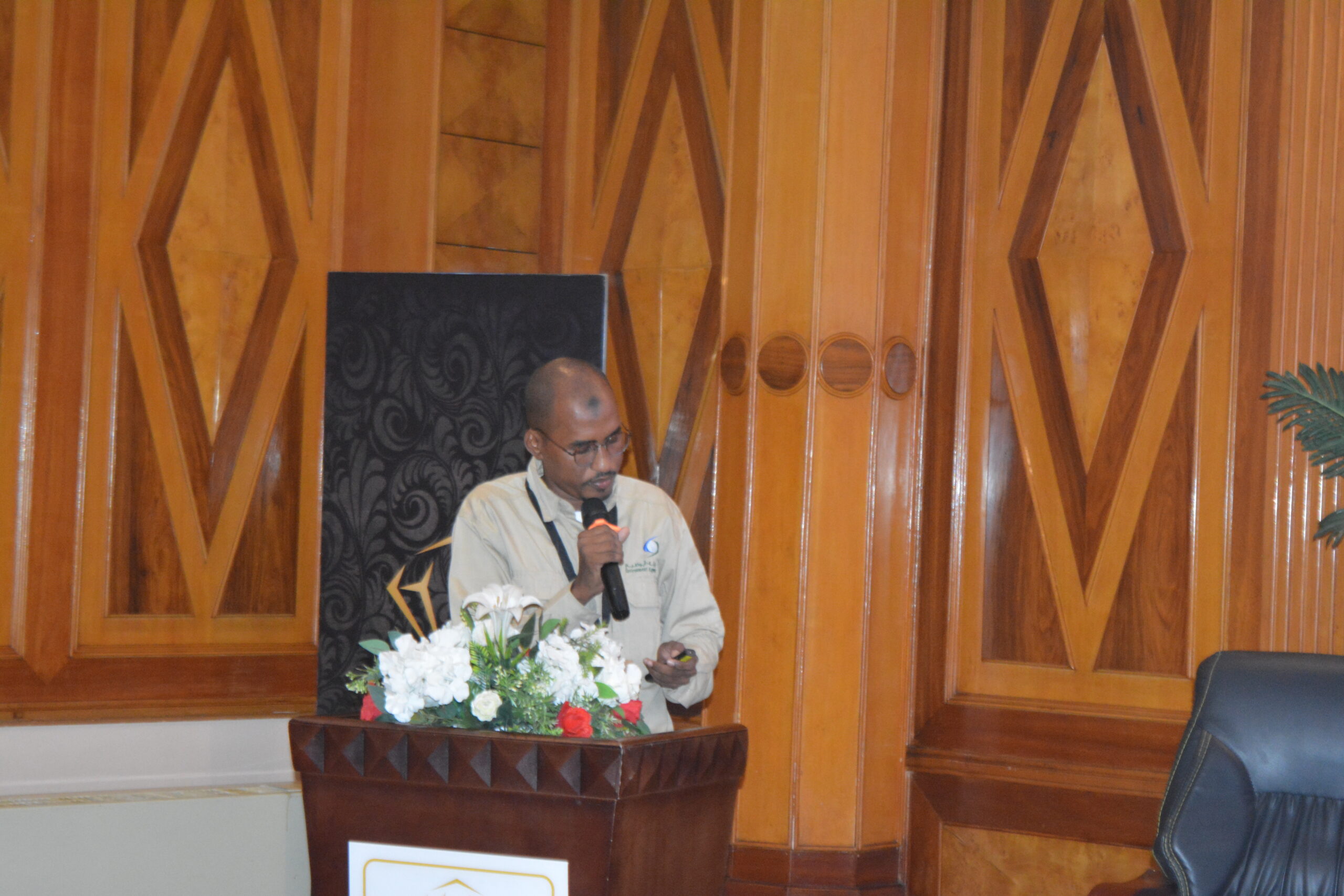
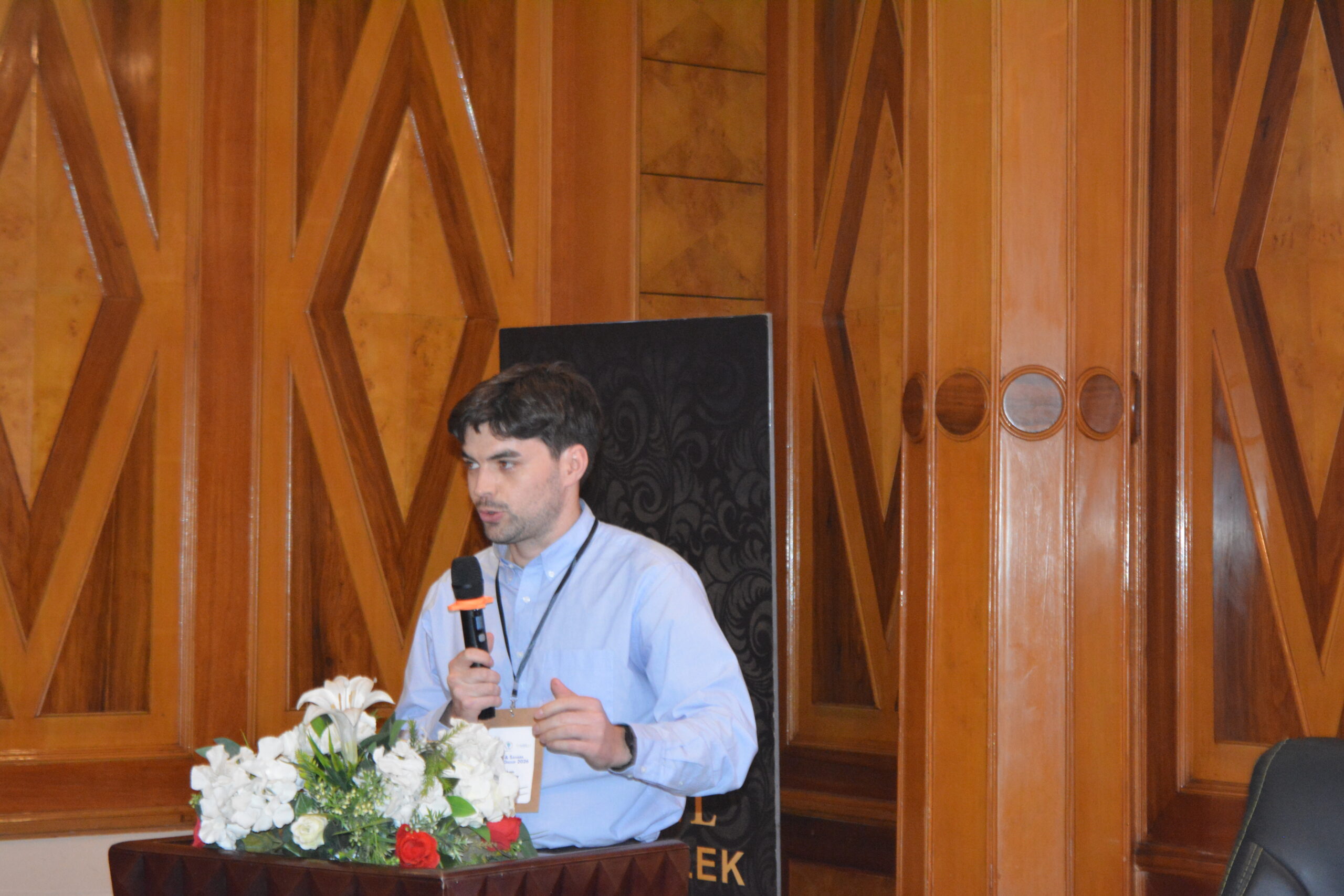
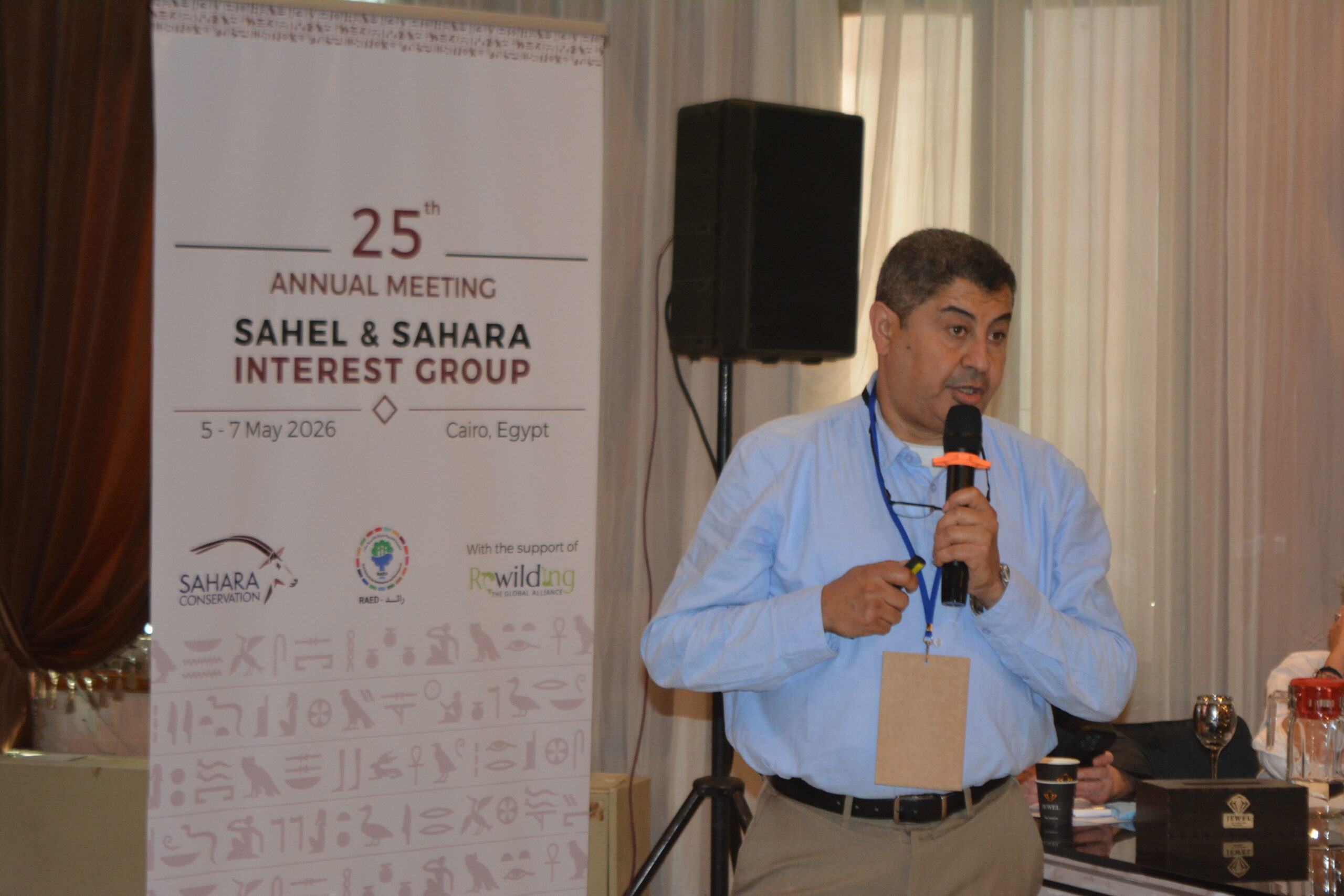
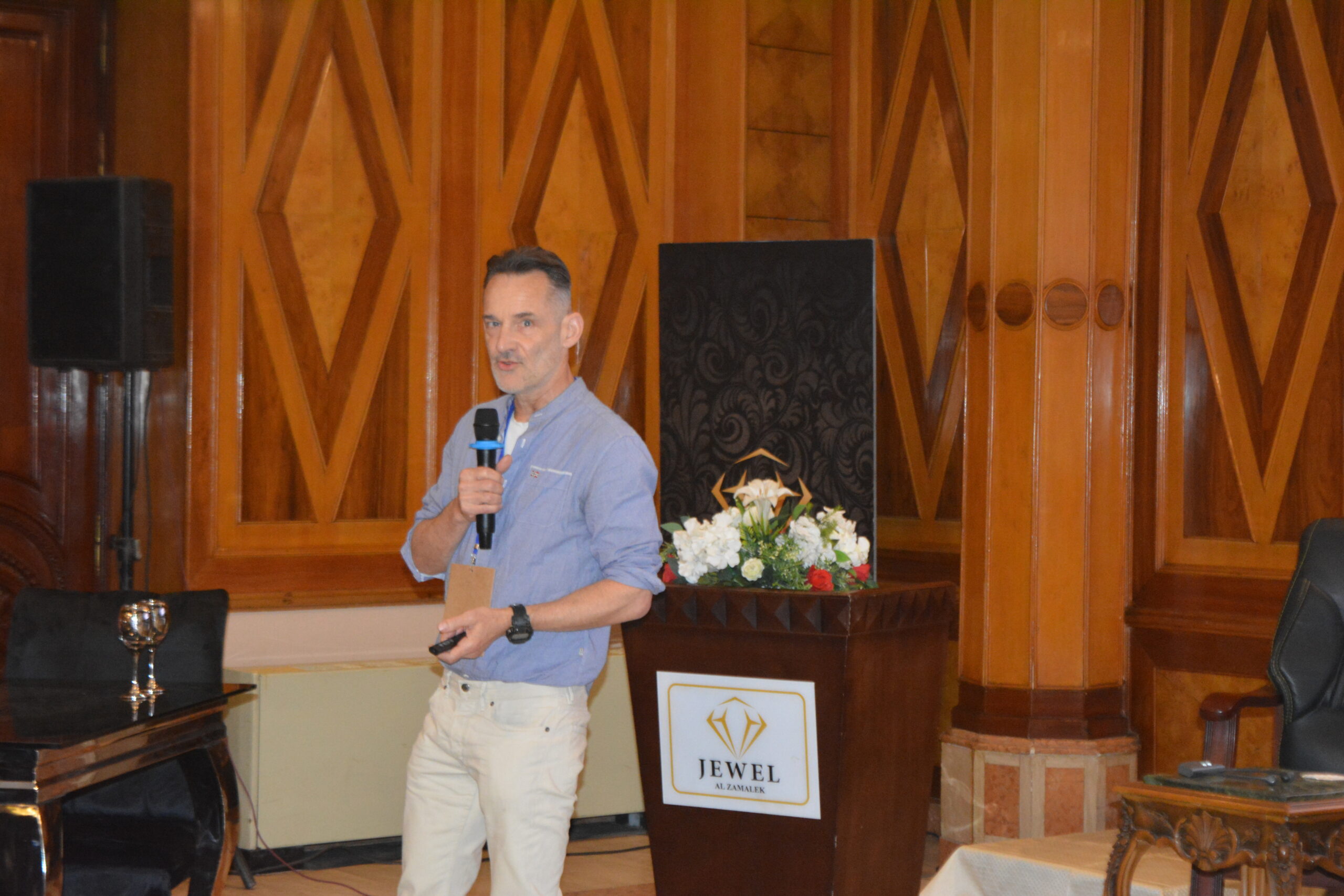
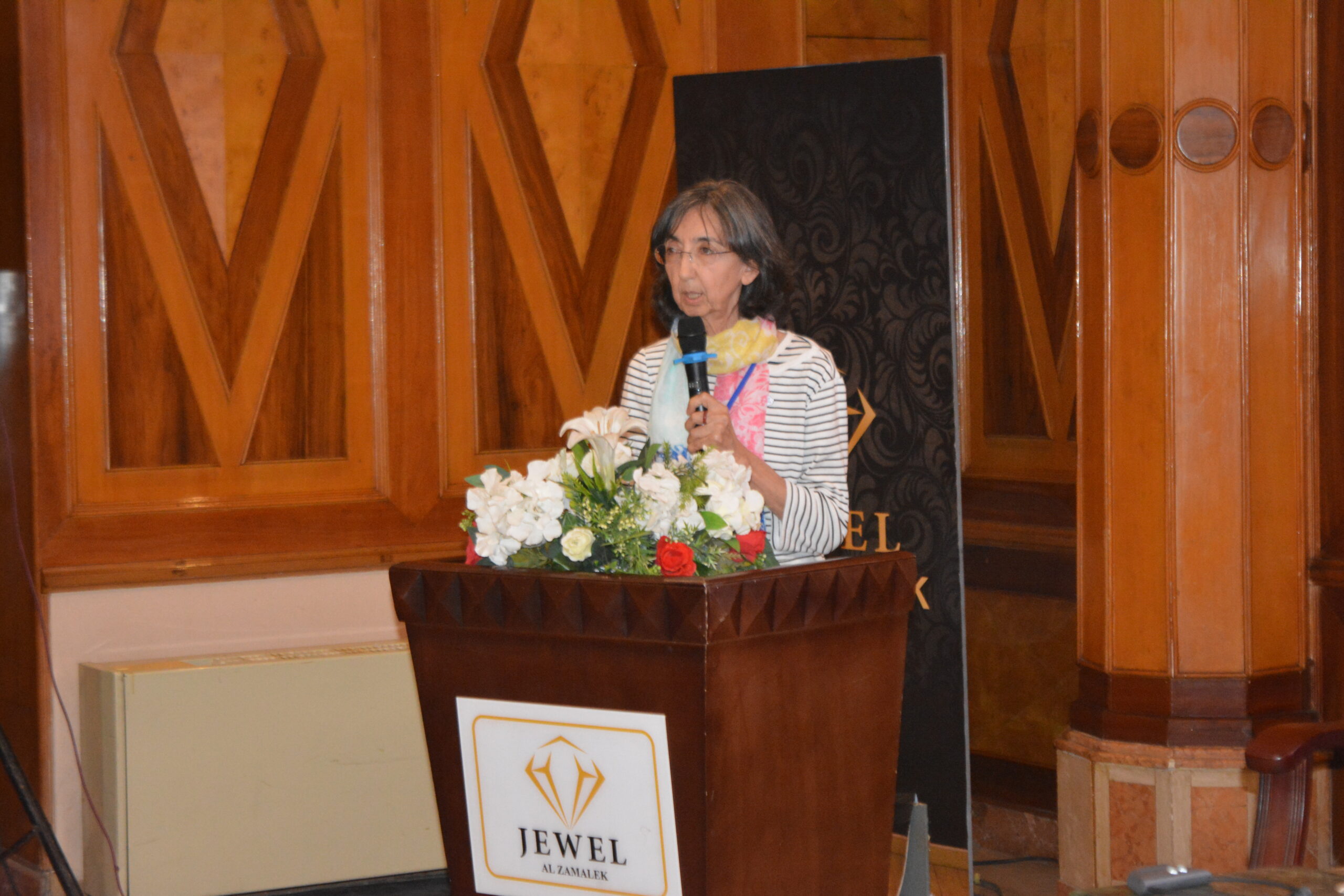
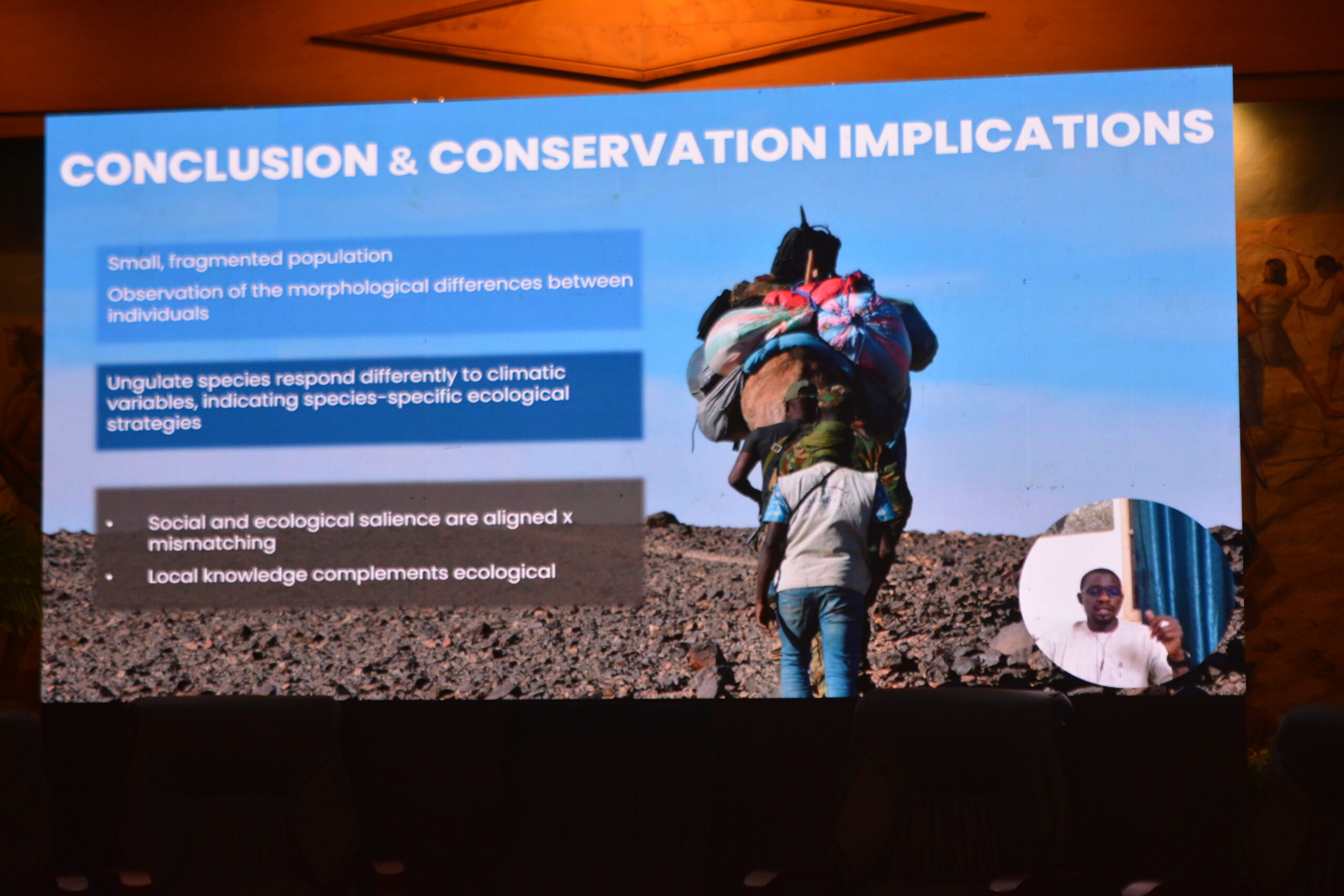
Over three days, the Arab Network for Environment and Development (RAED), in cooperation with Sahara Conservation, organized the 26th Annual Meeting of the Sahel and Sahara Interest Group. The meeting was held in Cairo for the first time from 5 to 7 May 2026, with broad international participation, as part of preparations for the 17th Conference of the Parties to the United Nations Convention to Combat Desertification (UNCCD COP17), scheduled to take place in Mongolia under the theme “Restore Land, Restore Hope.”
RAED stated that hosting this international event in Cairo reflects the growing Egyptian and regional presence in global environmental issues, particularly in light of the accelerating challenges facing the Sahel and Sahara countries, foremost among them land degradation, biodiversity loss, the worsening impacts of climate change, and increasing pressure on natural resources and the livelihoods of local communities.
The Annual Meeting of the Sahel and Sahara Interest Group was held at a particularly important time, coinciding with international efforts to support the International Year of Rangelands and Pastoralists, given the strategic importance of rangelands, which cover nearly half of the world’s land surface, serve as a fundamental pillar of biodiversity, and provide a major source of livelihood for millions of people.
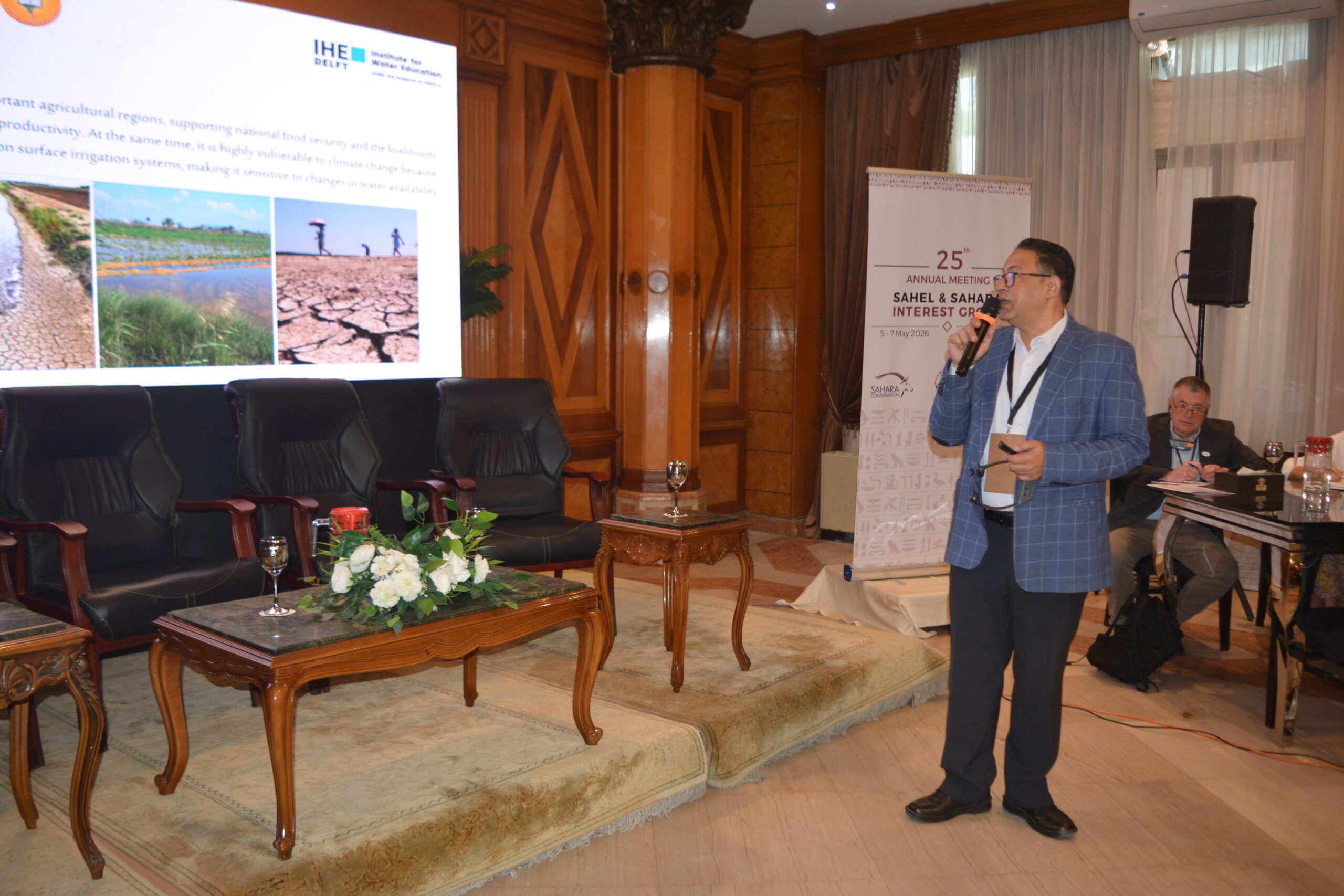
The first day’s programme included a welcoming session, during which the objectives and main themes of the meeting were presented. This was followed by a working paper on RAED’s role in supporting regional environmental action. Subsequent sessions addressed the impacts of climate change in the Delta region and mechanisms to strengthen the adaptive capacity of local communities through a participatory approach.
Participants also discussed the concept of “species reintroduction” as one of the nature-based solutions, in addition to presenting field experiences in ecosystem management in pastoral environments, particularly in countries such as Chad. The discussions highlighted the challenges associated with balancing human activities with the protection of protected areas.
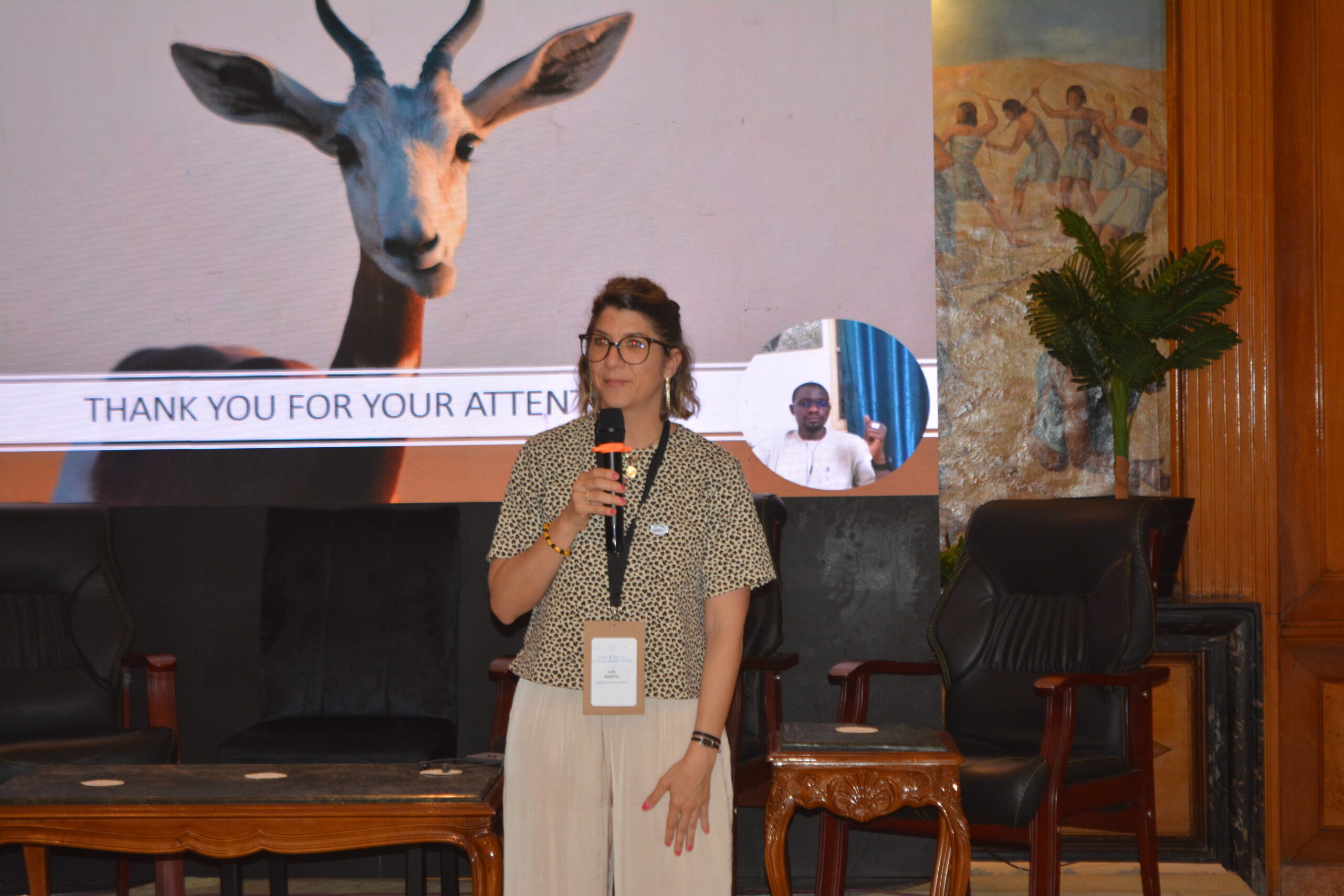
Under the theme of “species restoration,” the sessions focused on programmes for the reintroduction of endangered species, such as the scimitar-horned oryx and the dama gazelle, as well as initiatives to conserve large desert species. The sessions also reviewed the findings of recent field studies on the status of certain species in Egypt, including the Wadi El Gemal gazelle.
The first day concluded with a cultural evening that reflected the richness and diversity of the cultures of the Sahel and Sahara countries and contributed to strengthening communication among participants beyond the formal setting.
The second day featured several sessions focusing on the theme of “ecosystem sustainability.” Participants discussed international models and experiences in protected area management and ways to balance development needs with the conservation of natural resources. The working papers presented also addressed sustainable tourism development plans in South Sinai, protected area management experiences in several African countries, and key issues including wildfire control, water resource management in arid environments, and the expansion of nature-based solutions supported by financing mechanisms such as carbon markets.
The sessions also reviewed topics related to the development of natural rangelands to combat desertification, the potential use of halophytes in degraded lands, and the risks posed by sand and dust storms in North Africa and the Arab region.
Within the theme of “species restoration,” a series of working papers were presented on conservation programmes for threatened species, including the northern giraffe, as well as challenges related to zoonotic diseases within the “One Health” approach.
The third and final day of the meeting included several sessions that continued the discussions on species restoration. Recent research findings were presented on tracking desert birds using advanced technologies, alongside studies on the status of rare species in Egypt, such as the white-headed vulture. The sessions also addressed efforts to reintroduce ostriches in North Africa and initiatives to protect the crowned crane, as examples of regional cooperation in biodiversity conservation.
The closing session presented the key recommendations that could contribute to supporting international efforts to combat desertification, enhance ecosystem restoration, and advance cooperation among governments, international and regional organizations, and local communities.
The Sahel and Sahara Interest Group meeting represents an important international platform for exchanging expertise and best practices. It also enhances opportunities to build effective partnerships that support the achievement of the Sustainable Development Goals, particularly those related to the protection of terrestrial ecosystems and the sound management of natural resources.
Holding the conference in Cairo underscores the importance of strengthening joint cooperation at all regional and international levels to address shared environmental challenges. It also supports international efforts to restore degraded lands, achieve a balance between development needs and environmental conservation, and move towards a more sustainable future.