National Workshop by RAED and the Water and Environment Support Project
Strengthening Communication Between the Media and Civil Society to Address Climate Challenges
Experts and participants in Egypt’s National Workshop on Environmental and Climate Communication, organised by the Arab Network for Environment and Development (RAED), affirmed that the future of environmental journalism depends on its ability to keep pace with technological developments, benefit from artificial intelligence tools, and adopt a solutions journalism approach when addressing environmental issues. Such efforts can contribute to raising public awareness and supporting the state’s work towards achieving the Sustainable Development Goals.
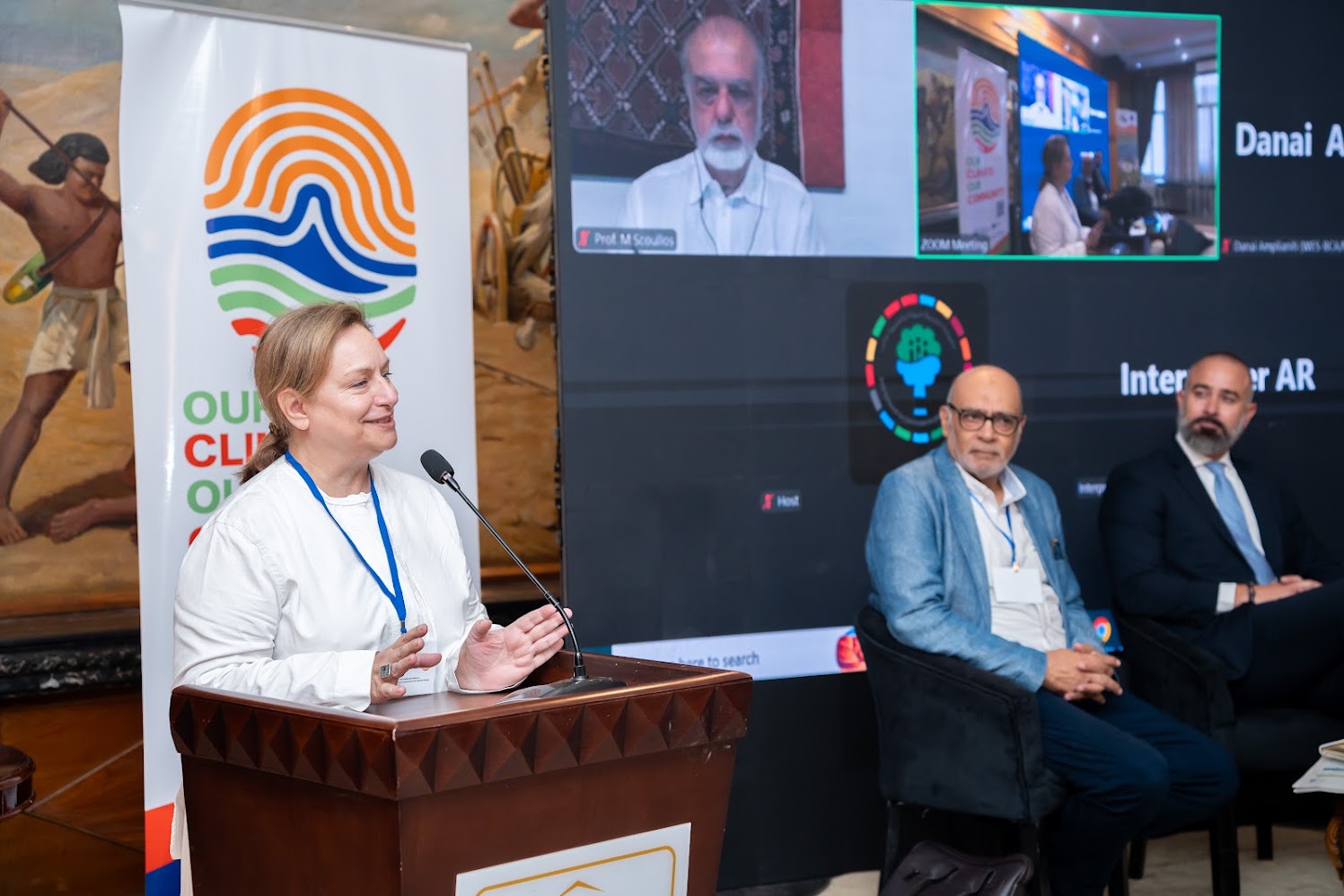
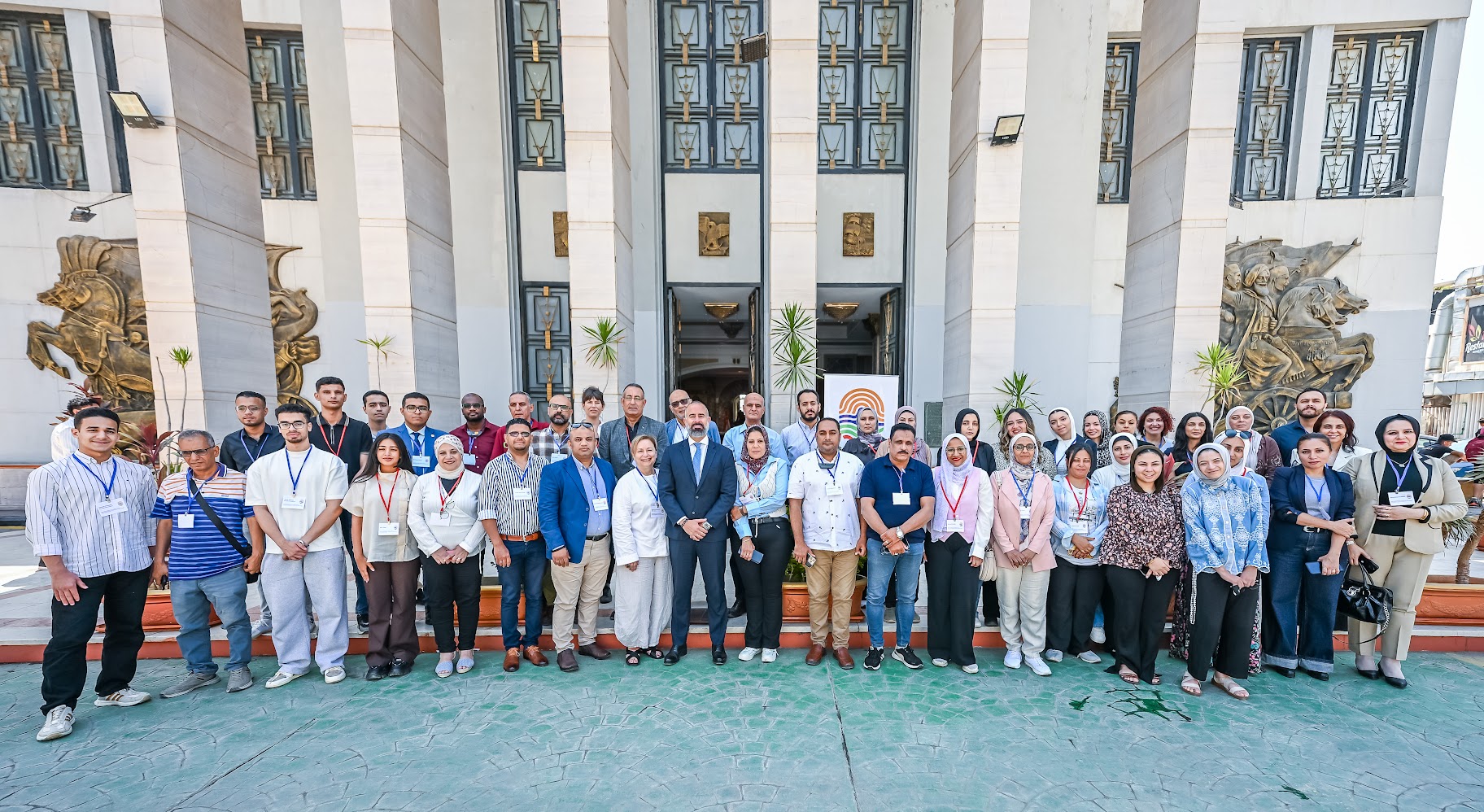
The two-day workshop was held in Cairo under the EU-funded “Water and Environment Support – Biodiversity and Climate Action” project (WES-BCA). It brought together a distinguished group of media professionals, journalists, representatives of civil society organisations, and experts specialising in environmental and media-related fields.
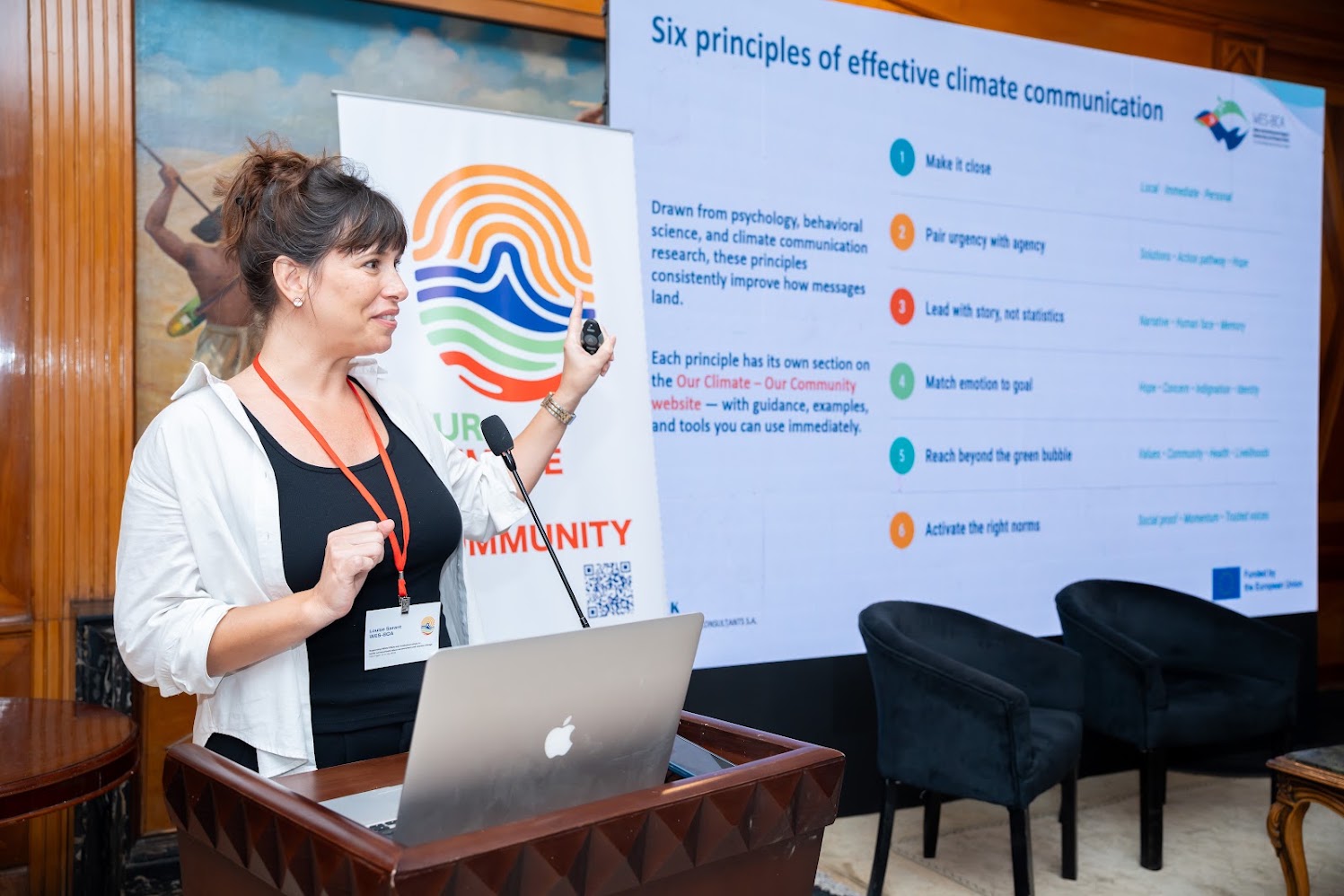
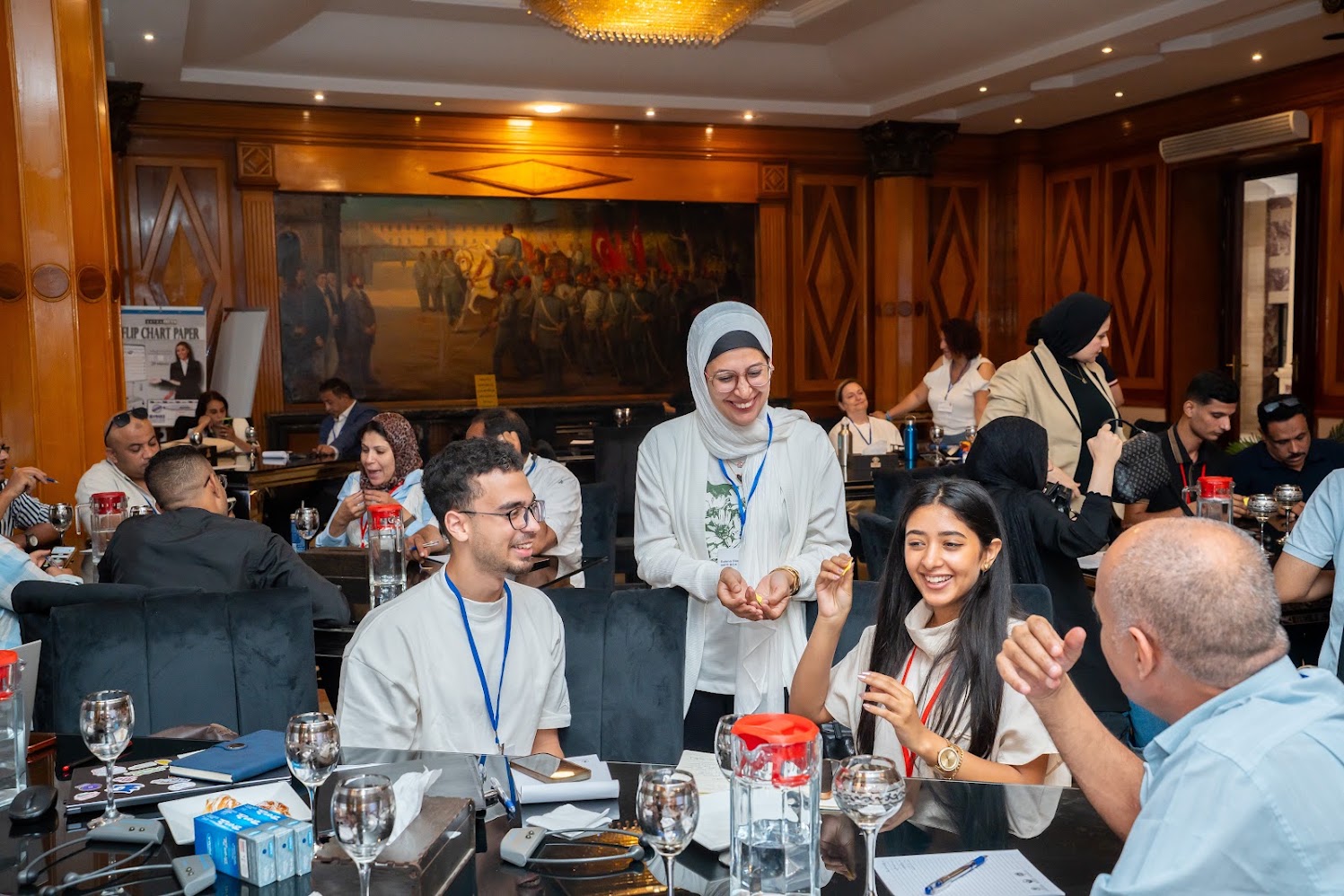
The workshop combined theoretical knowledge with practical application. The organisers ensured that each training topic was accompanied by a practical exercise that translated the concepts presented into professional practices. This enabled participants to gain hands-on experience in covering environmental and climate issues using the latest media approaches and techniques.
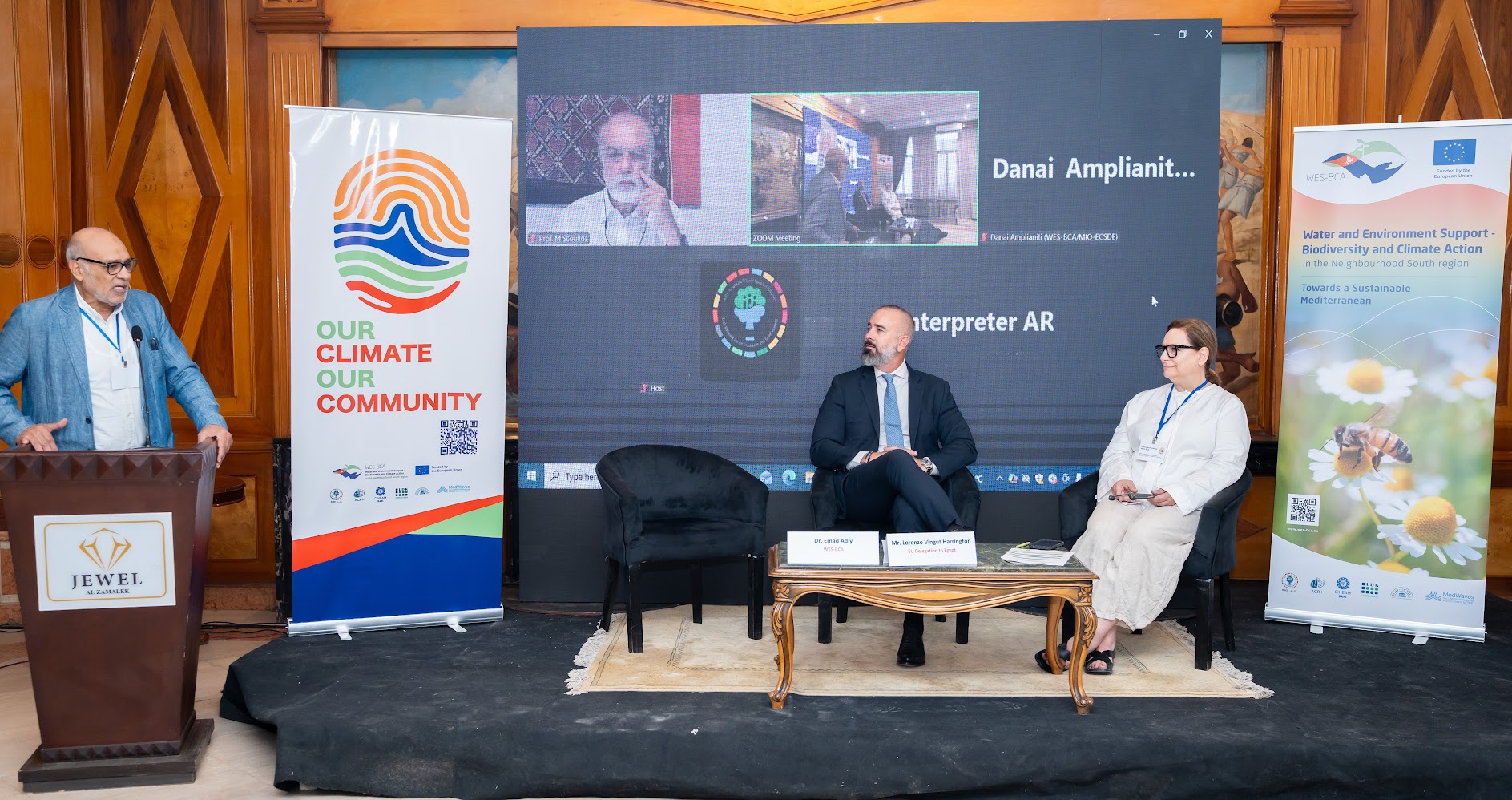
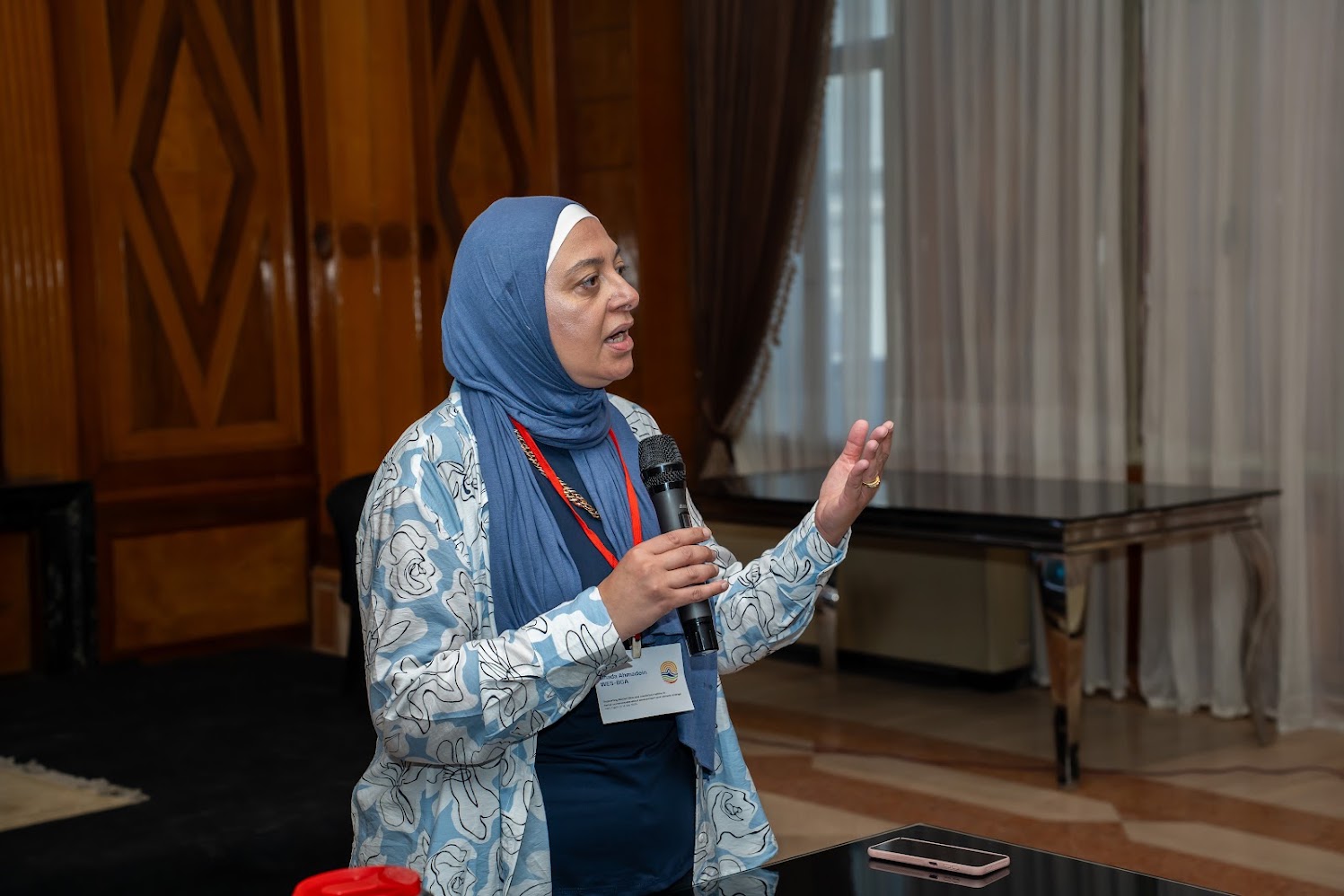
Dr Michael Scoullos, Team Leader of the Water and Environment Support Project, opened the workshop by emphasising the vital role of the media and civil society organisations in advancing environmental action, particularly in addressing the challenges posed by climate change.
Dr Emad Adly, General Coordinator of RAED and the project’s Key Expert responsible for coordinating civil society efforts and capacity building, stated that the workshop on environmental and climate communication was the first of its kind to be organised in Egypt. He stressed the importance of strengthening communication between media professionals and civil society representatives to advance climate action.
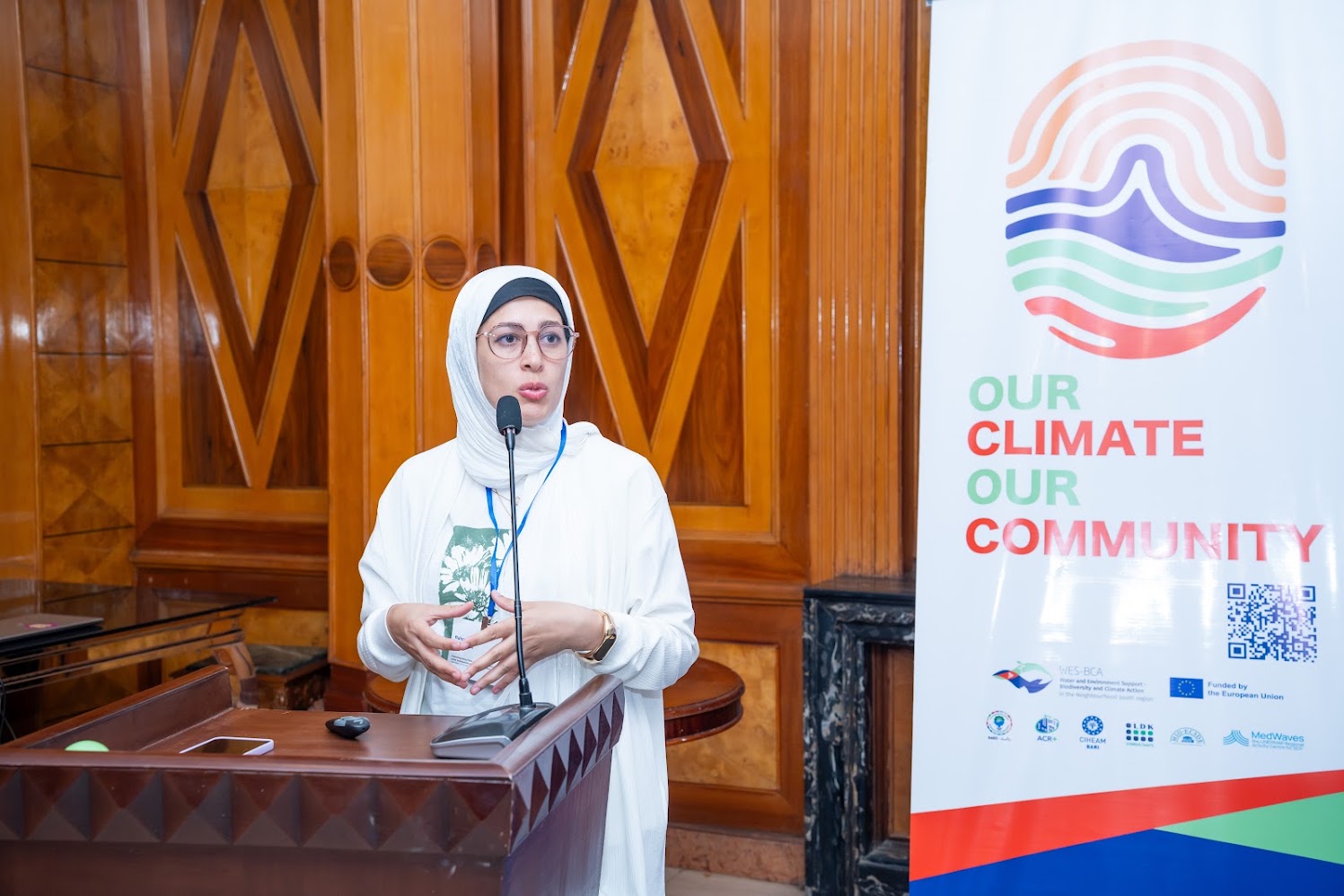
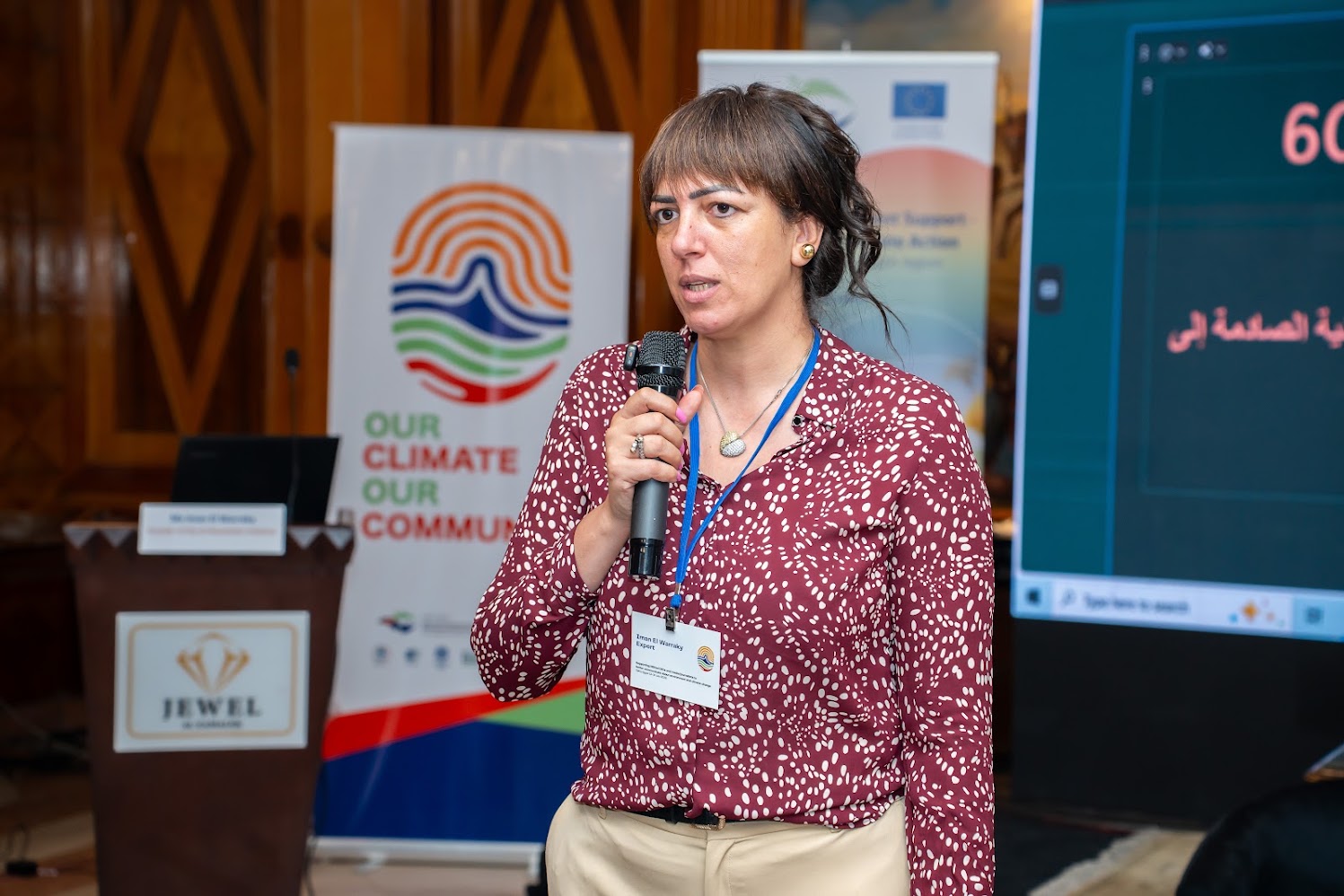
One of the sessions explored ways of integrating artificial intelligence technologies into media work. Journalist Eman El-Warraqi, founder of the “Artificial Intelligence Revolution” initiative, presented modern applications for collecting and analysing environmental data and producing media content that is more accurate, in-depth, and impactful. She also emphasised the need to comply with professional and ethical standards when using these technologies to safeguard credibility and ensure the accuracy of information.
A specialised session was also dedicated to solutions journalism. During the session, journalist Rahma Diaa, founder of the Climate School initiative, introduced the concept of solutions journalism and explained how it can be applied to environmental issues by focusing on successful initiatives and replicable experiences rather than merely reporting problems.
The session was followed by an intensive practical exercise in which all participants applied the principles of solutions journalism to a range of environmental and climate-related issues.
The workshop was not limited to theoretical lectures but adopted a learning-by-doing approach. Each training topic included practical exercises that enabled participants to apply what they had learned directly. The training resulted in the production of several projects and journalistic materials addressing environmental and climate issues from a professional perspective based on data and solutions. These outputs reflected the significant benefits gained by participants and reinforced the concept of practice-based learning.
The discussion sessions witnessed extensive engagement among participants, who highlighted the most pressing environmental challenges facing several Egyptian governorates. They also discussed the difficulties encountered by media professionals when covering environmental issues, particularly the limited availability of accurate information and data, the complexity of certain scientific topics, insufficient specialised media coverage, and the need for continuous training programmes to enhance the professional performance of journalists and media practitioners.
Participants also discussed the importance of strengthening cooperation among media outlets, governmental and research institutions, and civil society organisations. Such collaboration would help ensure access to accurate information, develop media content capable of simplifying environmental issues for the public, and encourage community participation in addressing the impacts of climate change.
At the conclusion of the workshop, participants presented several recommendations. These included strengthening continuous training programmes for journalists and media professionals in environmental journalism and climate communication; expanding the use of artificial intelligence technologies in producing environmental content while adhering to professional and ethical standards; and adopting solutions journalism when addressing environmental issues and highlighting successful initiatives and experiences.
The recommendations also called for facilitating media professionals’ access to accurate environmental information and data; strengthening cooperation among media institutions, governmental and research bodies, and civil society organisations; ensuring continuous media coverage of environmental issues rather than limiting coverage to crises and disasters; and establishing a communication network for journalists and media professionals interested in environmental affairs to exchange expertise, journalistic materials, and successful experiences.
The workshop concluded by affirming that building specialised and influential environmental media is no longer optional but has become a necessity imposed by current environmental and climate challenges. Investing in the training of media professionals, developing their professional tools, employing modern technologies, and producing solutions-oriented media content represent key pathways for supporting the state’s efforts to protect the environment, achieve sustainable development, and promote a culture of social responsibility towards climate issues and natural resources.