RAED Participates in the Ministerial Meeting and the High-Level Committee to Enhance Water and Food Security in the Arab Countries
An Arab Fund to Finance Integrated Initiatives, the Transition toward a Green Economy and Technical and Financial Support for Palestine
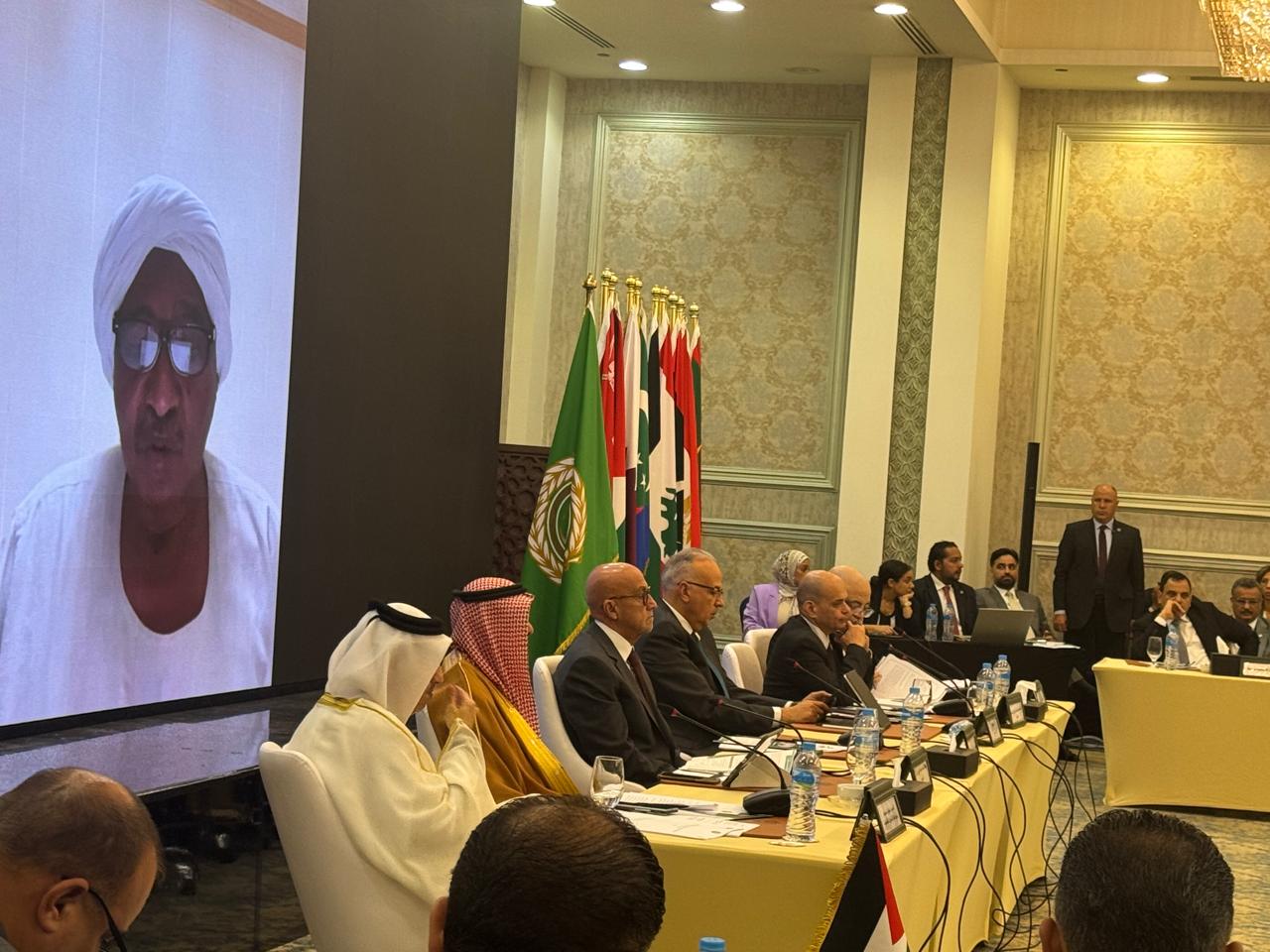
Over the course of October 14 and 15, and within the framework of Cairo Water Week 2025, the Arab Network for Environment and Development (RAED) participated in the Third Ministerial Meeting of Arab Ministers of Agriculture and Water, alongside the Seventh Meeting of the Joint High-Level Committee for the Agriculture and Water Sectors. The meetings were attended by a number of Arab Ministers of Water and Agriculture, representatives of the League of Arab States, as well as several international and regional organizations, including the Food and Agriculture Organization of the United Nations (FAO), the United Nations Economic and Social Commission for Western Asia (ESCWA), the United Nations Educational, Scientific and Cultural Organization (UNESCO) and the Arab Organization for Agricultural Development (AOAD).
This year’s meetings were held within the context of joint efforts to enhance water and food security in the Arab region and to strengthen integration between the agriculture and water sectors, in line with the Sustainable Development Goals (SDGs). The events served as a vital platform for the exchange of views and expertise among governments, regional organizations and civil society, against the backdrop of the growing challenges facing the region due to climate change, water scarcity and land degradation.
Participants, including RAED representatives, emphasized the importance of regional cooperation and knowledge exchange among Arab countries in the fields of water, energy and food management, in addition to, the adoption of policies that support the transition toward a green economy and climate-smart agriculture. They also stressed the need to expand the participation of civil society organizations in supporting governmental efforts to implement community awareness programs on the rational use of natural resources and the application of integrated water and agricultural management.
During the working sessions, RAED, as a representative of civil society organizations active in the fields of environment and development in the Arab world, underscored the importance of strengthening partnerships among governments, international, regional and community organizations to build more resilient and sustainable water and food systems in the face of climate change impacts. The Network further stressed that addressing water and food security challenges can only be achieved through integrating the environmental dimension into all stages of agricultural and water planning and also, adopting the circular economy approach, which is based on resource reuse, loss reduction and maximizing the added value of water and energy. RAED also called for the empowerment of women and youth in the agricultural and water sectors as key drivers of change, noting that engaging younger generations in climate-smart agriculture and water management projects will contribute to long-term behavioral and institutional transformation toward more sustainable production and consumption patterns.
The ministerial meeting sessions addressed a range of key themes, most notably the development of joint Arab policies for sustainable management of water and agricultural resources, strengthening cooperation among Arab countries for the exchange of modern technologies in irrigation, land management and agricultural production improvement, as well as the use of non-conventional water resources, such as desalination and the reuse of treated wastewater. The discussions also emphasized the importance of bridging data and information gaps through the use of geographic information systems (GIS) and remote sensing technologies.
Participating countries presented their national experiences in climate-smart agriculture and the use of renewable energy in agricultural operations, while highlighting the importance of supporting scientific research, innovation and technical capacity building through cooperation with international organizations such as FAO, ESCWA and UNESCO. The meeting concluded with a set of recommendations aimed at unifying Arab efforts and strengthening institutional integration in the water and agriculture sectors.
The recommendations included a call for FAO and ESCWA to continue supporting Arab countries in the transition toward sustainable food systems, to provide periodic progress reports, to disseminate the technical study on water desalination for agriculture after incorporating countries’ feedback, and to expand successful pilot experiences in this field. They also encouraged adopting the circular economy as a practical, cross-sectoral approach to enhance sustainability in natural resource management and to develop an Arab-applicable business model to support desalination and climate-smart agriculture projects powered by renewable energy.
Furthermore, the recommendations emphasized the empowerment of youth and farmers to engage in modern agricultural practices, the activation of regional training programs on the use of brackish water and sustainable agriculture technologies as well as, proposed the establishment of a regional Arab Water and Agriculture Fund to finance integrated initiatives in desalination, renewable energy and the safe reuse of water. They also reaffirmed the unified Arab position in defending water and food rights also, the provision of technical and financial support to countries facing acute crises, foremost among them Palestine.
At the conclusion of the meetings, participants reaffirmed their commitment to continue Arab efforts to achieve water and food security and to enhance the sustainable management of natural resources considering escalating climate challenges. They also stressed the importance of activating regional partnerships among governments, international organizations and civil society along with, expanding pilot projects and community initiatives that support climate-smart agriculture and enhance the resilience of food systems in Arab countries.