During Its Participation in a Regional Workshop on Agricultural Drainage Water Desalination RAED Calls for Clear and Binding Environmental Standards for the Safe Management of Brine
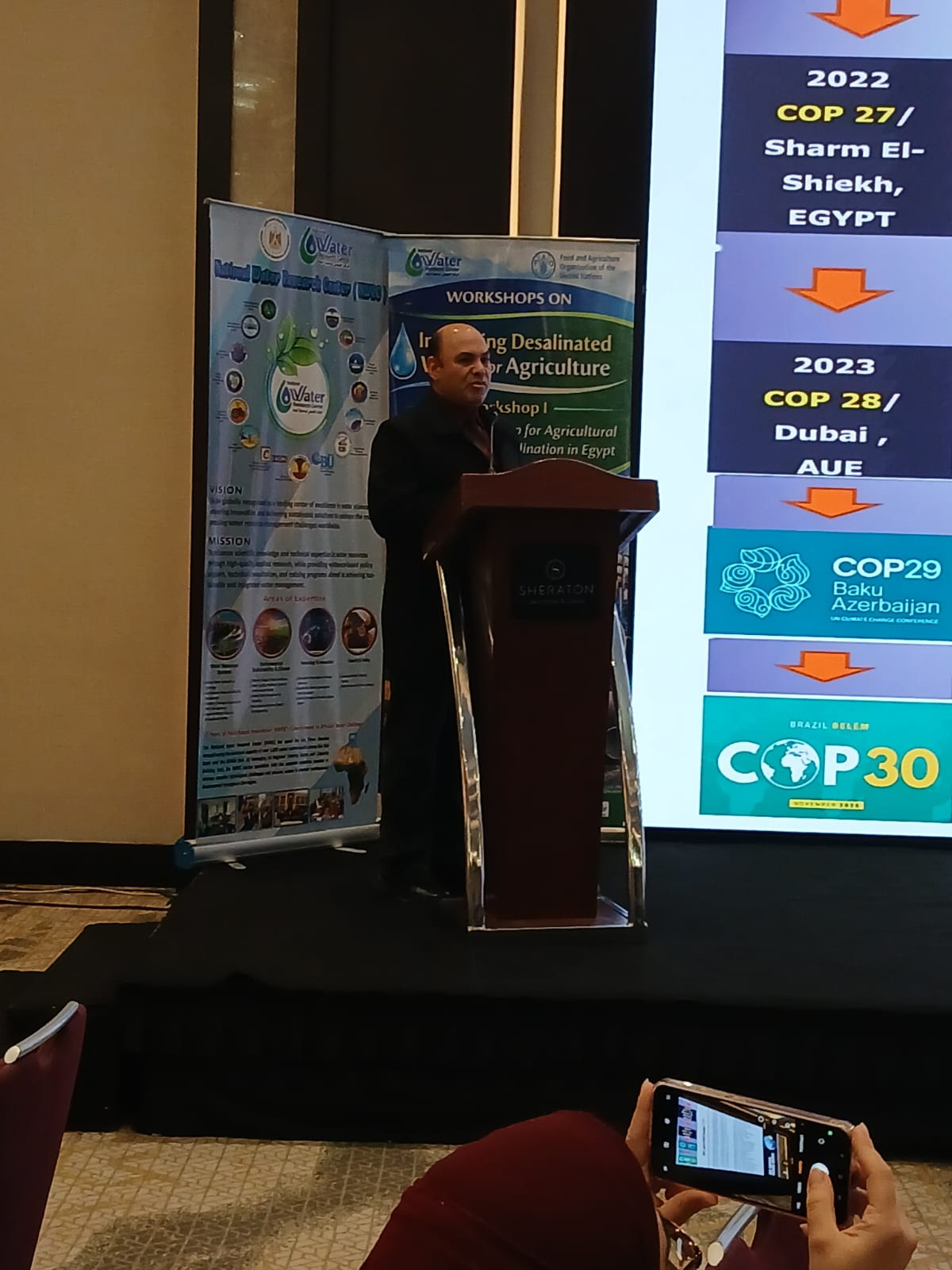
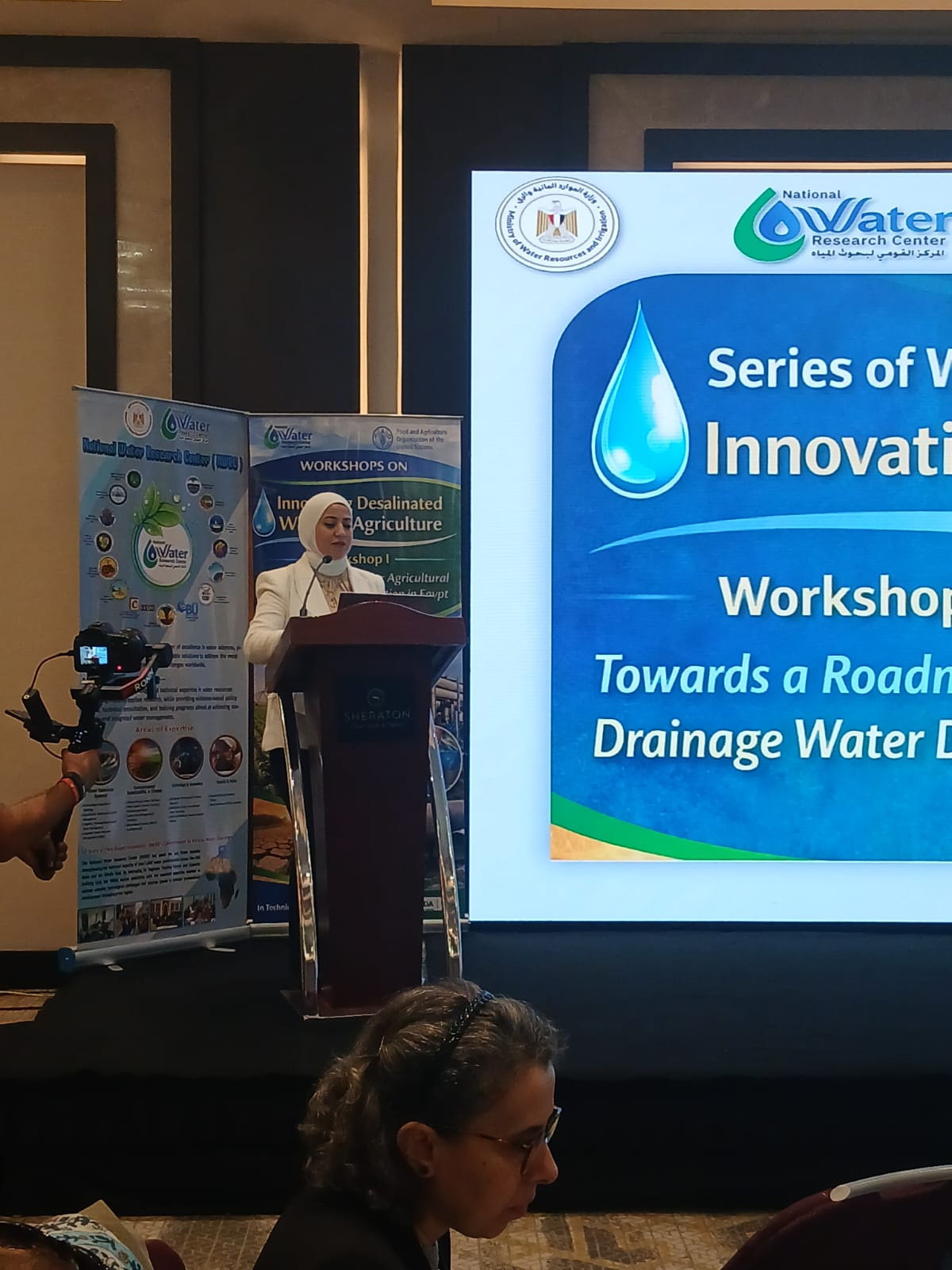
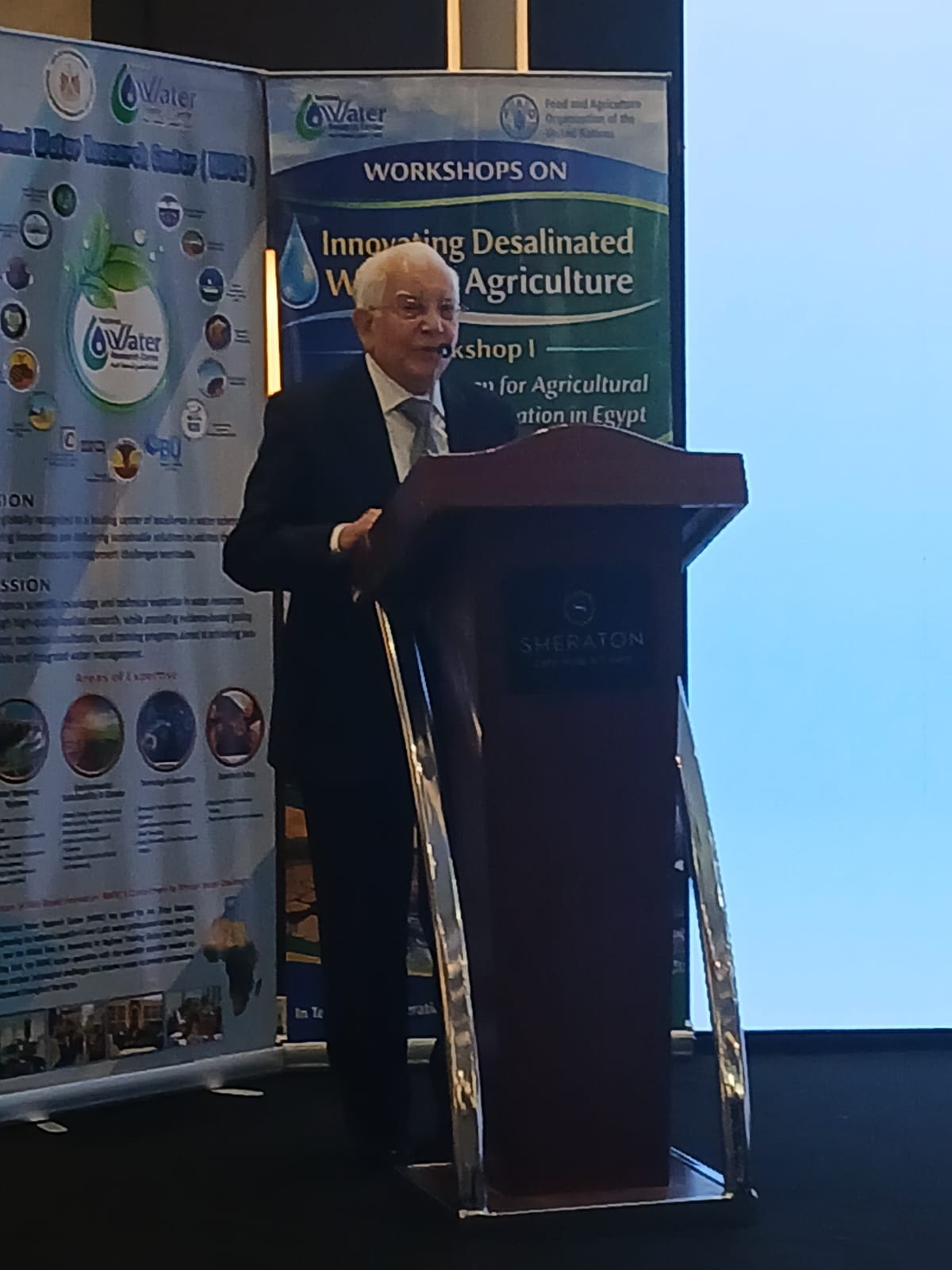
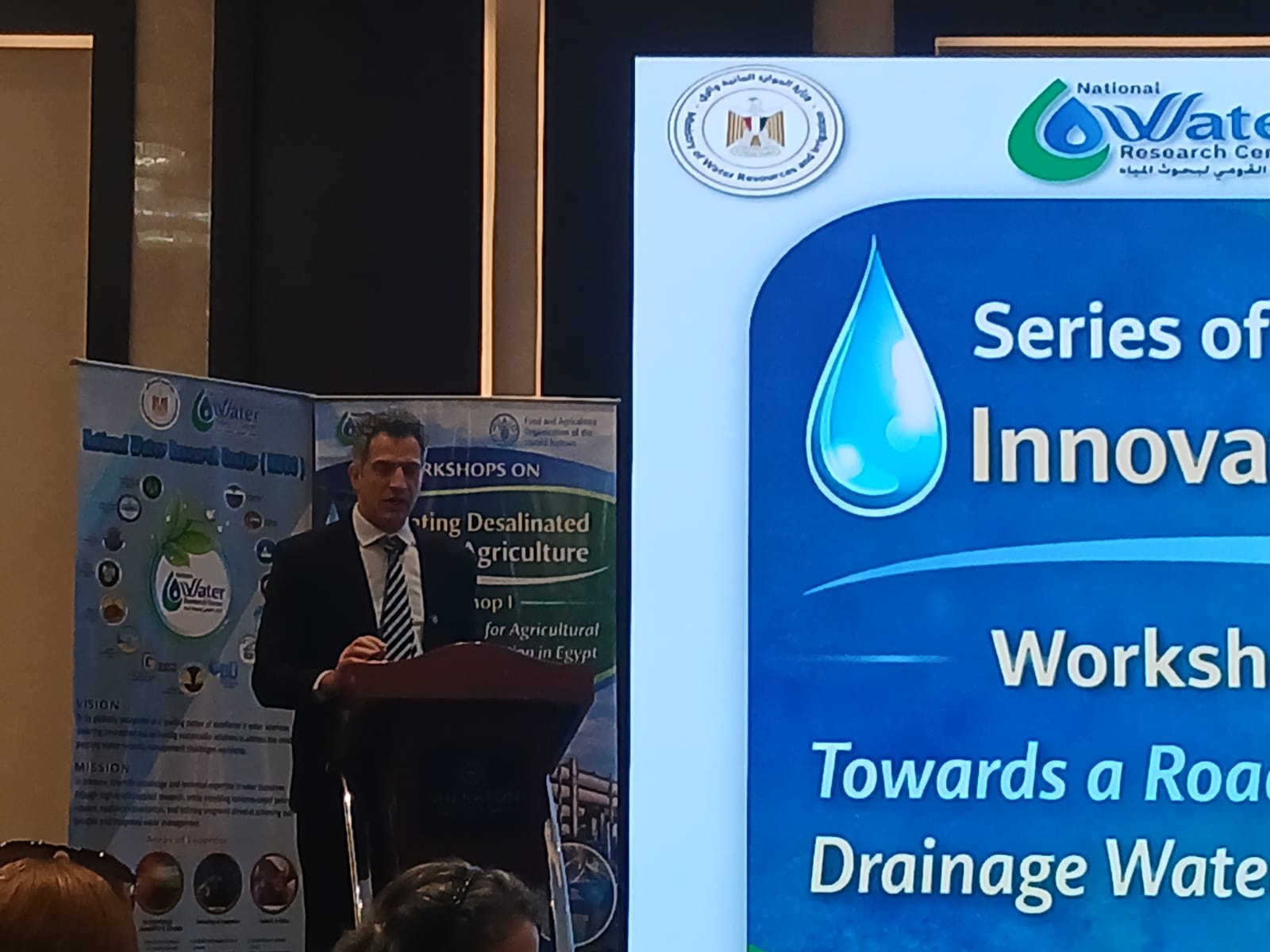
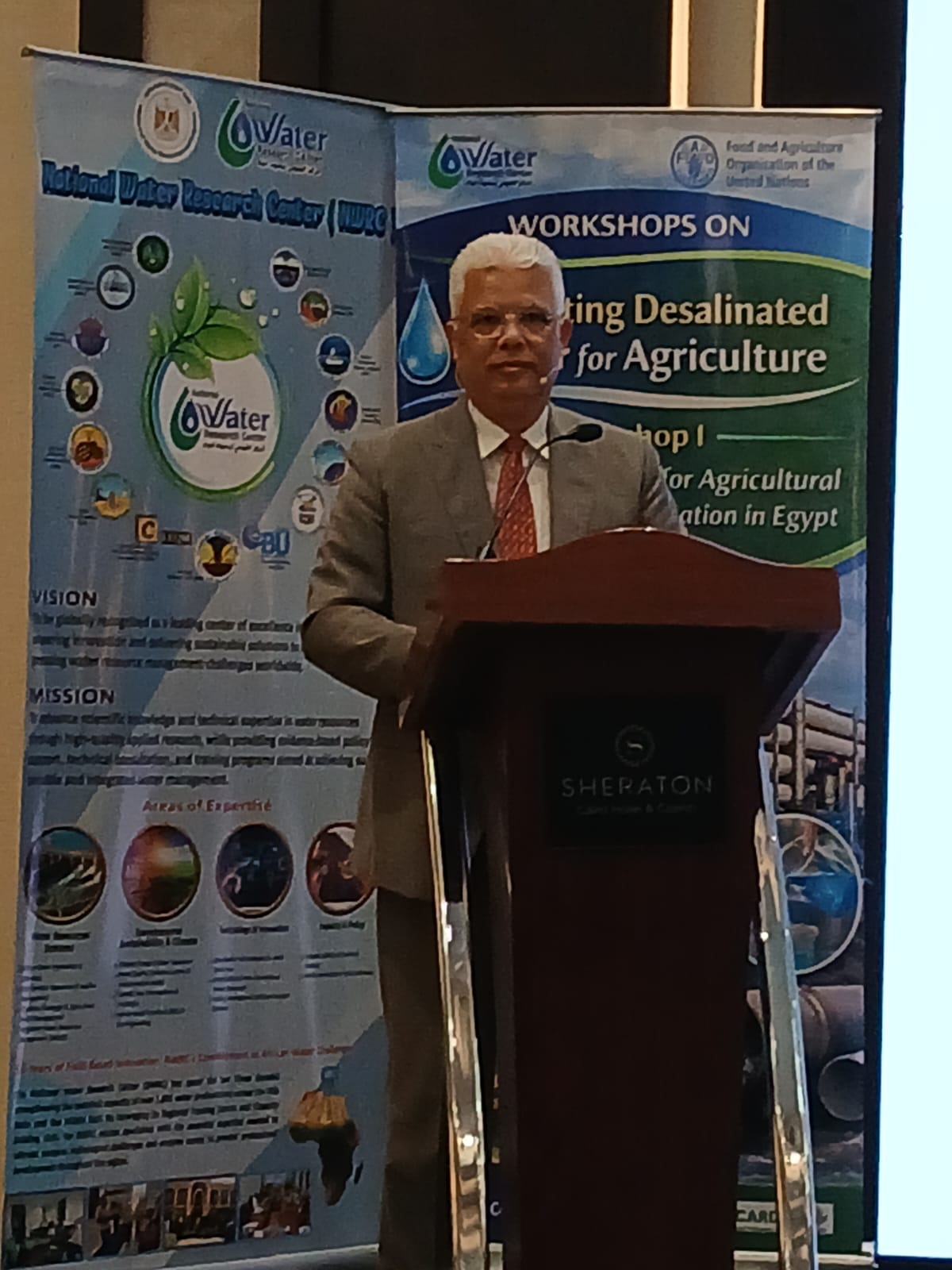
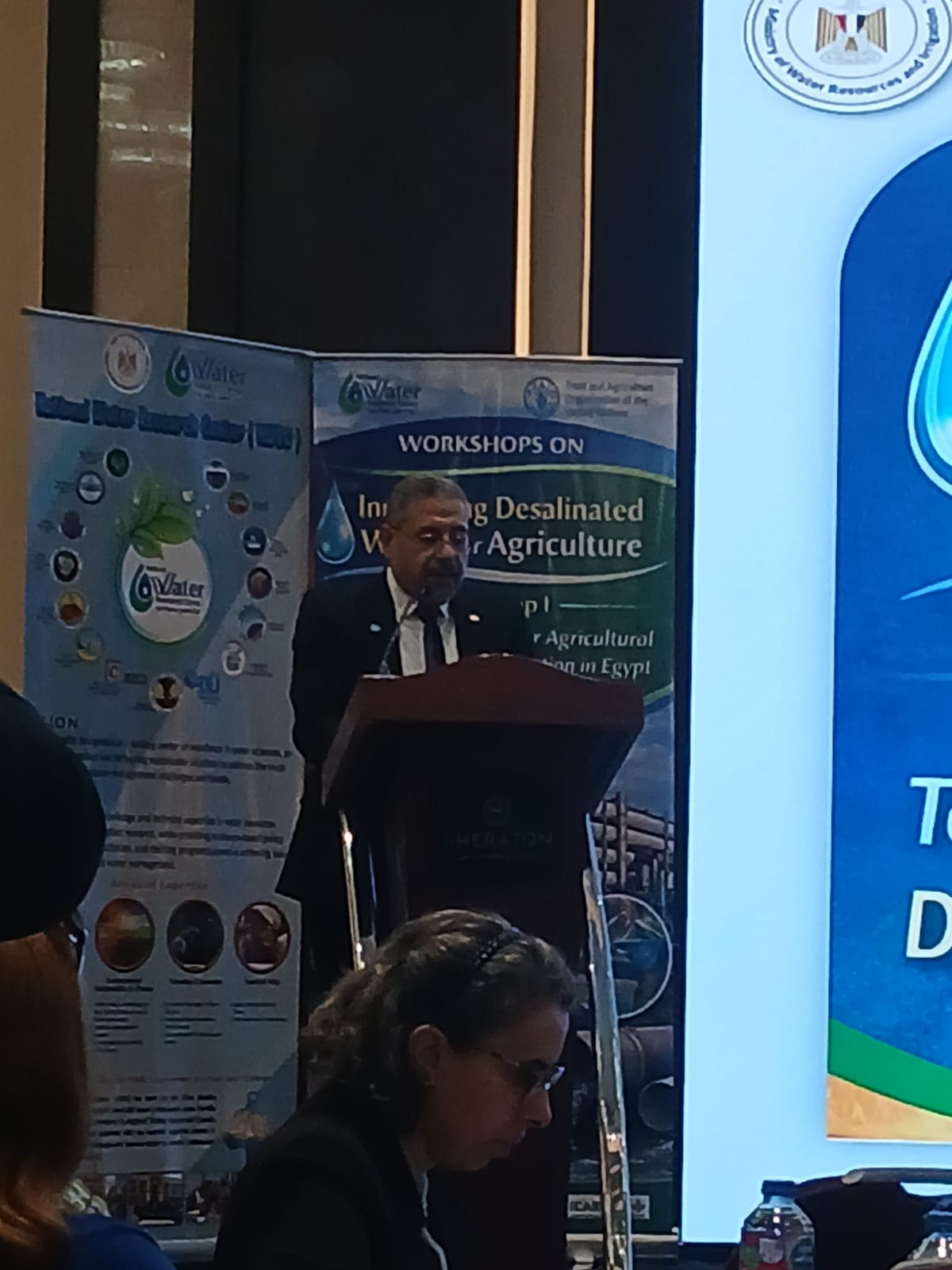
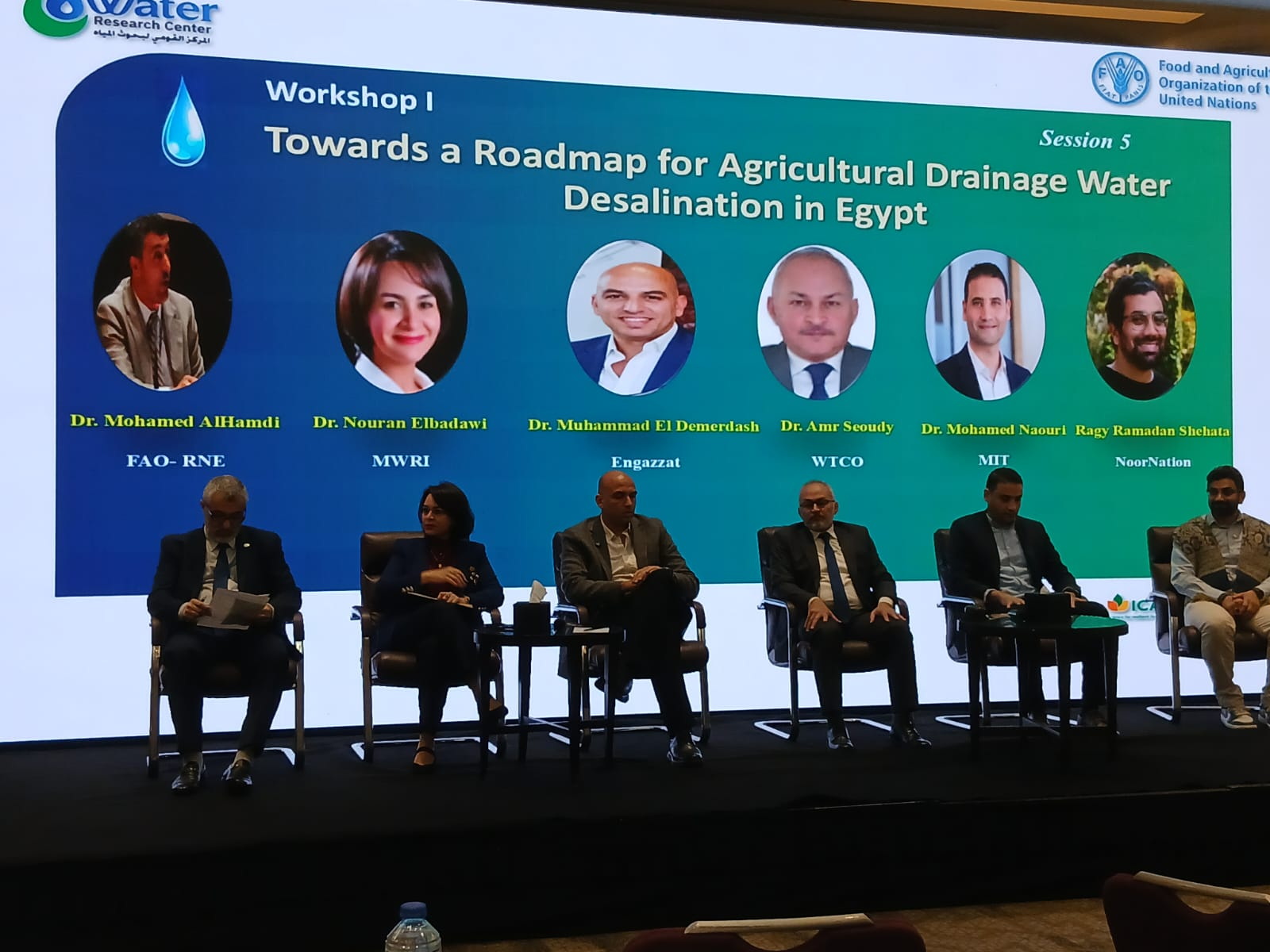
The Arab Network for Environment and Development (RAED) participated in the regional workshop titled “Towards a Roadmap for Agricultural Drainage Water Desalination in Egypt,” held in Cairo on April 1–2, 2026. The workshop was jointly organized by the International Center for Agricultural Research in the Dry Areas (ICARDA), the Food and Agriculture Organization of the United Nations (FAO), and the National Water Research Center.
RAED’s participation in this regional workshop reflects its growing engagement in water security issues and climate change adaptation, particularly considering escalating challenges related to water scarcity and the increasing demand for water in the agricultural sector, which represents one of the pillars of Egypt’s economy.
The opening session featured a keynote presentation titled “Non-Conventional Water in the Future of Agriculture in Egypt,” which highlighted the increasing role of non-conventional water sources, including agricultural drainage water desalination, as a strategic solution to enhance the sustainability of agricultural production under mounting climate and environmental pressures. Participants emphasized that expanding the use of such resources has become a necessity to address Egypt’s water gap, especially given the limitations of conventional water sources. This requires adopting integrated policies that combine technology, investment, and sound management practices.
The first session addressed the national context and sectoral needs related to water resource management, including Egypt’s national water strategy, agricultural expansion requirements, energy efficiency, and the sustainability of desalination technologies. The session also examined environmental impacts associated with desalination processes, in addition to discussing strategies for using desalinated water for drinking purposes, as well as strategic planning and investment considerations in this vital sector.
RAED representatives delivered a key intervention focusing on environmental requirements for managing brine generated from desalination processes. They warned of the environmental consequences of unsafe disposal, including potential impacts on soil quality, groundwater resources, and ecosystems. The network stressed the need to develop clear and binding environmental guidelines to ensure sustainable management of these by-products, safeguard ecological balance, and mitigate long-term negative impacts.
In this context, experts explained that proper brine management is a fundamental component of successful desalination systems. This requires conducting comprehensive environmental impact assessments prior to implementation, adhering to strict discharge standards, and avoiding environmentally sensitive areas, including agricultural lands and groundwater recharge zones. Several solutions were proposed, including controlled dilution, reuse in certain industrial applications, and studying brine dispersion patterns in marine environments to avoid damaging ecosystems.
The second session reviewed key international experiences in agricultural water desalination, with particular emphasis on FAO studies in the Arab region. These studies underscored the importance of integrating desalination technologies within comprehensive water management systems that include improving water use efficiency and managing soil salinity. The session also highlighted desalination applications in controlled environments, such as greenhouses, as a promising model for optimizing water resource use.
Under the innovation theme, the third session explored technological advancements in desalination, including analysis of agricultural drainage water characteristics in Egypt and the challenges related to water quality variability. The session also reviewed clean energy solutions, such as solar and wind power, for operating desalination systems. Participants emphasized that integrating renewable energy into desalination operations represents a key step toward reducing operational costs and carbon emissions while enhancing project sustainability.
Interactive sessions divided participants into specialized working groups, including environment, investment, and policymaker groups, with the aim of analyzing challenges and opportunities from multiple perspectives and developing an integrated vision for expanding agricultural drainage water desalination. These groups presented recommendations emphasizing the importance of integrating environmental, economic, and institutional dimensions as essential conditions for successful future interventions.
The workshop also discussed pathways for transforming scientific research outcomes into implementable pilot projects. Participants emphasized the importance of developing appropriate economic models for farmers, addressing operational challenges, and establishing supportive institutional frameworks. They highlighted that the next phase should involve a practical transition from theoretical studies to field implementation through pilot projects that allow feasibility assessment and identification of best practices.
During the closing session, participants stressed the importance of developing a comprehensive national roadmap for agricultural drainage water desalination, based on coordination among relevant stakeholders, strengthening international partnerships, and ensuring sustainability of solutions. Key recommendations included enhancing institutional integration, establishing a national data management platform, and utilizing artificial intelligence technologies to support decision-making. The recommendations also called for integrating the water–food–energy nexus into strategic planning, expanding the use of renewable energy, updating legislative frameworks, securing integrated financing, and implementing capacity-building programs, alongside accelerating pilot project implementation to enable large-scale deployment.
RAED’s participation in this workshop underscores the important role of civil society organizations in supporting policy dialogue and providing environmental perspectives that contribute to balanced solutions combining economic development with the protection of natural resources. This participation also reflects the network’s commitment to supporting national and regional efforts to address water and climate challenges and to contributing to building a more sustainable future for Egypt’s agricultural sector.