RAED Begins Evaluation of the Pilot Model for the Drought Resilience Project in Kafr El-Sheikh
The Arab Network for Environment and Development (RAED) has launched the final phase of monitoring and analyzing the results of the pilot model implemented in Sidi Salem District, Kafr El-Sheikh Governorate, as part of the project “Stakeholder Participation to Enhance Drought Resilience through Reinforced Indigenous Knowledge and Smart Tools for Socially Just Water Management” (ABCDryBASIN). The project is being implemented in cooperation with the Faculty of Engineering at Tanta University, with funding from the International Institute for Water Education.
The project is one of the applied initiatives aimed at strengthening smart and equitable management of water resources in the agricultural sector. It does so by employing modern knowledge tools and advanced technologies to rationalize water consumption and improve water-use efficiency in agricultural practices, thereby contributing to addressing the impacts of drought and climate change.
The pilot model is being implemented in cooperation with Al-Nahda Association for Agricultural Development and Water Management, under the scientific and technical supervision of experts and professors from the Desert Research Center, as part of efforts to apply best scientific practices for performance monitoring and field-results analysis.
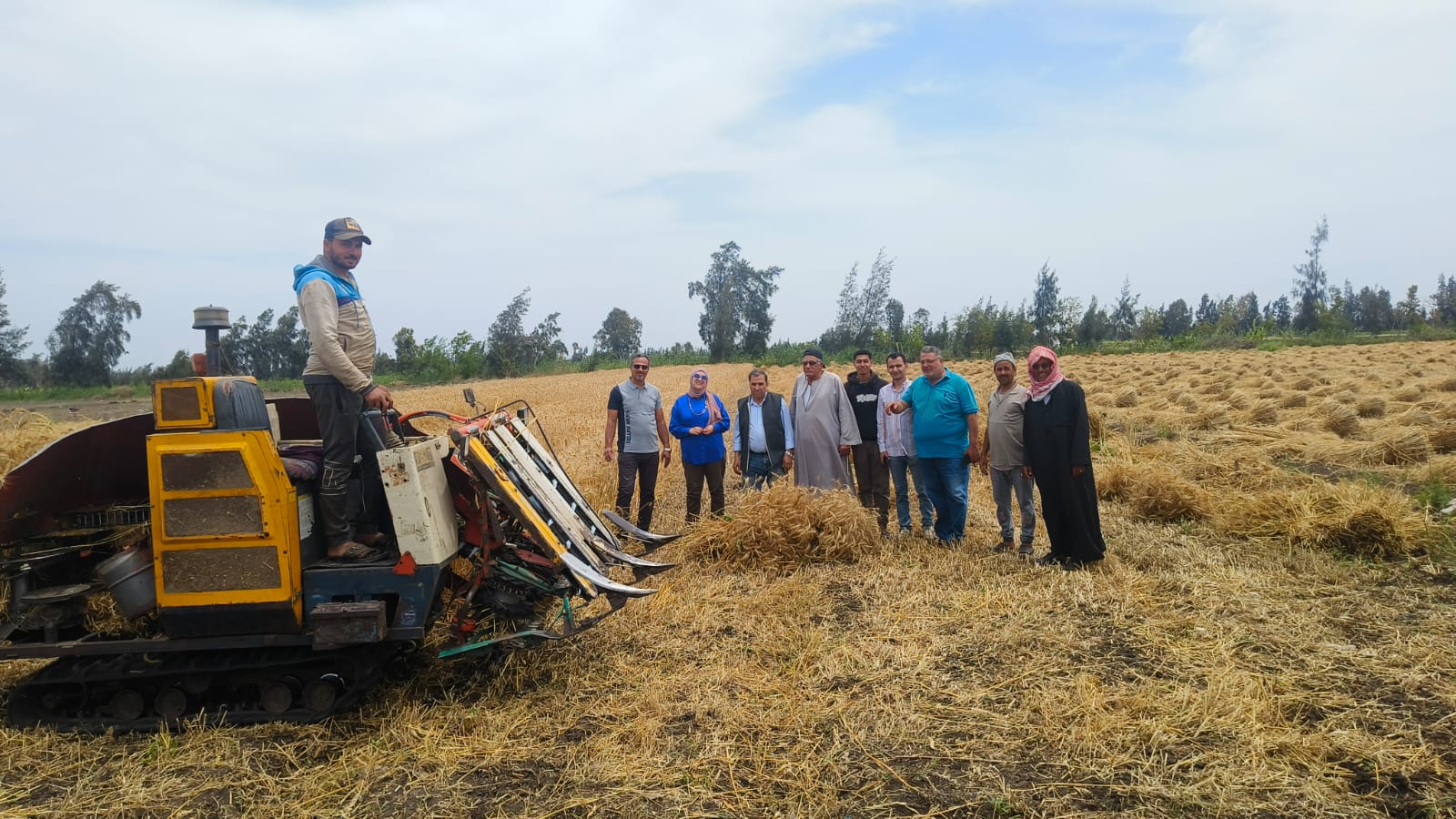
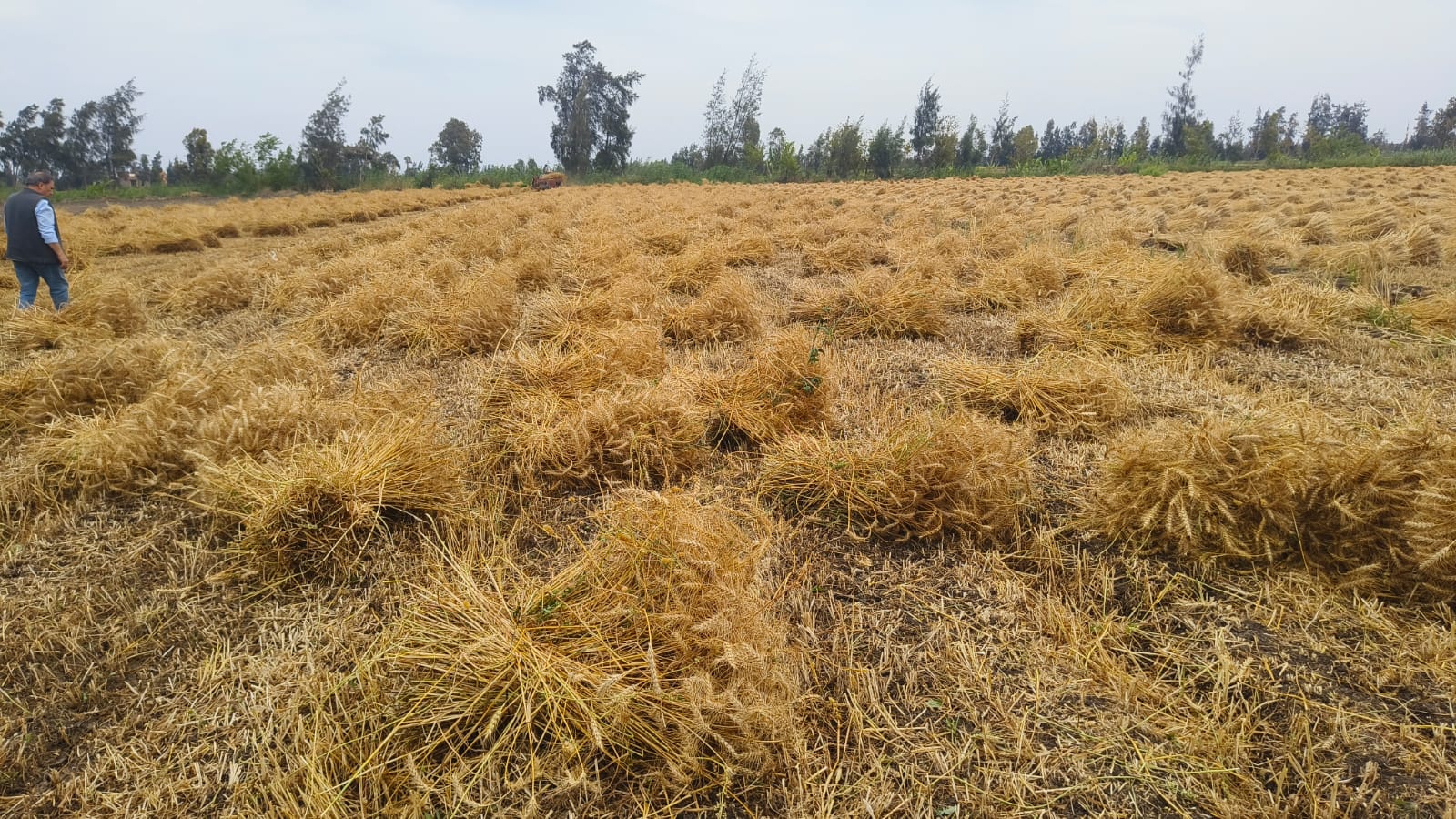
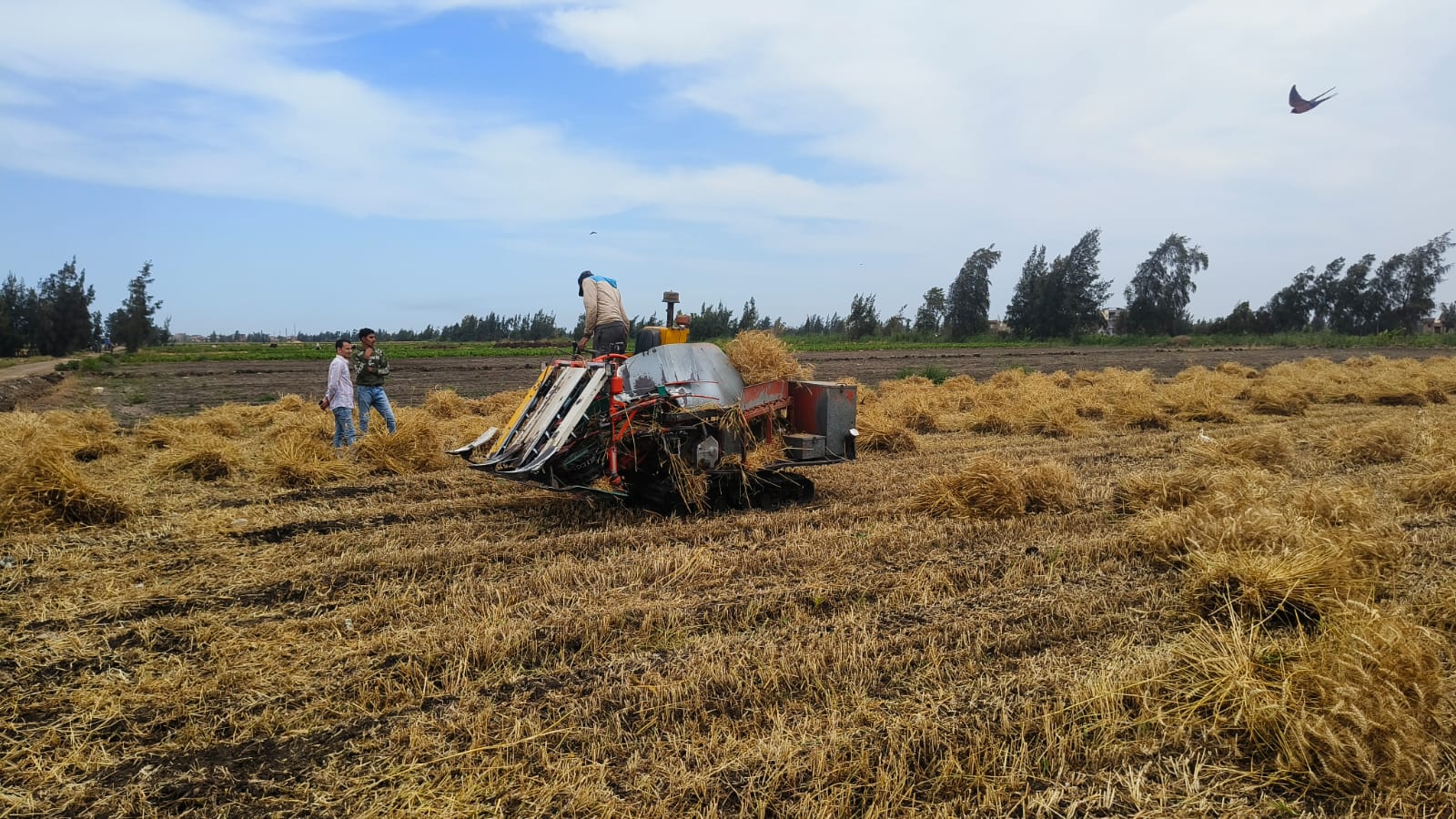
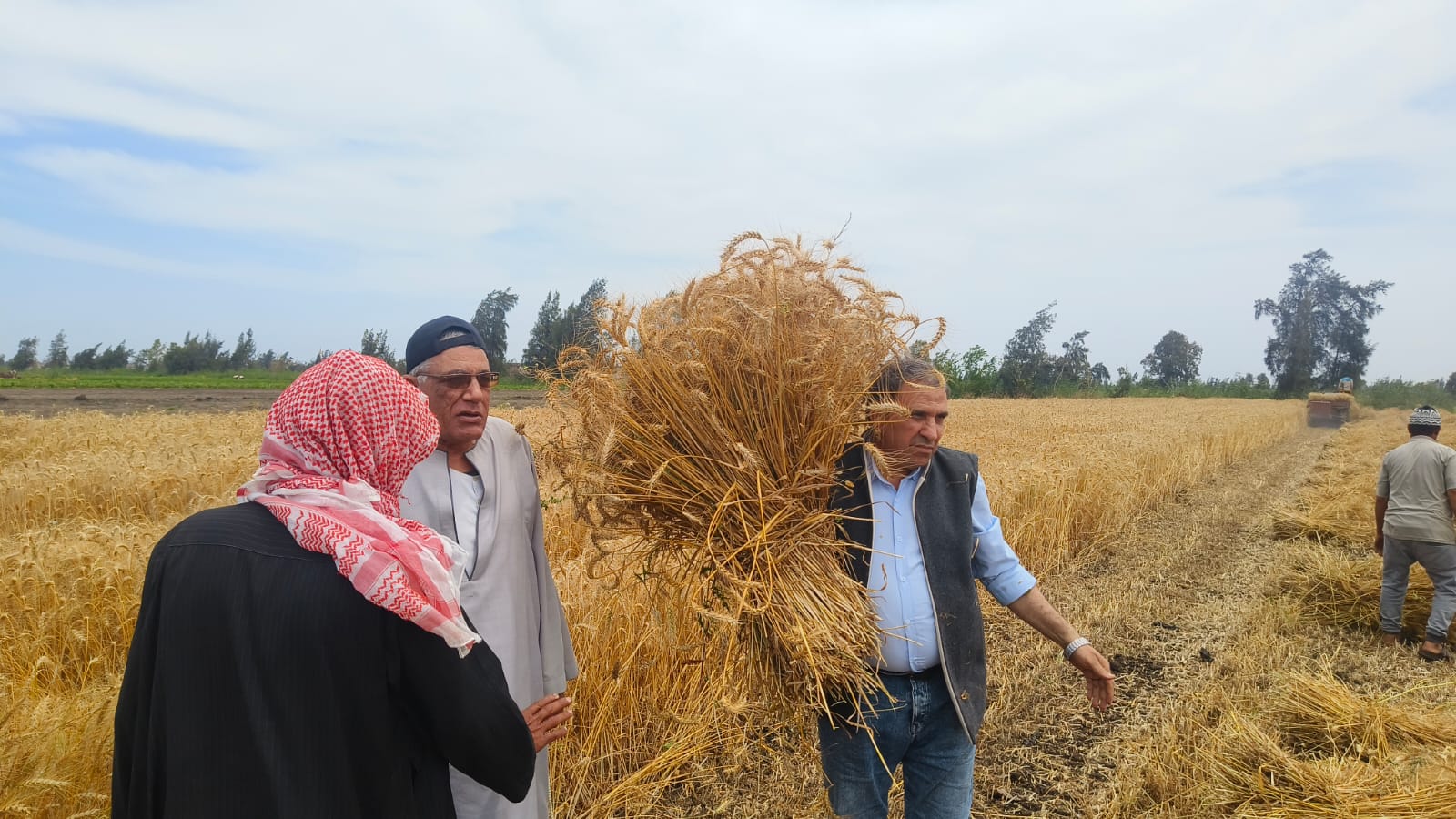
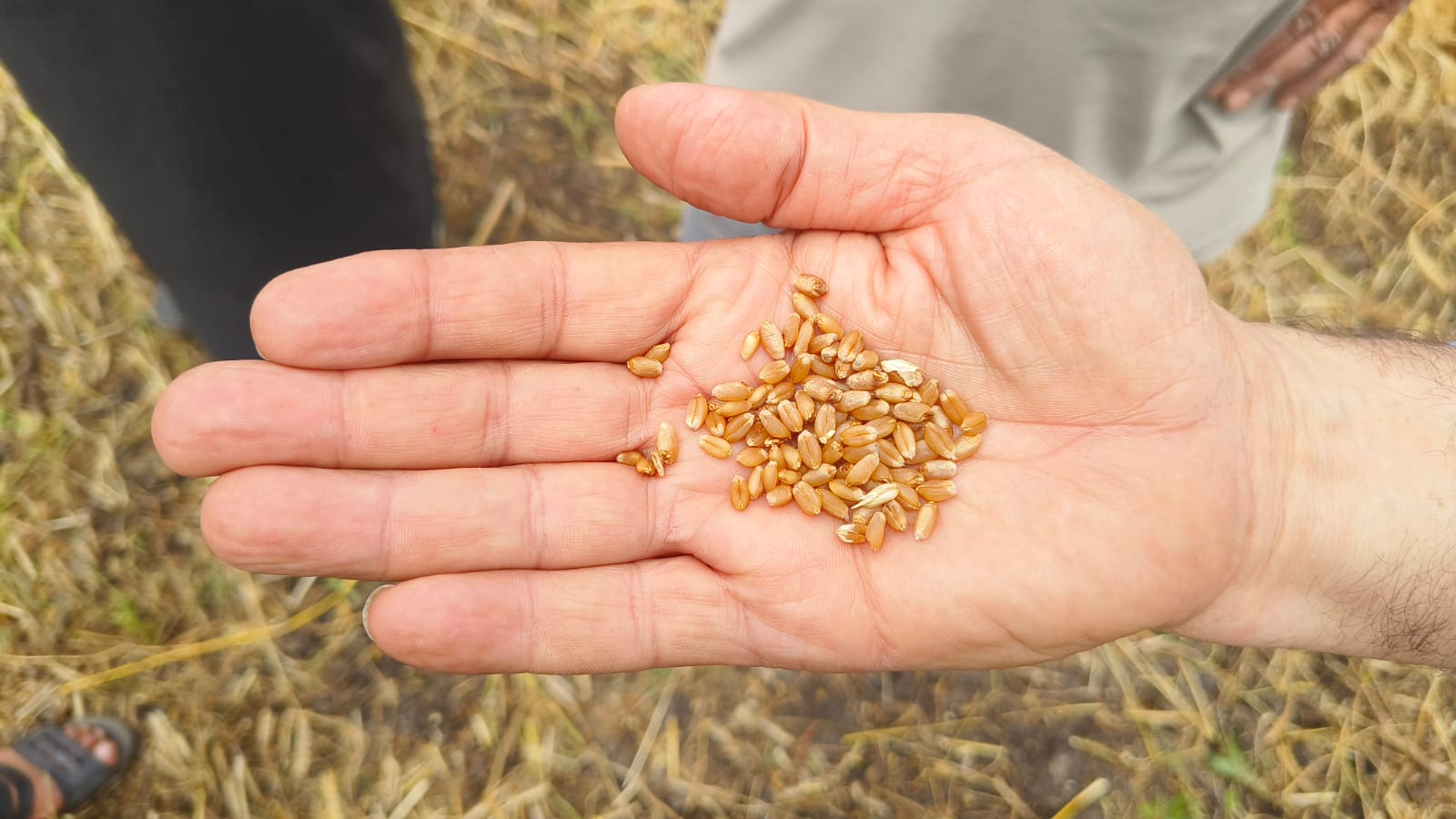
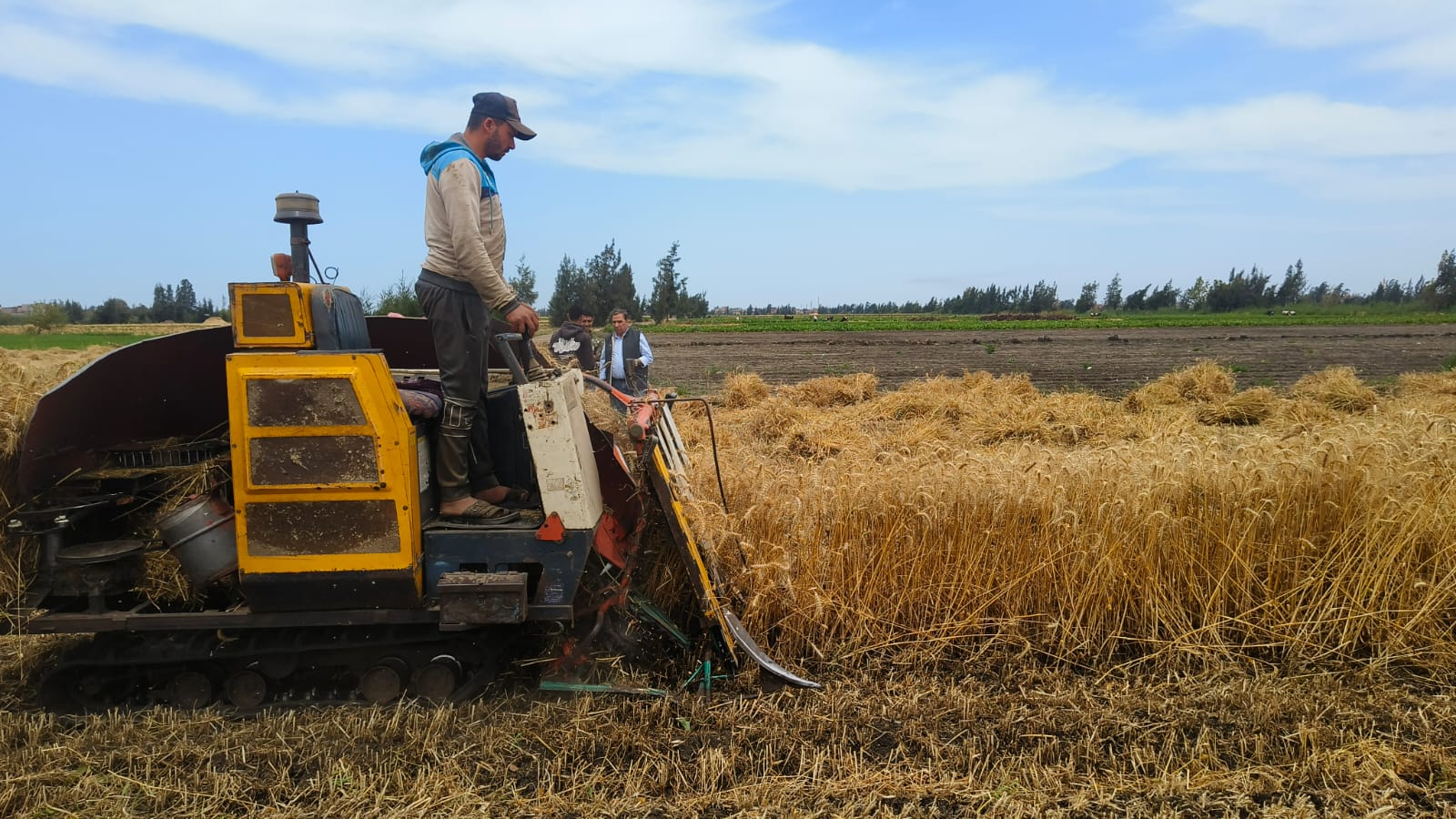
The current phase includes the harvesting of the wheat crop, in preparation for the scientific monitoring and analysis of the results achieved by the pilot model. It also involves conducting field comparisons between traditional farming methods and climate-smart agricultural practices, particularly in relation to water-use efficiency and consumption rationalization mechanisms.
The project seeks to support climate change adaptation efforts and enhance the sustainability of natural resources by developing scalable applied models in agricultural governorates. This contributes to strengthening water and food security and enhancing the capacity of local communities to address the challenges of drought and water scarcity.