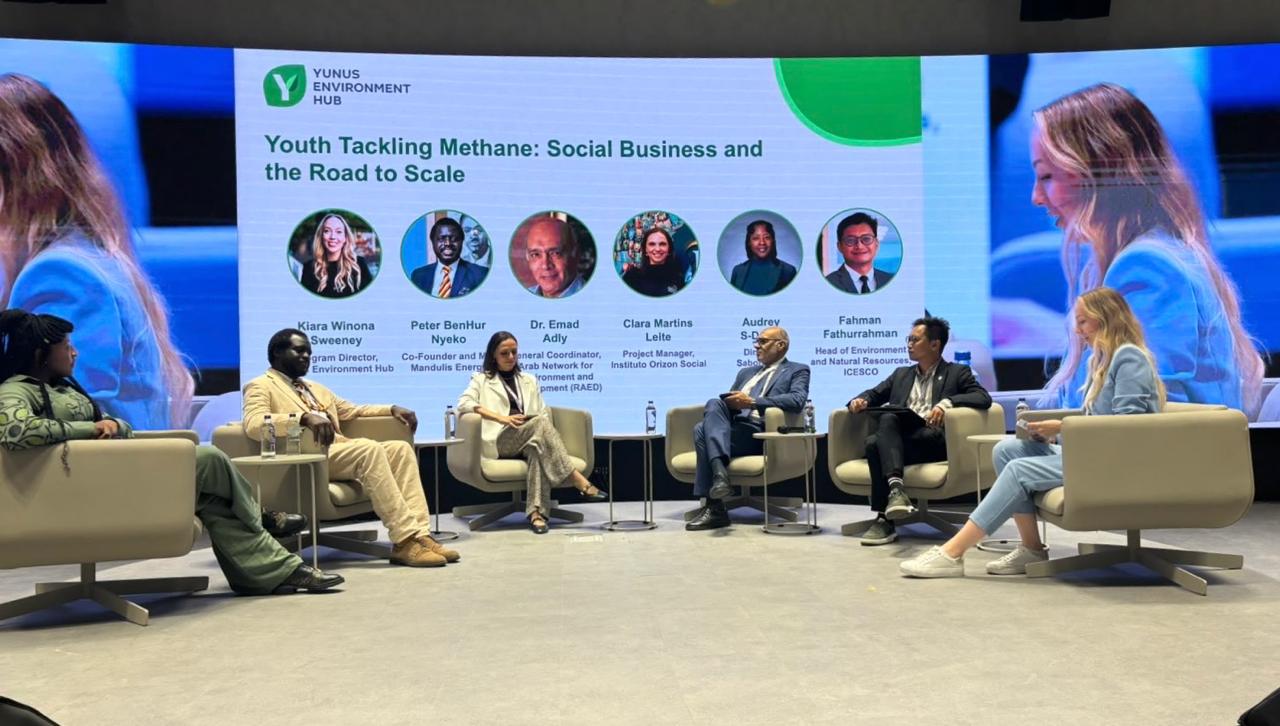
Dr. Emad Adly, General Coordinator of the Arab Network for Environment and Development (RAED), called for greater investment in sustainable waste management and stronger support for youth-led initiatives at COP31, the UN Climate Change Conference in Antalya, Türkiye.
Adly spoke during a panel titled “Youth Tackling Methane: Social Business and the Road to Scale,” held on the Zero Waste Museum’s forum platform. The session brought together experts and representatives of institutions working on environmental protection and sustainable development.
Adly said that achieving sustainable waste management and a cleaner environment requires a coordinated approach that involves all stakeholders. He said one of RAED’s main objectives as a regional network is to support efforts to achieve a clean and sustainable environment by bringing stakeholders together and coordinating their efforts.
He identified limited investment as a major barrier to achieving zero waste. He called for waste management projects to turn discarded materials into resources that generate tangible economic benefits for communities, and for their economic and environmental outcomes to be assessed against the sums invested.
Adly cited a figure of 17–19% for the share of investment directed to this area. He described that level as low given the scale of the challenges and opportunities and called for more investment and wider access to financing for initiatives and projects that manage waste and recover its economic value.
He also urged universities and academic centres to work with civil society organisations and government agencies. He said closer cooperation would help put scientific knowledge, technical expertise and available technology to work, improve the returns from waste management and recycling, and make zero waste practical over the long term.
Pointing to Egyptian initiatives already working to reduce waste and improve its management, Adly called on policymakers to give them the support they need to expand and achieve their goals. He said young people have a central role in improving waste management and reducing methane emissions, and urged greater funding and investment to help them turn their ideas into viable social and economic ventures that can grow.
Adly said that changing how people view waste is central to this effort. Treating discarded materials as a resource creates opportunities for investment and innovation with both economic and environmental benefits. He urged schools, universities and youth centres to make sustainable waste management part of young people’s environmental education, expand awareness programmes and introduce practical ways to manage and recover value from waste.
In closing, Adly called for investment in zero waste alongside investment in food security, water security and land reclamation. He described these as interconnected priorities for protecting natural resources and strengthening communities’ ability to cope with environmental and climate challenges. He urged stakeholders to expand partnerships and provide the financing needed to turn innovative environmental ideas, especially those led by young people, into projects with lasting benefits for communities.