RAED Presents Regional Roadmap to Combat Desertification and Conserve Biodiversity at COP31
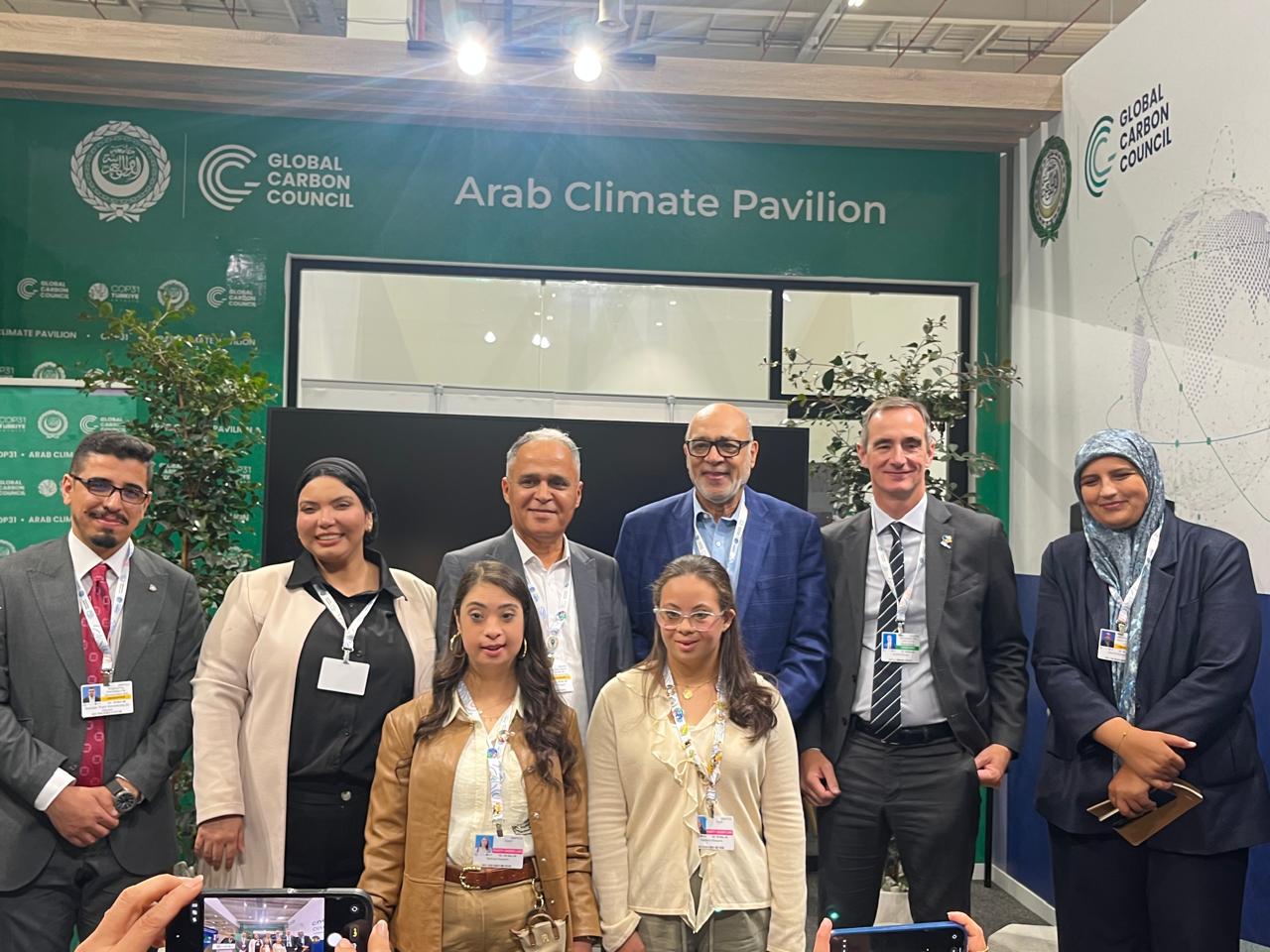
The Arab Network for Environment and Development (RAED) presented an integrated regional vision to combat desertification, restore degraded land and conserve biodiversity across the Arab region during the United Nations Climate Change Conference (COP31) in Antalya, Türkiye. The vision was presented under the title “From Rio to Action: A Regional Roadmap to Combat Desertification and Conserve Biodiversity in Drylands.”
RAED outlined the vision at a side event organised in cooperation with the League of Arab States, the Arab Organization for Agricultural Development, the International Union for Conservation of Nature (IUCN), the Arab Center for the Studies of Arid Zones and Dry Lands (ACSAD), and the Water and Environment Support for Biodiversity and Climate Action project.
The event highlighted the importance of strengthening synergies among the three Rio Conventions—the United Nations Framework Convention on Climate Change, the United Nations Convention to Combat Desertification, and the Convention on Biological Diversity—and translating international commitments into programmes that address the environmental and development challenges facing Arab countries.
Speaking during the session, Dr. Emad Adly, General Coordinator of RAED, stressed that the Arab region faces interconnected challenges, including land degradation, worsening desertification and drought, biodiversity loss, and mounting pressure on water and food resources. Climate change and geopolitical conditions compound these pressures, underscoring the need for integrated policies that protect natural resources and strengthen community resilience.
He explained that RAED’s vision for a regional roadmap recognises the fight against desertification as a pillar of Arab national security. Soil health, water availability, sustainable vegetation cover and biodiversity are closely interconnected, while their deterioration has consequences for food security, rural migration and poverty.
RAED called for an Arab roadmap grounded in a comprehensive assessment of environmental conditions and actual needs, developed with the participation of governments, local communities and civil society organisations. Particular attention should be given to the roles of young people and women to ensure that priorities and solutions reflect the specific characteristics of drylands and the needs of their inhabitants.
The proposed roadmap aims to strengthen civil society’s role in protecting biodiversity and rehabilitating degraded ecosystems, build local communities’ capacities, and expand partnerships among government institutions, non-governmental organisations and the private sector. These efforts would support the achievement of land degradation neutrality (LDN) and the targets of the Global Biodiversity Framework.
Key priorities include developing integrated land management and biodiversity policies, strengthening coordination among ministries responsible for agriculture, the environment and water resources, and aligning national strategies to combat desertification with biodiversity conservation strategies.
The vision also emphasised mobilising climate and environmental finance through partnerships with international institutions, particularly the Global Environment Facility, the Green Climate Fund and IUCN. Such partnerships would support projects to rehabilitate natural habitats, combat sand encroachment and restore degraded land.
On innovation, the vision highlighted the use of remote sensing and geographic information systems to monitor desertification and changes in vegetation cover. It also advocated biotechnology and tissue culture to propagate drought- and salt-tolerant wild and medicinal plants, alongside organic and biological soil amendments to improve soil fertility and enhance carbon and moisture retention.
RAED stressed the need to empower smallholder farmers and Bedouin communities to manage rangelands and protected areas sustainably, curb overgrazing and excessive woodcutting, and draw on traditional knowledge and practices to conserve biodiversity and adapt to drought.
The initiative reflects RAED’s commitment to strengthening joint Arab action and connecting climate, desertification and biodiversity priorities with sustainable development. It calls for translating international commitments into practical solutions and partnerships that protect ecosystems and safeguard natural resources for future generations.