TeraMED launches Mediterranean Renewable Energy Finance Centre with $20 billion target by 2028
The TeraMED initiative and its regional and international partners launched the Mediterranean Renewable Energy Finance Centre at COP31, the 31st Conference of the Parties to the United Nations Framework Convention on Climate Change, in Antalya, Türkiye. The centre aims to secure US$20 billion in investment commitments by 2028 to boost green investment and accelerate the clean energy transition.
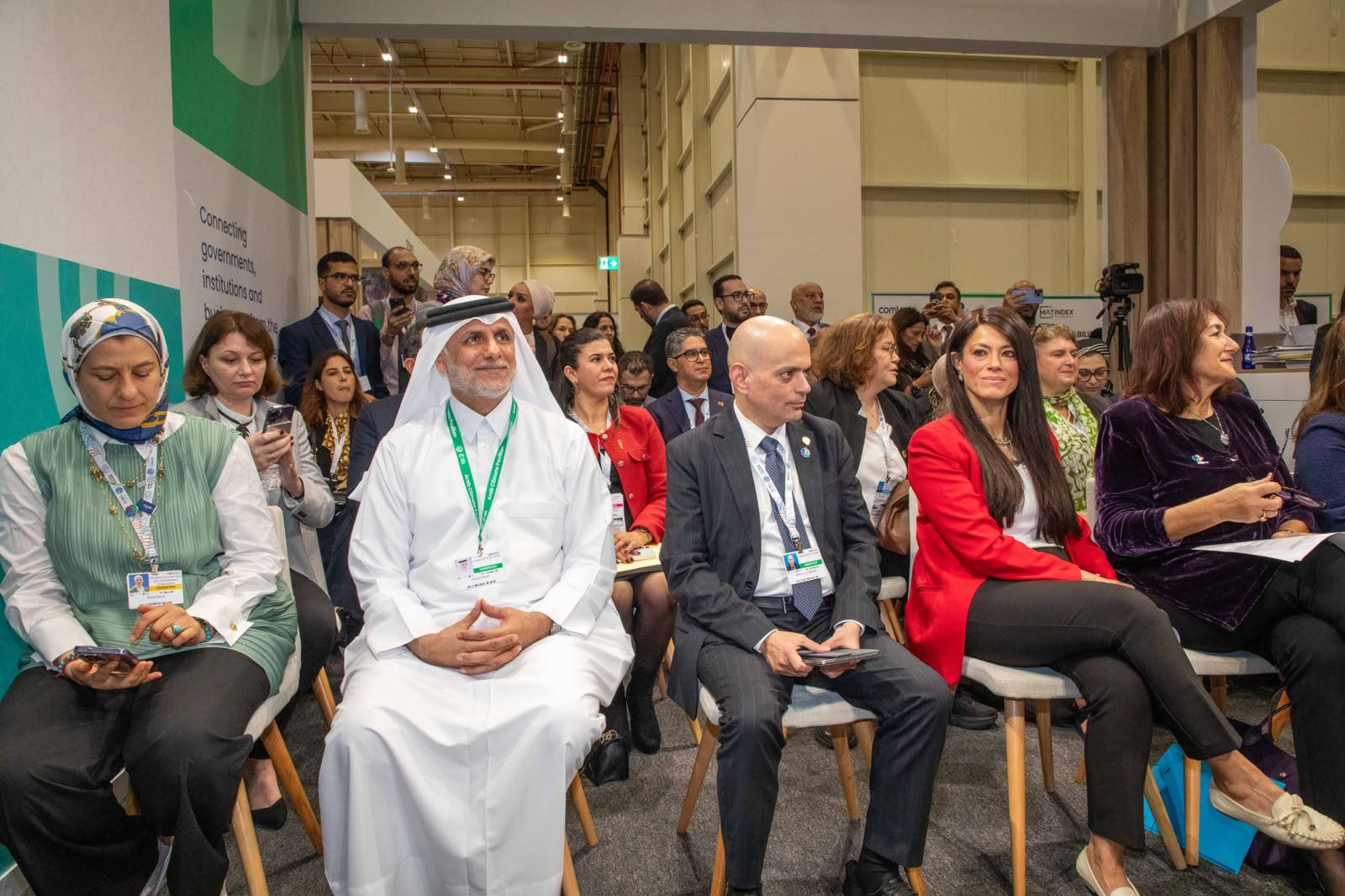
The first of its kind in the Mediterranean, the centre was announced during a session titled “Financing the Energy Transition in the Arab Region and the Mediterranean.” The session took place in the Blue Zone at the pavilion of the League of Arab States and the Gulf Organisation for Research and Development (GORD).
The centre will strengthen coordination among investors and improve how renewable energy projects are financed across the region. It will bring together stakeholders, facilitate the exchange of knowledge and expertise, and provide technical assistance to build a larger pipeline of projects ready for financing and investment.
A particular focus will be helping small and medium-sized renewable energy projects meet lenders’ requirements and connecting bankable projects with financial institutions and potential investors. The aim is to close financing gaps and expand private-sector participation in the clean energy transition.
The session brought together representatives of regional and international organisations, financing institutions and the private sector to discuss the main barriers to renewable energy investment and opportunities to accelerate the Mediterranean’s energy transition.
Dr. Rania Al-Mashat, United Nations Under-Secretary-General and Executive Secretary of the United Nations Economic and Social Commission for Western Asia (ESCWA), said TeraMED’s ambition to reach one terawatt of renewable energy capacity in the Mediterranean by 2030 gives regional cooperation a shared target and a clear strategic direction.
She said linking Mediterranean cooperation with the development of the Arab Common Electricity Market could help align investments and increase their impact. Achieving these ambitions, she added, would require investment in electricity grids and supportive policies and regulatory frameworks to help renewable energy projects move ahead and strengthen their economic viability.
Charafat Afilal, Morocco’s Minister of Energy, Mines and Sustainable Development, highlighted the Arab region’s and the Mediterranean’s considerable solar and wind energy potential. She said closer cooperation between the two shores of the Mediterranean could turn the region into a major hub for renewable energy generation and development.
Afailal said TeraMED’s ambition to reach one terawatt of installed renewable energy capacity by 2030 and mobilise an estimated US$700 billion in investment reflects the scale of both the opportunities and the challenges facing the region. Realising that potential, she added, would require governments, financial institutions and the private sector to work together and create an investment environment that supports a sustainable energy transition.
Dubravka Šuica, European Commissioner for the Mediterranean, said clean energy could strengthen ties between the two shores of the Mediterranean, create quality jobs, improve industrial competitiveness and support regional economies. She stressed that realising these benefits would require substantial investment.
Šuica welcomed the launch of the centre, describing its target of US$20 billion in investment commitments by 2028 as an important step towards mobilising finance and developing regional projects.
She said the Trans-Mediterranean Renewable Energy and Clean Technology Cooperation Initiative (T-MED), part of the European Union’s Pact for the Mediterranean, aims to mobilise €25 billion by 2035 to support renewable energy, power grids, electricity interconnections and clean technologies.
Its first call for projects identified 38 bankable projects representing an estimated €148 billion in potential investment across seven partner countries, including Morocco, Tunisia and Egypt. Šuica said supportive regulatory frameworks and access to suitable financing were essential to accelerating the transition away from fossil fuels.
Dr. Jawad El Kharraz, Senior Adviser in the TeraMED Coordination Unit, said expanding access to finance would require closer cooperation among institutions and better coordination among partners in the Arab region and the Mediterranean.
He said the centre would facilitate the exchange of knowledge and best practices, provide technical assistance, support policy alignment and develop a pipeline of regional projects. It would also match projects with investment opportunities and suitable sources of finance, working closely with regional organisations, regulators, financial institutions and the private sector.
Iskander Erzini Vernoit, Co-Founder and Executive Director of the IMAL Initiative for Climate and Development, which co-hosts the TeraMED Coordination Unit, said the centre would help scale up sustainable investment in renewable energy across North Africa and the Eastern Mediterranean. He said it would complement existing regional financing systems by addressing gaps in underserved parts of the market, particularly among small and medium-sized renewable energy projects.
The Arab Network for Environment and Development (RAED) coordinates TeraMED’s work in the Arab countries of the Eastern and Southern Mediterranean. RAED supports the participation of Arab institutions and helps align regional initiatives and efforts to build a secure, sustainable, clean and integrated Mediterranean energy system.