RAED Expresses Solidarity with Tunisia and Algeria and Calls for Stronger Regional Cooperation to Address Wildfires and the Impacts of Climate Change
Statement by the Arab Network for Environment and Development (RAED)
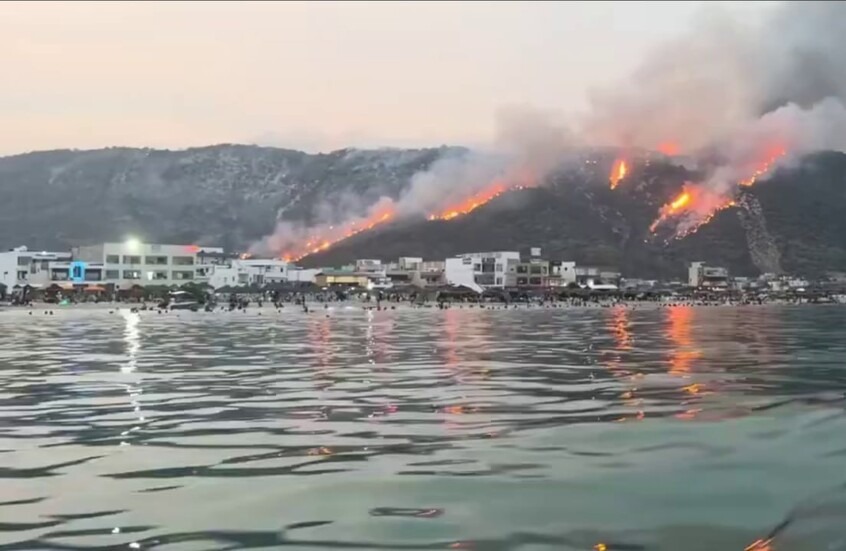
The Arab Network for Environment and Development (RAED) expresses its deep solidarity with the governments and peoples of the Republic of Tunisia and the People’s Democratic Republic of Algeria as they confront an unprecedented wave of wildfires that has swept across large areas of both countries, causing environmental and economic losses and threatening human lives, biodiversity, and natural resources.
RAED extends its sincere appreciation to civil protection and firefighting teams, the armed forces, volunteers, and all other entities making exceptional efforts to bring the fires under control and mitigate their impacts. The Network expresses its hope that this disaster will be contained as swiftly as possible and that the lives of citizens and the safety of local communities will be protected.
RAED stresses that the situation unfolding in Tunisia and Algeria, alongside the extensive wildfires affecting several European countries, clearly reflects the escalating climate risks facing the Mediterranean region, which is among the areas of the world most vulnerable to the impacts of climate change, including increasingly severe and frequent heatwaves, droughts, and wildfires.
The Network also notes that successive international warnings, including recent warnings issued by the Executive Secretary of the United Nations Framework Convention on Climate Change (UNFCCC), confirm that the world is entering a new phase of climate-related risks. This underscores the urgent need to accelerate the transition towards clean energy systems, strengthen climate adaptation policies, and increase investment in the protection of ecosystems and natural resources.
In this context, Dr. Emad Adly, General Coordinator of RAED, called on Arab governments and regional and international organizations to expand mechanisms for joint cooperation in wildfire prevention, facilitate the exchange of expertise and modern technologies, and strengthen national capacities for disaster management. He also emphasized the importance of developing early warning systems and increasing investment in sustainable forest management and the restoration of affected areas, thereby reducing wildfire risks and enhancing community resilience.
For his part, Eng. Abdelrazek Messaad, RAED National Coordinator in Algeria, stressed that recent experiences have demonstrated that wildfires have become a transboundary challenge that no country can confront alone. He highlighted the importance of establishing effective regional partnerships for the exchange of information and expertise and strengthening cooperation in prevention and rapid response, while simultaneously addressing the root causes of climate change in order to safeguard natural resources and enhance environmental security across the region.
Similarly, Dr. Youssef Nouri, RAED Coordinator in Tunisia, emphasized that wildfires can no longer be regarded merely as a seasonal phenomenon, but have become one of the clearest indicators of the worsening climate crisis in the Mediterranean region. He called for greater priority to be given to sustainable forest management, support for local communities, and the expansion of awareness-raising and prevention programmes, considering these measures a first line of defence in reducing wildfire risks and protecting biodiversity.
RAED reiterates its commitment to continuing its work with partners across Arab countries and the wider region to strengthen cooperation in addressing the impacts of climate change. This includes building the capacities of civil society organizations, supporting initiatives aimed at protecting forests and natural resources, and contributing to a future that is more adaptive and resilient in the face of increasingly frequent environmental disasters.