RAED Launches First Community Dialogue to Support the Objectives of the TeraMED Initiative in Upper Egypt
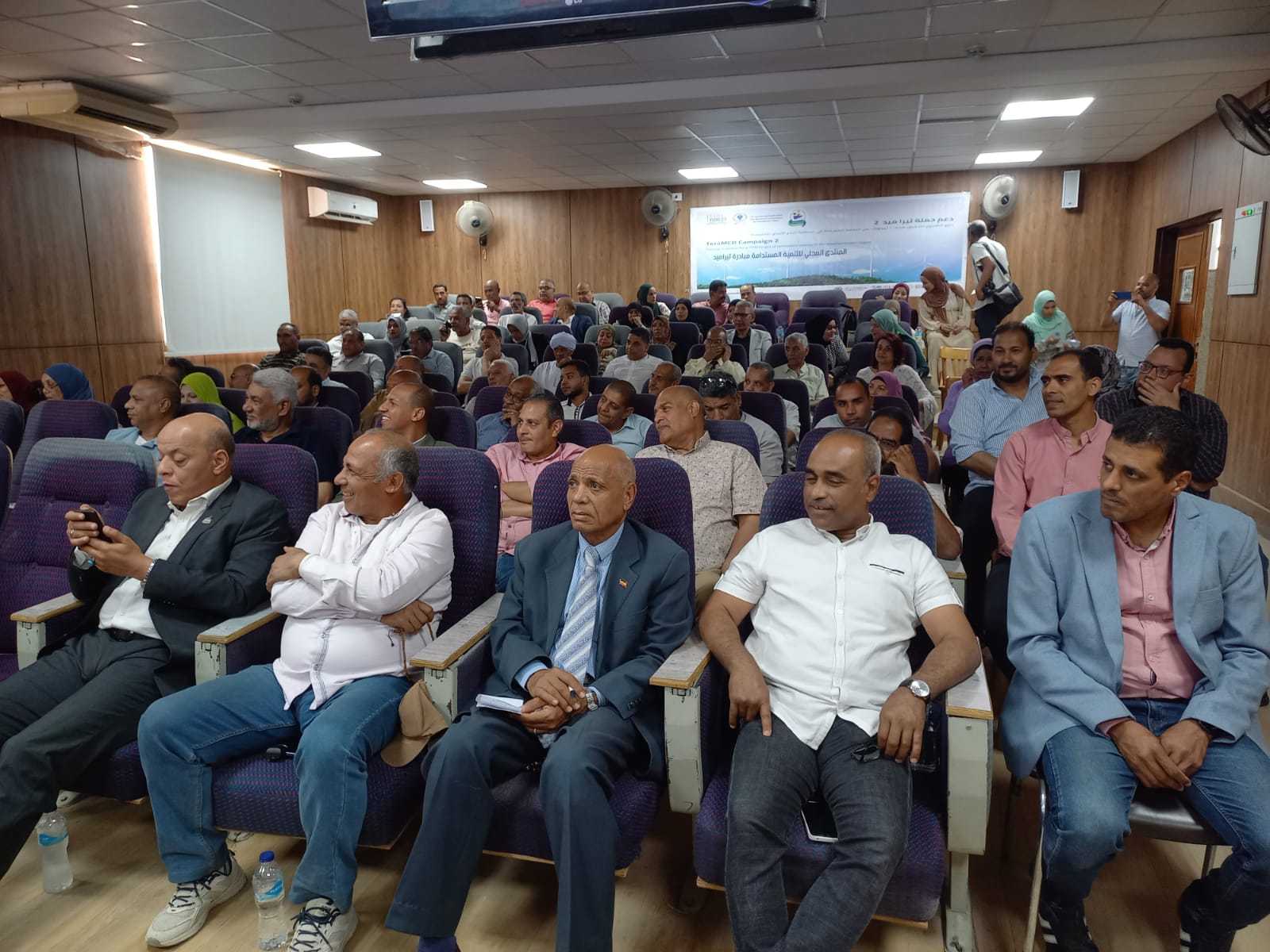
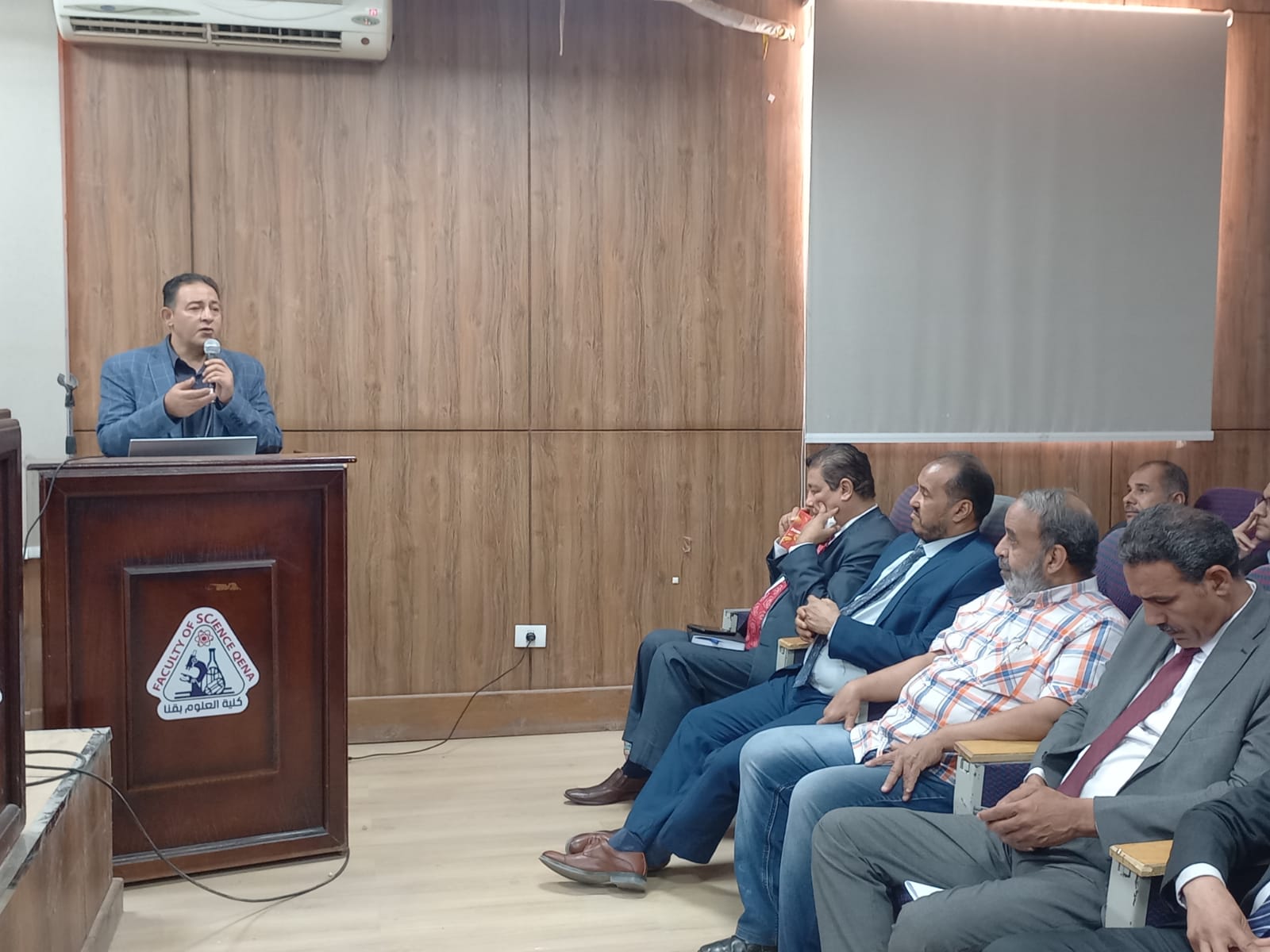
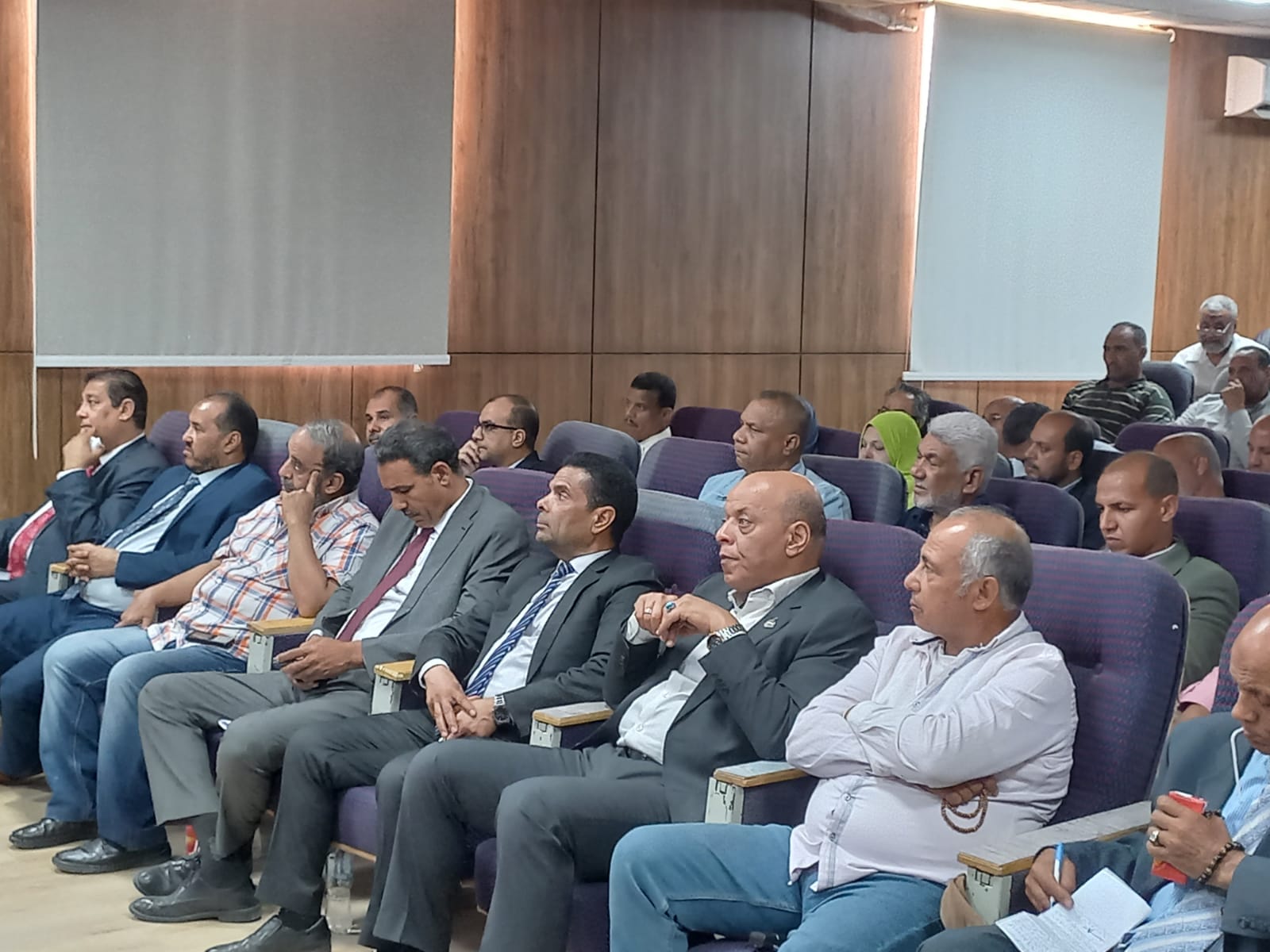
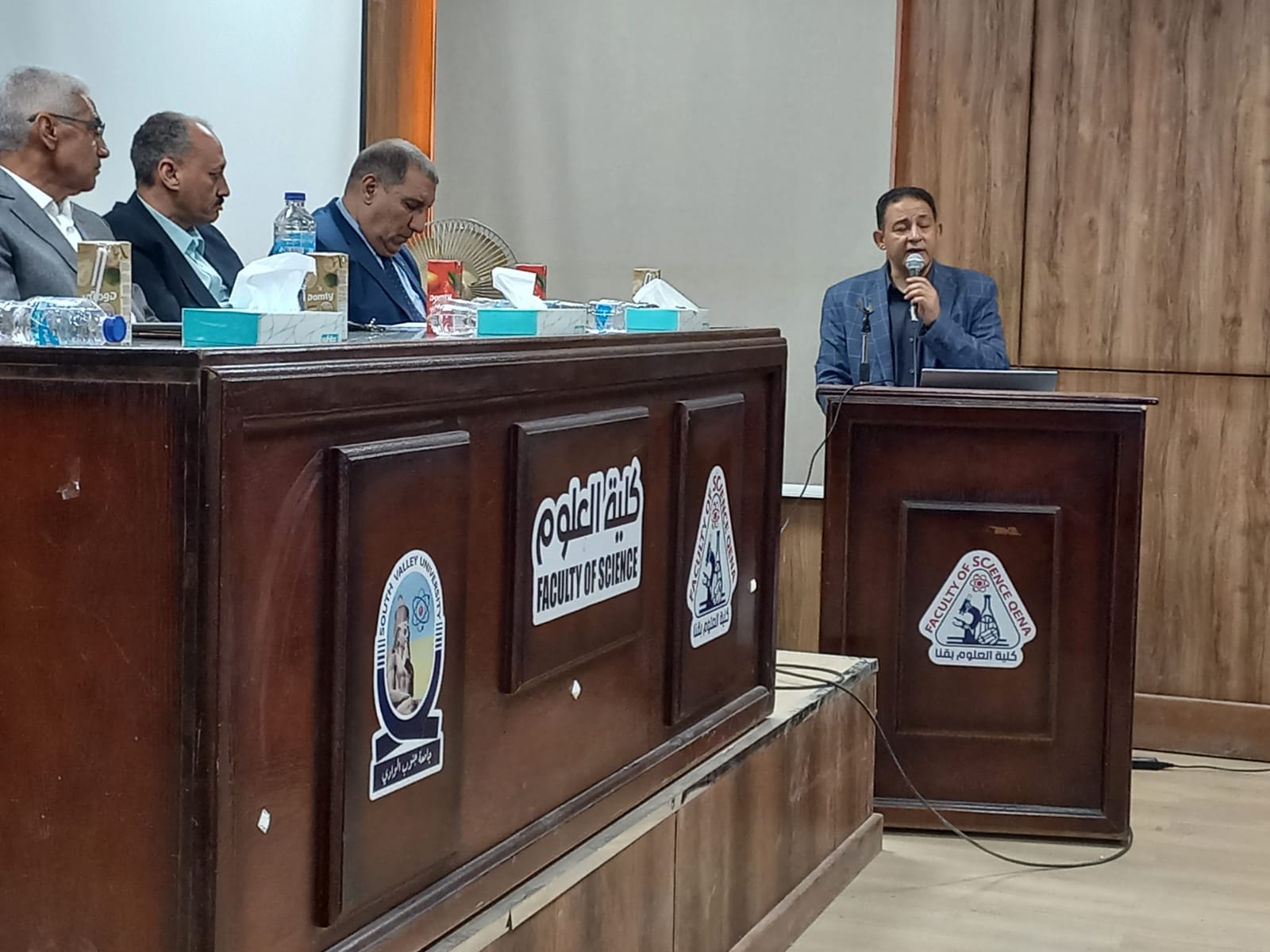
Qena hosted the first community dialogue launched by the Arab Network for Environment and Development (RAED) to support the objectives of the TeraMED Initiative in the governorates of Upper Egypt. The event was held within the framework of the strategic partnership between RAED and the Egyptian Sustainable Development Forum (ESDF). The Local Sustainable Development Forum in Qena organized the dialogue session on 13 May 2026, hosted by the Faculty of Science at Qena University, with the participation of a number of experts, specialists, executive officials, and representatives of Local Sustainable Development Forums from Qena, Luxor, Aswan, and the Red Sea governorates.
The dialogue aimed to strengthen advocacy efforts for expanding the use of clean energy, build the capacities of local communities, and raise awareness of initiatives that support the green transition, in line with national efforts to achieve the Sustainable Development Goals. Haitham Abdel Azim, Project Manager at RAED, emphasized that the TeraMED Initiative is one of the most prominent regional initiatives aimed at accelerating a just transition towards clean energy in the Mediterranean region, by supporting national policies and enhancing the contribution of civil society to environmental and economic development efforts.
Abdel Azim added that the initiative aims to increase renewable energy production capacity to one terawatt by 2030 at the regional level, helping to reduce carbon emissions by up to 75%. This, he noted, makes civil society a key partner in leading the green transition across the Mediterranean region. He further explained that the initiative is based on an integrated approach that brings together governments, regional organizations, and civil society institutions to ensure a sustainable and inclusive transition.
He stressed that the objectives of the TeraMED Initiative are not limited to environmental dimensions, but also extend to stimulating green investments, creating new job opportunities, and improving quality of life in Mediterranean countries. In this regard, he underlined the importance of intensifying awareness campaigns on the risks of climate change and promoting a culture of clean energy use through training and media programmes, in addition to supporting local solar energy projects, improving energy efficiency, and transferring modern technologies to remote communities.
For her part, Hoda El-Saady, Rapporteur of the National Council for Women in Qena and Chair of the Local Sustainable Development Forum in Qena, stated that the community dialogue seeks to support the achievement of the TeraMED Initiative’s objectives, while also promoting a culture of rational electricity consumption. She noted that the initiative represents an important step towards the transition to clean energy and is aligned with the Sustainable Development Goals and efforts to address climate change. She further affirmed that RAED’s leadership of this initiative will enhance regional cooperation in the fields of energy, environmental protection, and green investment.
El-Saady added that the Local Sustainable Development Forum in Qena, through the close partnership between RAED and ESDF, chaired by Dr. Emad Eldin Adly, works to raise community awareness of the importance of transitioning to clean energy. This is achieved through cooperation with civil society organizations and stakeholders concerned with environmental issues, with the aim of supporting the use of renewable energy and expanding green projects.
Dr. Alaa Eldin El-Qasaby, Professor of Sociology, highlighted the importance of relying on renewable energy sources due to their broad economic and social benefits, including reducing debt burdens, creating new job opportunities, and improving environmental quality and public health, thereby supporting sustainable development efforts. He noted that reducing dependence on fossil fuels helps limit the impact of global energy price fluctuations and alleviates pressure on the state budget. He also pointed out that the transition to clean energy could add billions of Egyptian pounds to the national economy by 2050. He emphasized that renewable energy is no longer merely an environmental choice, but has become an economic and social necessity because of its role in improving quality of life and reducing financial burdens.
Dr. Abbas Mansour, former President of South Valley University, warned of the direct impacts of climate change on the geological environment, noting that it contributes to soil degradation, increased desertification rates, and changes in groundwater patterns, all of which threaten ecosystem stability and sustainable development in Upper Egypt. He explained that rising temperatures and changing rainfall patterns directly affect geological formations, particularly in arid areas. He stressed that desertification is among the most serious consequences of climate change, as it poses a threat to agricultural land and food security.
Mansour called for expanding the use of renewable energy as one of the key solutions to mitigate the impacts of climate change. He also emphasized the importance of cooperation among universities, executive institutions, and civil society organizations in spreading environmental awareness and supporting sustainable development plans. He noted that Qena is among the areas most affected by climate change due to its dry geographical nature and its heavy dependence on agricultural activity.
In his remarks, Dr. Mohamed Youssef, Vice Dean of the Faculty of Science for Graduate Studies and Research, stated that addressing climate change and reducing carbon emissions is a collective responsibility that requires concerted efforts by governments, civil society, and the private sector. He explained that renewable energy and tree planting are two essential pillars for achieving sustainable development, stressing the importance of strengthening cooperation between academic institutions and civil society to spread environmental awareness and encourage the green transition.
Yehia Farrag, Sector Head at the Agricultural Bank of Egypt in Qena Governorate, affirmed the bank’s interest in promoting the use of renewable energy. He explained that the Agricultural Bank provides several advantages to companies and individuals in financing renewable energy projects, including facilities and simplified procedures. He also expressed the bank’s readiness to cooperate with NGOs and civil society organizations to present these opportunities within agricultural communities.
At the conclusion of the meeting, participants recommended the need to promote a culture of renewable energy use among different groups, with a particular focus on youth, women, and students. They also called for expanding solar energy projects in government institutions, schools, and service facilities. In addition, participants recommended supporting biomass projects in rural villages, providing incentives to reduce the prices of equipment used in clean energy production, and encouraging citizens to rationalize electricity and water consumption as an essential part of environmental protection efforts.
The recommendations also emphasized the importance of strengthening partnerships among government bodies, civil society organizations, and the private sector to promote renewable energy applications. Participants further called for the regular organization of training courses and awareness seminars, as well as the integration of sustainability and clean energy concepts into educational and cultural activities. They also stressed the need to support scientific research and innovation in the fields of energy efficiency and clean technology, and to enhance the role of the media in raising awareness of energy, environmental, and sustainable development issues, contributing to the green transition and a more sustainable future in Upper Egypt and Egypt as a whole.