Union for the Mediterranean Adopts 2030 Action Plan for Civil Protection and Disaster Risk Management
The Cypriot capital, Nicosia, hosted the Third Euro-Mediterranean Workshop on Fire Risks, organized by the Union for the Mediterranean (UfM) in cooperation with the European Commission’s Directorate-General for European Civil Protection and Humanitarian Aid Operations, on 7 and 8 May. The workshop brought together a wide range of policymakers and civil protection experts from across the Euro-Mediterranean region, coinciding with the adoption of the Regional Action Plan for Civil Protection and Disaster Risk Management up to 2030.
The workshop was held under the patronage of the Cypriot Presidency of the Council of the European Union, as part of efforts to translate political commitments on disaster management into practical implementation mechanisms that enhance the preparedness of Mediterranean countries to confront the growing risks posed by climate change and cross-border disasters.
The Action Plan was officially adopted in April 2026, following a series of consultations with Member States. It was first presented during the 10th UfM Regional Forum, held in Barcelona in November 2025, with the participation of the 43 Member States, marking the 30th anniversary of the Barcelona Process.
The new plan represents the most comprehensive regional framework for cooperation in civil protection across the Euro-Mediterranean region. It sets out an integrated roadmap to strengthen prevention, preparedness, response and recovery systems, with a focus on developing early warning systems, conducting joint exercises, establishing unified risk assessment mechanisms, and gradually working towards the creation of a Mediterranean Civil Protection Framework that complements the European Union Civil Protection Mechanism.
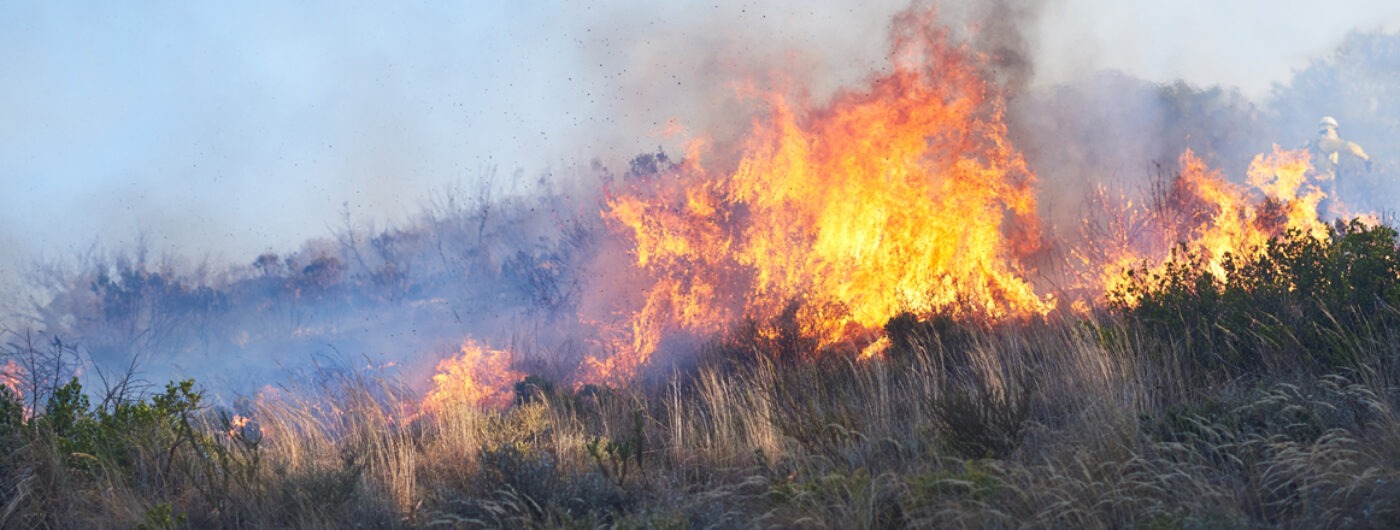
The Third Workshop in Nicosia marked the first major practical meeting held within the framework of implementing the new Action Plan, following the previous two editions hosted by Tunisia in 2024 and Barcelona in 2025. Discussions focused on forest fires and industrial fires, including risks associated with chemical plants, ports and energy infrastructure located along the dense industrial corridors of the Mediterranean Basin.
Participants emphasized that industrial and environmental risks are no longer confined within national borders but can spread within minutes. This has been demonstrated by previous incidents witnessed in the region’s ports and chemical facilities, underscoring the need to adopt integrated and cross-sectoral strategies to address emergencies and disasters.
These developments come at a time when the Mediterranean region is facing an unprecedented escalation in climate-related risks. Estimates indicate that the Mediterranean Basin is warming at a rate around 20% higher than the global average. In 2024, several European countries witnessed large-scale fires, while 2025 was recorded as the worst wildfire season in the European Union since systematic records began in 2006, with burned areas exceeding one million hectares.
The workshop also addressed ways to harness modern technology in disaster management, including the use of space services and satellite technologies for the early detection of fires, artificial intelligence tools for risk forecasting and decision-support, and the strengthening of governance related to cross-border risk management.
Participants stressed the importance of enhancing the preparedness of local communities and promoting a culture of prevention, alongside developing forest management plans and strengthening regional coordination, as key elements in confronting the growing impact of climate-related disasters.
The official launch of the Cyprus Regional Aerial Firefighting Centre, scheduled for 2026, is expected to represent a new practical step towards building a permanent and shared operational structure for disaster response in the Mediterranean region.
Joan Borrell Mayor, Deputy Secretary General of the Union for the Mediterranean for Stability and Resilience, stated that regional cooperation is no longer an option, but an urgent necessity in the face of cross-border disasters. He emphasized that the Cyprus workshop and the new Action Plan represent a model for moving from political commitments to practical measures capable of enhancing the region’s preparedness to address shared risks.