RAED examines opportunities and challenges for the Arab region’s energy transition at COP31 in Antalya
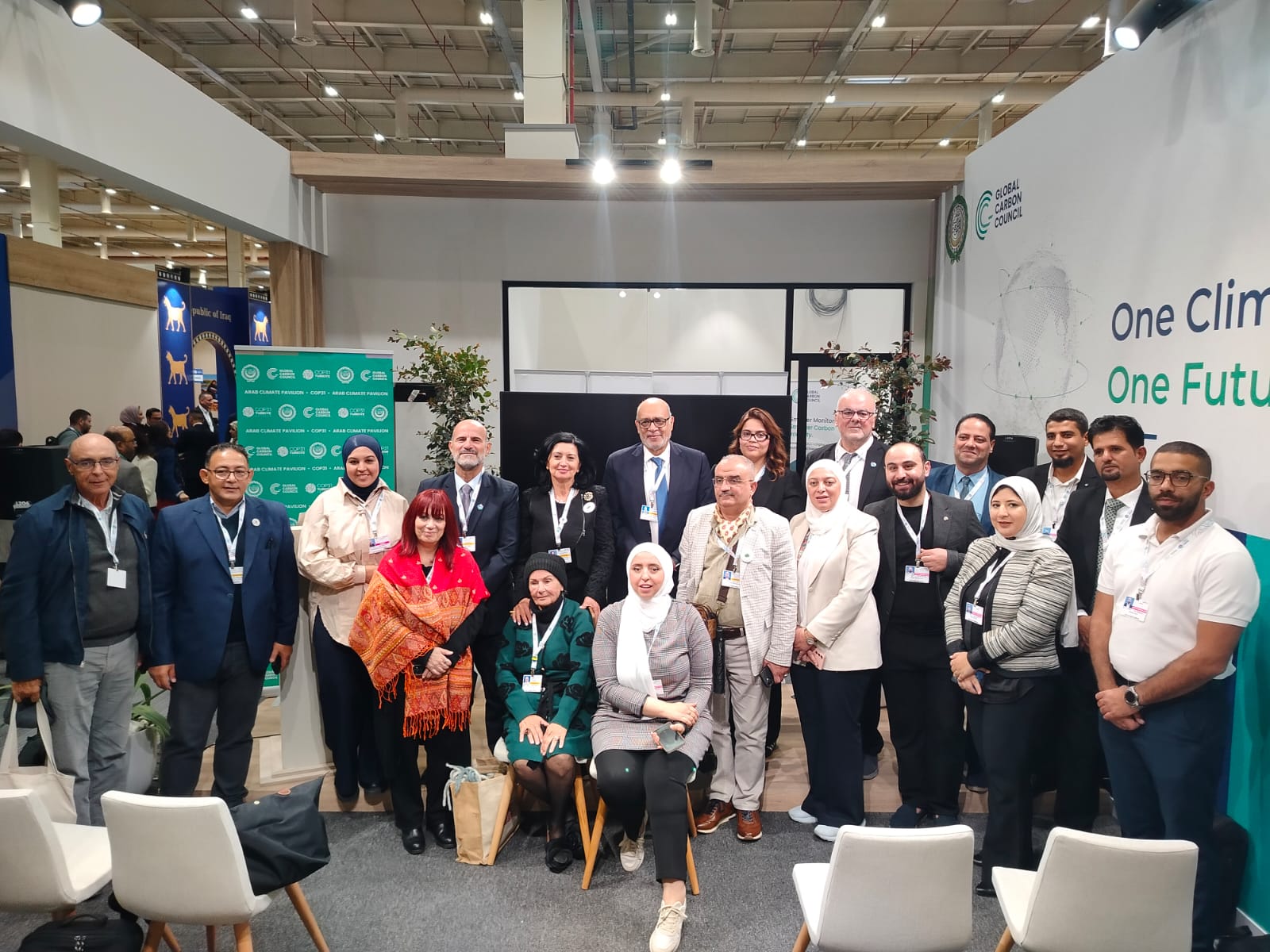
The Arab Network for Environment and Development (RAED) held its first COP31 side event on Tuesday, 10 November 2026, at the Arab Climate Pavilion in Antalya, Türkiye. Titled “The Energy Transition between Opportunities and Challenges: The TeraMED Initiative,” the event took place during the 31st Conference of the Parties to the United Nations Framework Convention on Climate Change (UNFCCC).
The discussion explored opportunities and challenges in the Arab region’s shift towards new and renewable energy, with a focus on expanding financing and investment in clean energy projects. It also examined how governments, the private sector, regional and international institutions, and civil society can help accelerate the transition and strengthen renewable energy supply chains.
Dr. Emad Adly, General Coordinator of RAED, moderated the session. Speakers included Eng. Abir Yahyaoui, a senior officer for the Middle East and North Africa at the Natural Resource Governance Institute (NRGI), and Dr. Maged Karam Mahmoud, Executive Director of the Regional Center for Renewable Energy and Energy Efficiency (RCREEE).
Financing renewable energy projects was at the centre of the discussion, as access to finance remains a major challenge to accelerating the region’s green transition. Participants stressed the importance of effective public–private partnerships and a greater role for financial, regional and international institutions in providing concessional financing, investment guarantees and technical assistance. These measures can help reduce investment risks and attract capital to clean energy projects.
The session showcased business models and activities under TeraMED, whose work RAED leads at the regional level. It highlighted the initiative’s role in promoting the adoption of new and renewable energy technologies and encouraging civil society organisations to take an active part in the energy transition. Participants also discussed how international institutions can provide climate finance instruments and technical assistance to support renewable energy policy development and increase investment in the sector.
The discussion also examined how civil society organisations, academic institutions and development partners can raise awareness of energy efficiency and support small and medium-sized enterprises working in renewable energy, particularly in rural and remote areas. Such efforts can help extend the economic, social and environmental benefits of the energy transition to more communities.