Strengthening Regional Monitoring to Tackle Marine Litter Pollution in the Mediterranean
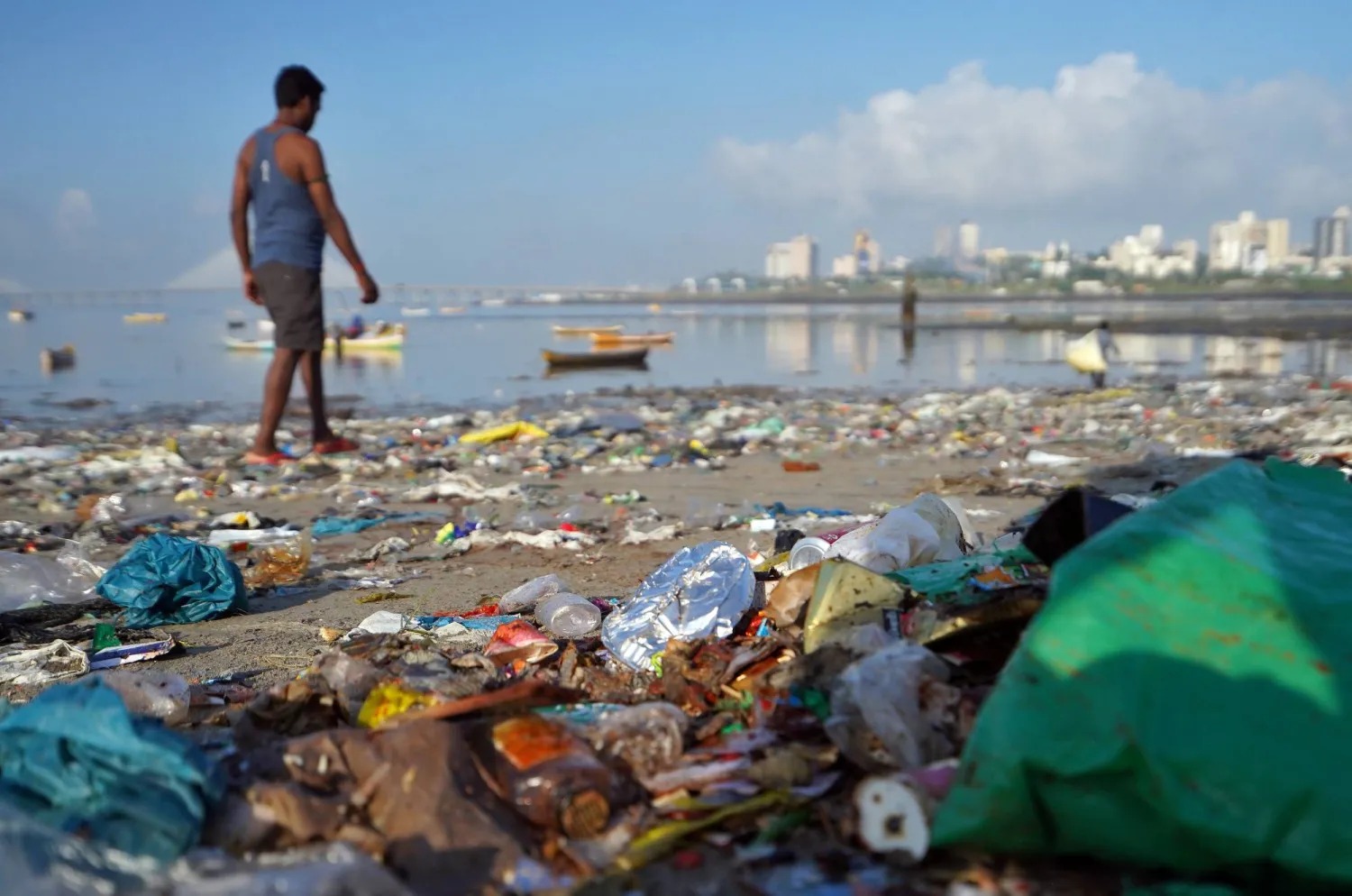
Environmental pressures on the Mediterranean Sea are intensifying as marine litter continues to pose growing risks not only to beaches and coastal areas, but also to marine ecosystems, fisheries, tourism, food security, and the livelihoods of millions of people in coastal communities.
Against this backdrop, the Water and Environment Support – Biodiversity and Climate Action (WES-BCA) project implemented a regional activity entitled “Contributing to Mediterranean Monitoring and Reporting Programmes for the Prevention and Reduction of Marine Litter Impacts.” The activity represents an important step towards strengthening the capacity of Southern Mediterranean countries to monitor and report on marine litter and to transform environmental data into a more effective tool for policymaking and decision-making.
The activity’s findings highlighted marine litter, particularly plastic waste and single-use products, as one of the major pressures affecting the Mediterranean environment, causing significant harm to marine species and habitats while generating wider economic and social impacts.
Despite existing regional monitoring programmes under the United Nations Environment Programme/Mediterranean Action Plan (UNEP/MAP) and the European Union, marine litter assessment continues to face significant challenges. These include gaps in data on quantities, types, sources and impacts, differences in monitoring methodologies, shortcomings in guidance and quality assurance, and limited coordination among relevant stakeholders.
The activity aimed to support partner countries in implementing more effective marine litter monitoring and reporting programmes in line with the Regional Plan on Marine Litter Management under the Barcelona Convention, while expanding the application of monitoring methodologies across different marine components and matrices.
A key milestone was the regional webinar held in February 2026, which brought together representatives from the eight partner countries, alongside government institutions, regional organisations, academia, civil society organisations and the private sector.
The webinar addressed policy and regulatory frameworks, national and regional experiences, best practices, data management and reporting. It also provided a platform for exchanging expertise and discussing the technical and institutional challenges affecting marine litter monitoring.
The activity confirmed that improving data quality and harmonising methods for data collection and analysis are essential for moving beyond simply measuring the scale of the problem towards developing more effective policies to prevent marine litter and reduce its impacts.
Discussions also supported the implementation of marine litter monitoring protocols under the Integrated Monitoring and Assessment Programme of the Mediterranean Sea and Coast (IMAP), highlighting the importance of data harmonisation, quality assurance and directly linking monitoring results to decision-making processes.
At the same time, the discussions identified a continued need to strengthen technical capacities, harmonise monitoring methodologies and improve coordination among stakeholders. They also highlighted the importance of better integrating national data into the regional IMAP framework, particularly where available datasets do not yet meet established standards.
The activity will culminate in the preparation of a regional assessment report bringing together the assessment findings, webinar outcomes, and insights from participants and experts. The report aims to provide a more comprehensive picture of current marine litter monitoring and reporting practices and to formulate practical recommendations for strengthening monitoring systems and improving decision-making.
The initiative reflects a growing Mediterranean-wide shift towards a more integrated regional system built on knowledge, reliable data, cooperation and the exchange of expertise. Such an approach can strengthen countries’ capacity to address marine pollution and transform environmental monitoring from a data-collection exercise into an effective instrument for policymaking and the protection of natural resources.
The Water and Environment Support – Biodiversity and Climate Action (WES-BCA) project is implemented through a regional consortium that includes the Arab Network for Environment and Development (RAED) and several Mediterranean institutions and organisations. The project supports environmental and biodiversity protection, sustainable water resources management, climate change adaptation and stronger environmental policies within the framework of Mediterranean cooperation.