Lebanese Environment Forum Launches Community Dialogue on the TeraMed Initiative and Support for the Renewable Energy Transition
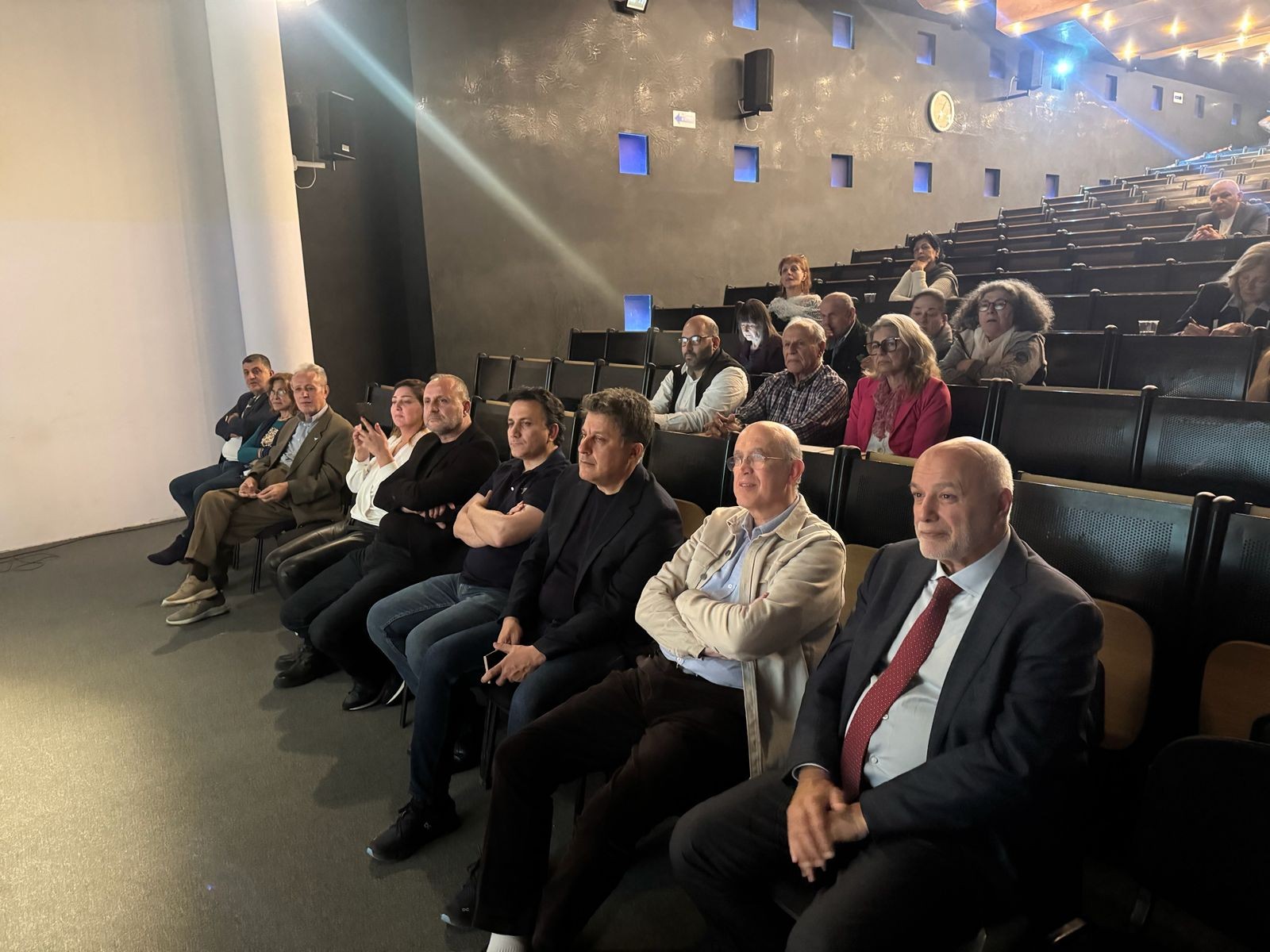
The Lebanese Environment Forum, a member of the Arab Network for Environment and Development (RAED), in cooperation with the American University of Technology in Beirut (AUT), organized a national dialogue seminar on renewable energy within the framework of the TeraMed Initiative. The initiative is led by RAED in partnership with several Mediterranean organizations and with the support of the Union for the Mediterranean, aiming to contribute to the target of reaching one terawatt of clean and renewable energy capacity in the Mediterranean Basin by 2030.
The seminar was held as part of a series of activities implemented by RAED and its partners across South and East Mediterranean countries to strengthen the role of civil society organizations in supporting the transition towards sustainable energy and to expand community dialogue on issues related to a just energy transition, ensuring balanced economic, social, and environmental development.
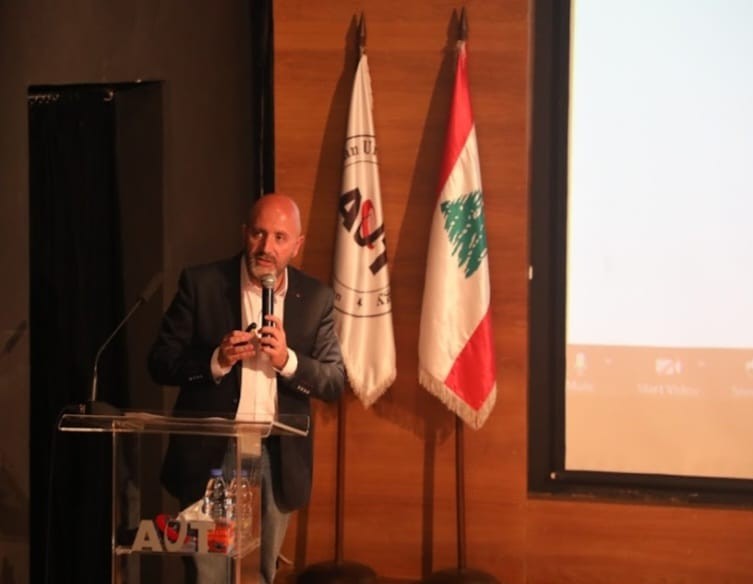
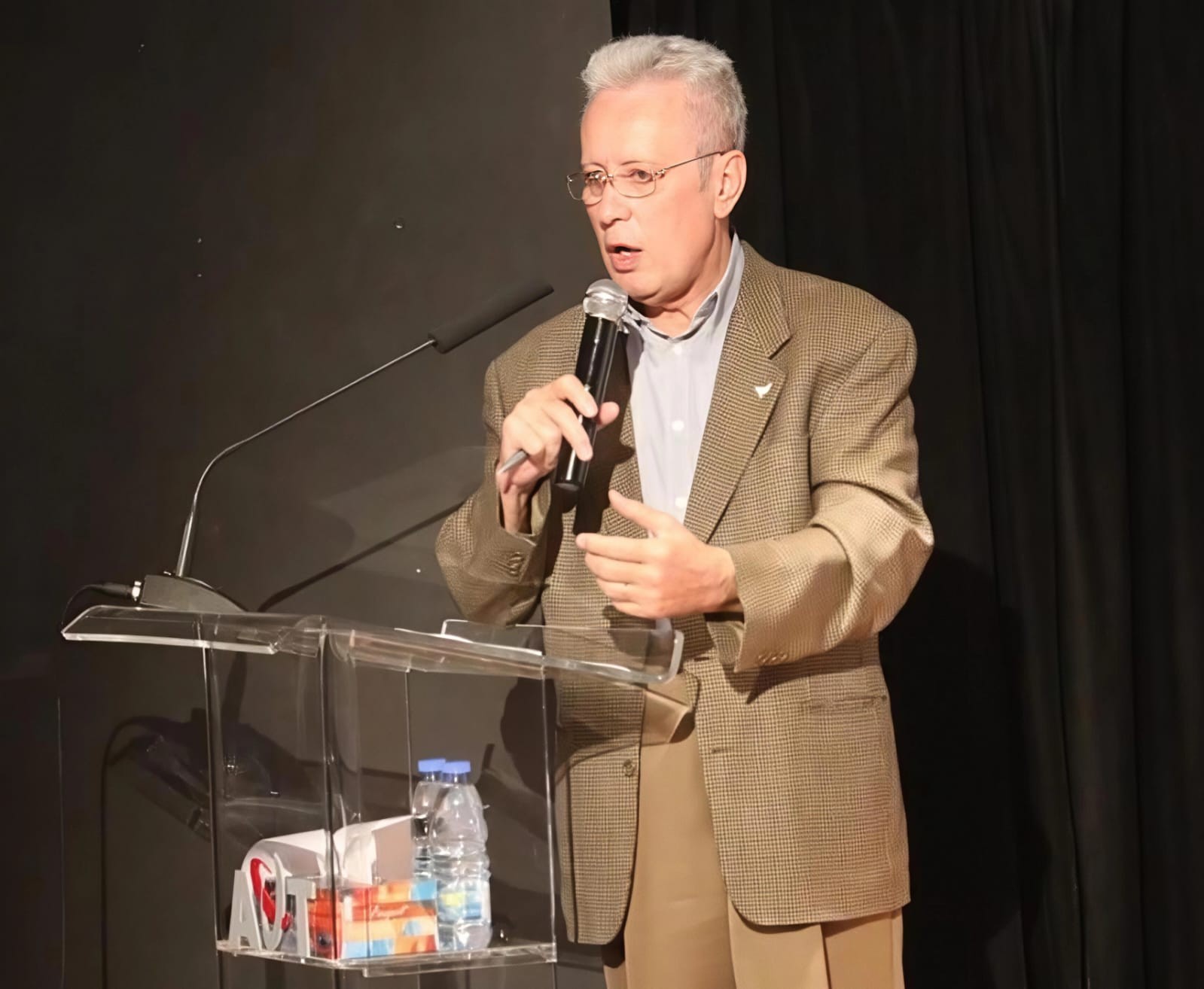
The seminar was opened by Dr. George Ramouz, Professor at the American University of Technology, who presented the programme of the meeting and introduced the participating speakers. He emphasized the importance of expanding the use of renewable energy sources, as well as the role of digital technologies and artificial intelligence in supporting sustainable development efforts and improving the efficiency of resource and energy management.
Dr. Marcel Hanine, Vice President of the American University of Technology, welcomed the participants, commending the cooperation between the university and the Lebanese Environment Forum. He highlighted the importance of partnerships between academic institutions and civil society organizations in raising environmental awareness and developing joint initiatives that support sustainability.
Eng. Malek Ghandour, President of the Lebanese Environment Forum, reviewed the objectives of the TeraMed Initiative, pointing to the leading role played by RAED in coordinating the efforts of Arab civil society organizations and promoting cooperation among various stakeholders to support the transition to renewable energy in the region.
The President of the Lebanese Environment Forum also stressed the importance of building effective partnerships between civil society associations, academic institutions, government bodies, and the private sector to develop clean energy tools and policies, considering them among the most important solutions for addressing climate change challenges, improving quality of life, and enhancing opportunities for sustainable development.
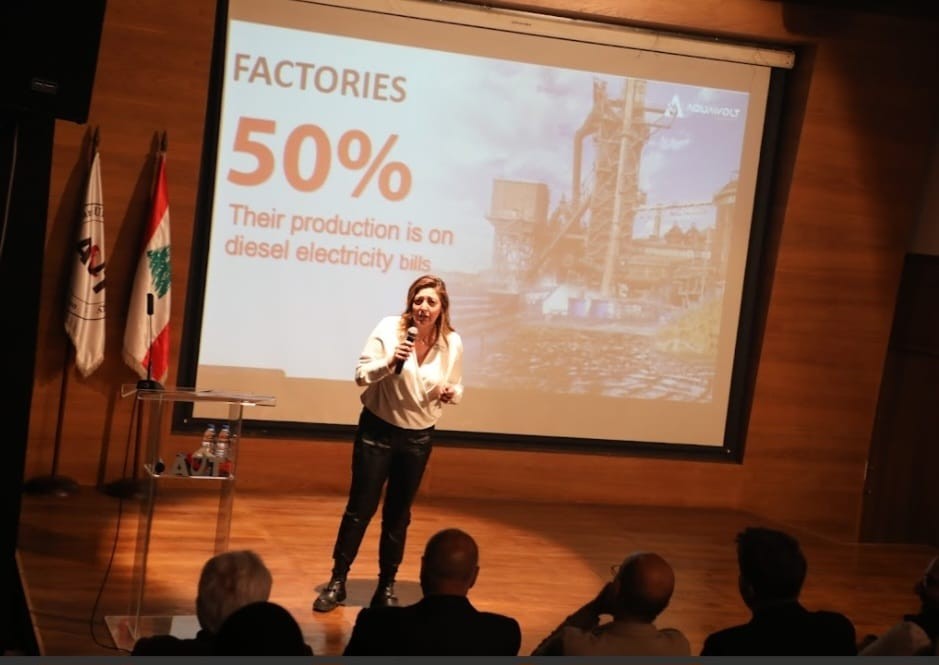
The seminar featured three specialized technical presentations addressing different aspects of energy and sustainability. Dr. Robert Basmadjian presented several successful experiences in energy management and their role in supporting economic development and improving resource-use efficiency. Dr. Adi Saeed discussed the potential of the plastics industry and ways to utilize it in energy production within circular economy models. Dr. Doris Chaya delivered a presentation on water and wastewater energy management, highlighting available technologies for municipalities, companies, and the public sector to increase reliance on clean energy sources.
The seminar concluded with an extensive discussion session involving participants and speakers, during which views and experiences were exchanged, participants’ questions were addressed, and a few best practices and recommendations were discussed to support the pathway towards a just energy transition in Lebanon and the Arab region.
Participants emphasized the importance of continuing the efforts led by RAED to strengthen the role of civil society in shaping and implementing policies that support renewable energy and accelerate the transition towards more sustainable and equitable energy systems. These efforts contribute to achieving the objectives of the TeraMed Initiative and supporting sustainable development and climate action pathways in South and East Mediterranean countries.