RAED Coordinator in Algeria Participates in the WISER Project Closing Conference in Tunisia to Enhance Climate Information Services in the Region
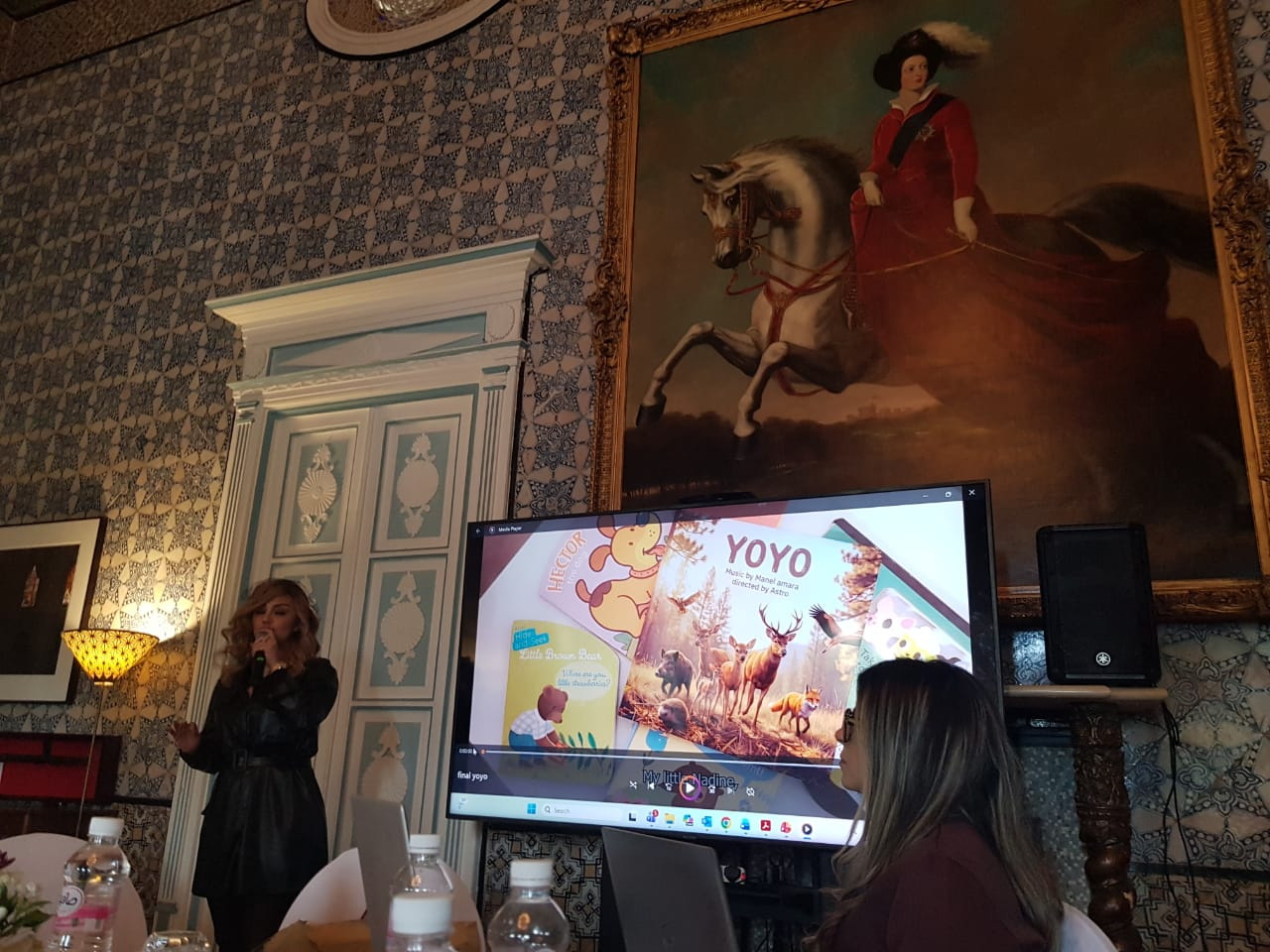
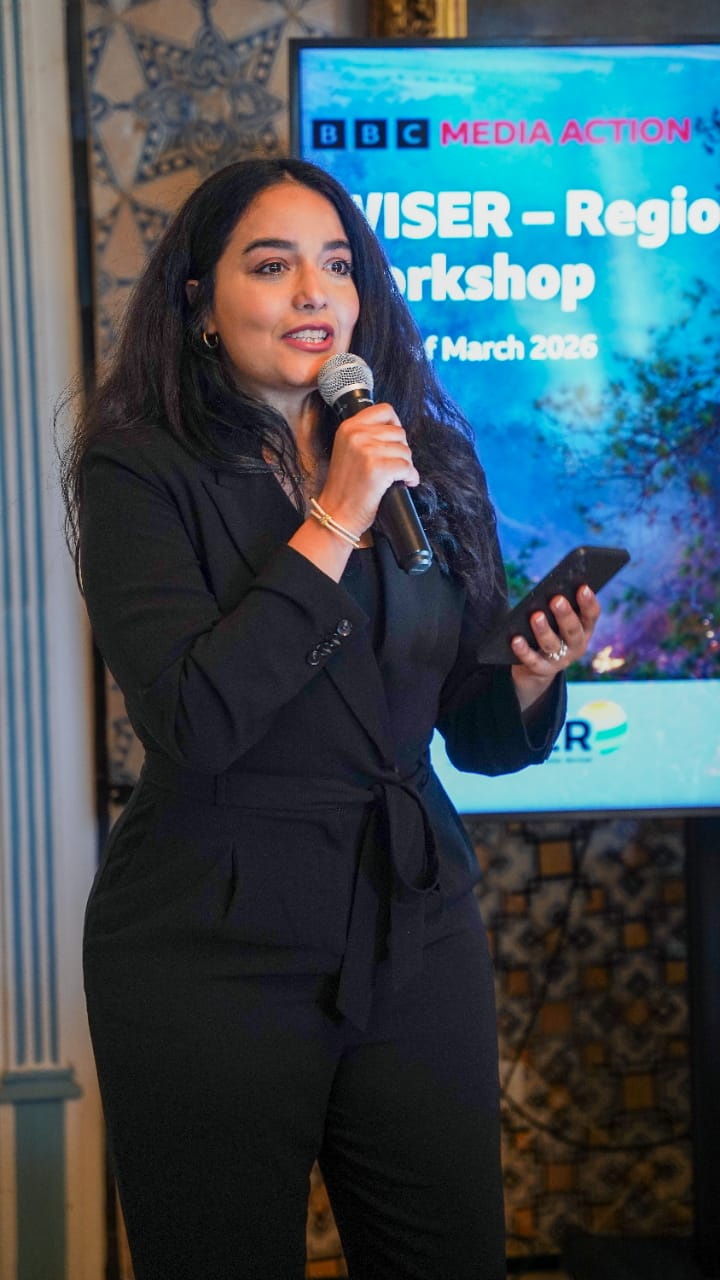
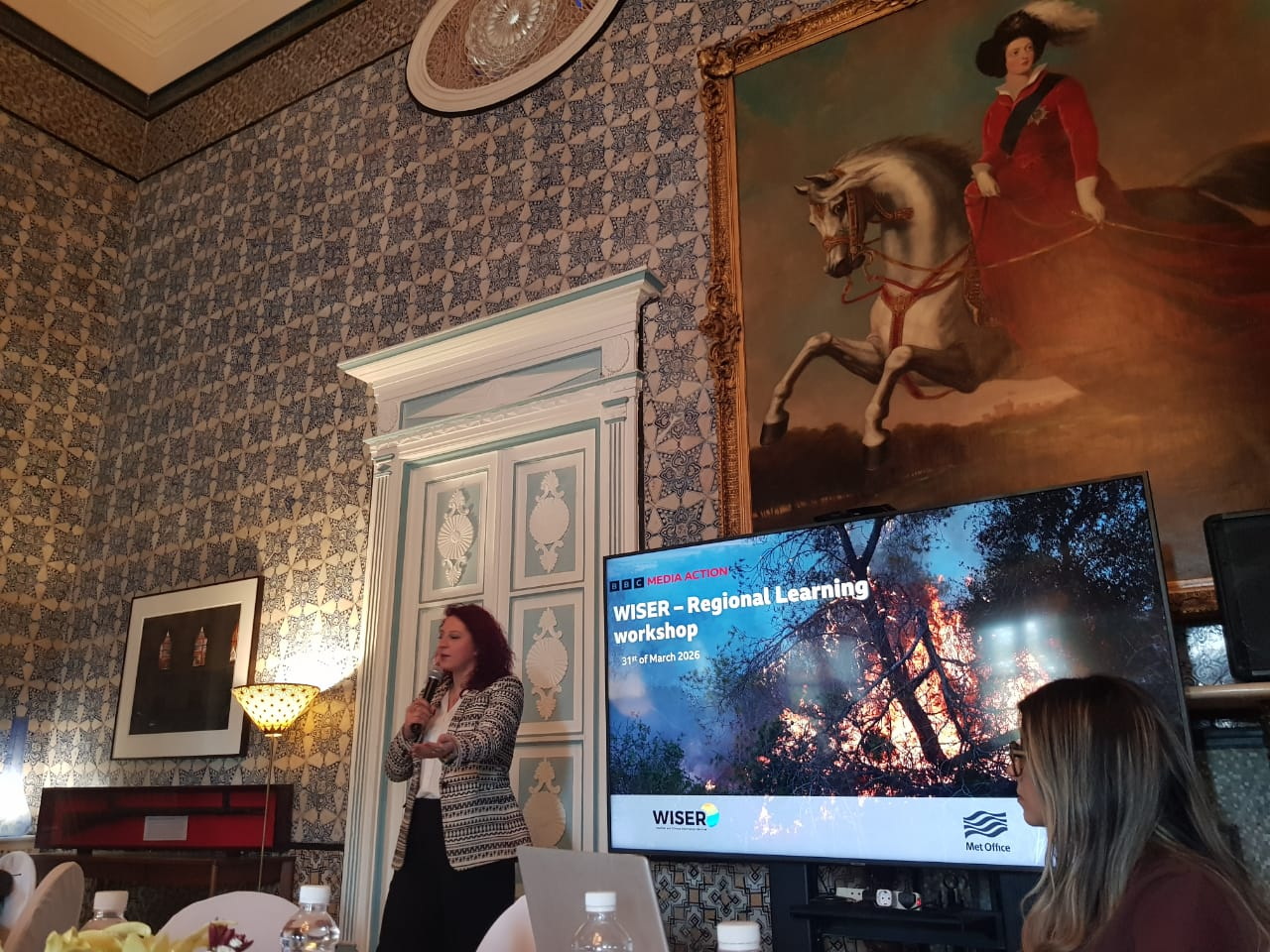
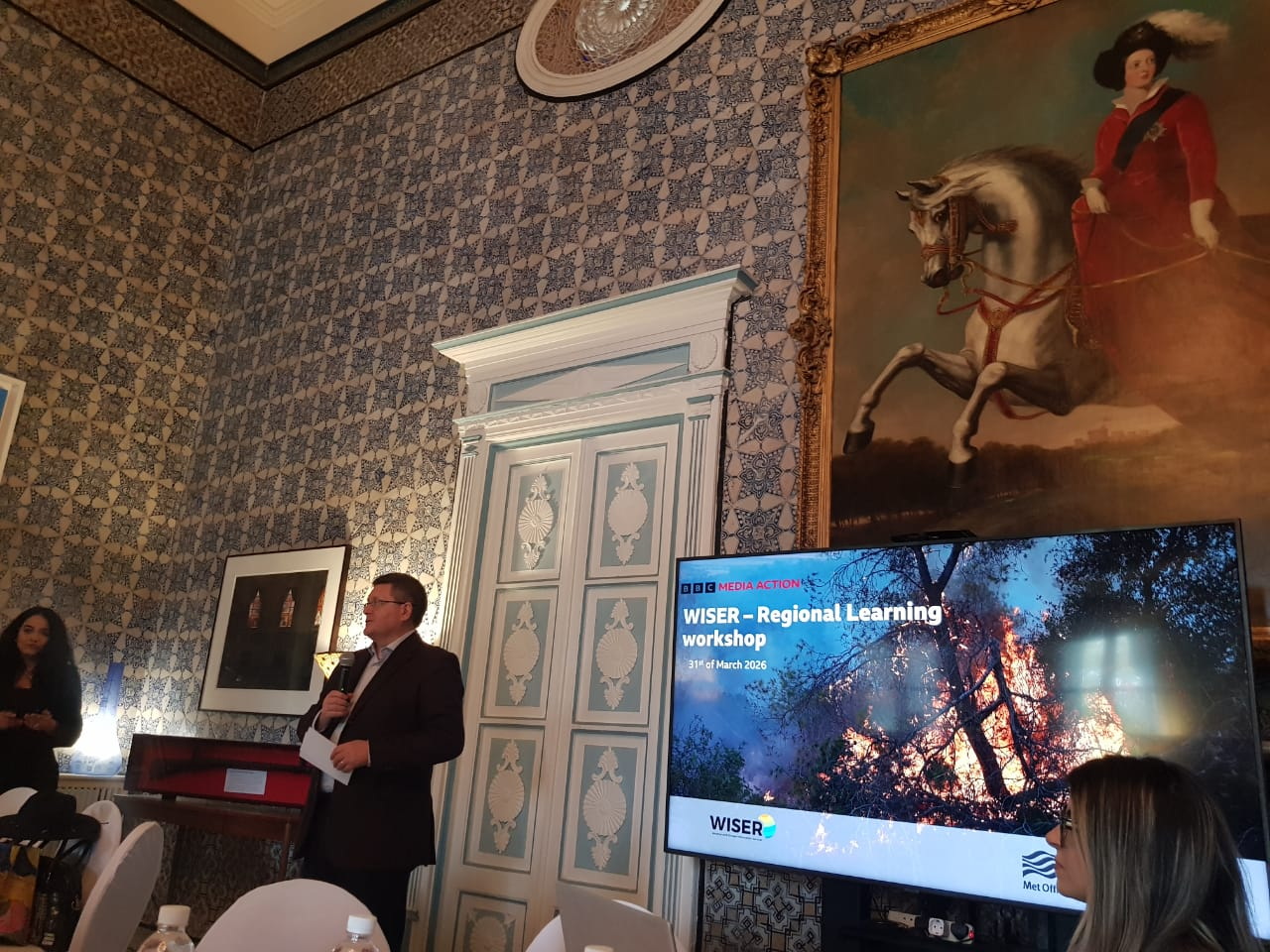
The Arab Network for Environment and Development (RAED) participated in the closing conference of the Weather and Climate Information Services for Africa (WISER) project, hosted in Tunis, Tunisia, with broad regional and international participation. The event formed part of joint efforts to improve the quality and accessibility of weather and climate information services for the most vulnerable communities across the Middle East and North Africa (MENA) region.
RAED was represented at the event by Eng. Abdelrazak Amsa’ad, RAED Coordinator in Algeria and President of the Algerian Network for Environment and Climate Change. The conference was held at the residence of the British Ambassador in Tunisia, marking the culmination of a regional collaboration aimed at developing effective tools to support communities in addressing escalating climate challenges.
The WISER project is implemented under the Weather and Climate Information Services for Africa programme, led by the UK Met Office, in partnership with BBC Media Action. The initiative focuses on developing climate services that are practical and accessible to marginalized communities, particularly those exposed to droughts, floods, heatwaves, and increasing climate variability.
The project adopts a participatory approach that brings together humanitarian actors, meteorological services, media institutions, and local communities, with the objective of integrating weather and climate information into local decision-making processes. It also seeks to strengthen cooperation among Maghreb countries, particularly Tunisia and Algeria, through knowledge exchange and shared experiences.
In Algeria, the project implemented a series of field studies and baseline research in the provinces of Tizi Ouzou and Béjaïa. Six focus group discussions were conducted with men and women from local communities to assess how populations access weather, climate, and wildfire information, how they use such information, and to identify their priorities and information needs. The research also examined challenges faced by journalists in covering climate-related issues.
According to the President of the Algerian Network for Environment and Climate Change, the findings revealed a noticeable confusion among participants between the concepts of weather and climate. Weather was generally associated with daily conditions and temperatures, while climate remained less clearly understood and was often directly linked to climate change.
Despite this conceptual confusion, the study highlighted growing awareness among local populations of climate change impacts. Participants reported observable changes such as longer summers, rising temperatures, shorter winters, declining snowfall, and increasing heatwaves and drought periods.
The findings also documented the impacts of these changes across multiple sectors, including physical and mental health, water resources, agricultural production, and biodiversity. In addition, participants demonstrated increasing awareness of the link between climate change and forest fires, emphasizing the role of human activities as a major contributing factor.
The study further recorded firsthand testimonies from residents regarding the losses and trauma experienced due to forest fires, reflecting the significant social and economic impacts of these events. The outputs of these studies will be used to guide capacity-building programmes for media partners and to design and disseminate simplified information products, including advisory bulletins, radio messages, and audiovisual and digital content.
These products aim to transform weather and climate data into actionable information that supports individuals and communities in making informed daily decisions, such as determining planting schedules, managing livestock, preparing for extreme weather events, and protecting vulnerable groups.
The WISER project contributes to strengthening the adaptive capacity of rural households, particularly women and youth, by helping them anticipate climate risks, reduce losses, and enhance local resilience. The initiative also represents an important addition to national and regional efforts to manage drought and flood risks and supports the implementation of climate adaptation policies in both Tunisia and Algeria, while strengthening cooperation across the Maghreb and the broader Middle East and North Africa region.
This regional collaboration underscores that improving weather and climate information services is no longer optional, but an urgent necessity considering accelerating climate change impacts, ultimately enhancing communities’ ability to confront challenges and build a more sustainable and resilient future.