RAED Warns of Environmental Consequences of Military Escalation in the Region and Expresses Solidarity with Arab Countries
Targeting Nuclear, Energy, and Industrial Facilities Threatens Cross-Border Disaster; Dialogue Remains the Path to Stability
The Arab Network for Environment and Development (RAED) is closely monitoring with deep concern the rapidly escalating military operations in the Middle East, warning that the repercussions of this escalation are no longer confined to security and humanitarian dimensions but have dangerously extended to complex environmental threats whose impacts may reach a wide regional and international scale.
In this context, RAED affirms its full and unwavering solidarity with the countries and peoples of the Gulf region, Lebanon, Jordan,Syria, Iraq, and Palestine, emphasizing the importance of regional solidarity in addressing the current challenges and the urgent need to protect people’s assets and natural resources from the risks of escalation.
The Network stresses that war remains the worst possible option for both humanity and the environment, given the widespread destruction, depletion of resources, and devastation of life-support systems it leaves behind. RAED underscores that constructive dialogue and peaceful diplomatic pathways remain the only viable means to address crises and resolve conflicts, in ways that preserve the security and stability of peoples while protecting the environment.
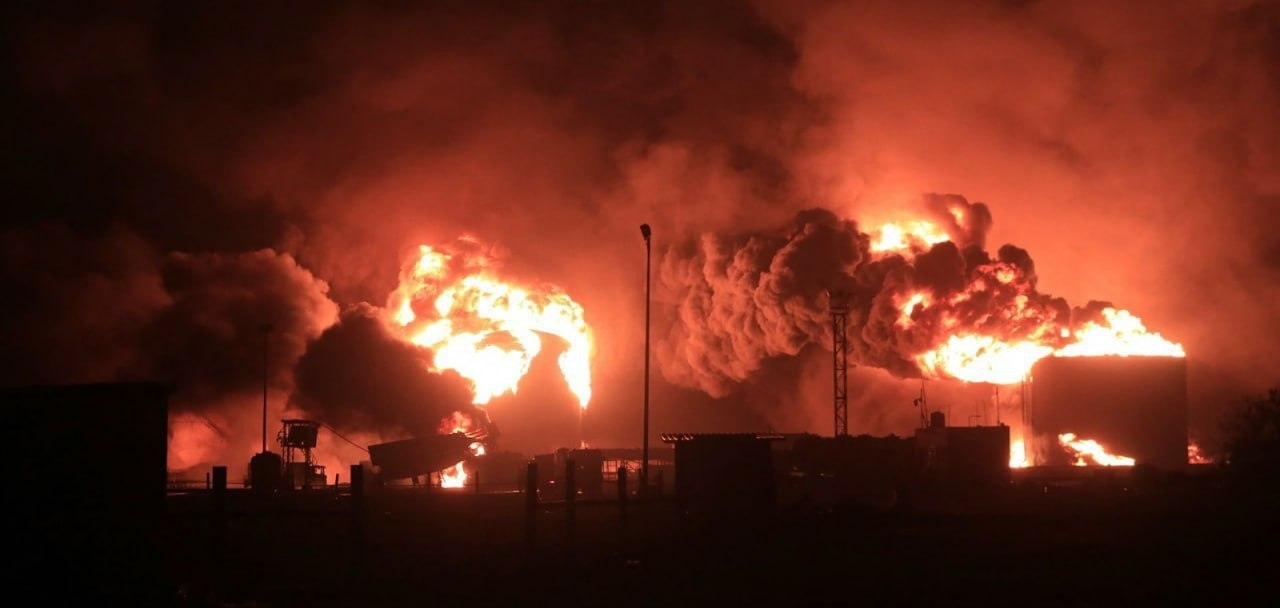
RAED further warns that targeting nuclear facilities, energy plants, and industrial complexes during ongoing military operations raises the prospect of catastrophic scenarios, including the risks of radioactive leakage, toxic chemical emissions, and the release of massive quantities of pollutants that directly affect air, water, and soil quality. The Network also notes that these impacts do not stop at national borders but extend across countries, threatening ecosystems and the health of millions of people within and beyond the region.
The Network also highlights that the destruction of critical infrastructure, including water treatment plants and sanitation networks, would exacerbate pollution levels, increase the likelihood of disease outbreaks, degrade agricultural lands, and accelerate biodiversity loss, at a time when the region is already facing severe environmental challenges, particularly climate change and resource scarcity.
RAED further emphasizes that armed conflicts represent one of the most dangerous non-traditional threats to the environment, as they disrupt sustainable development efforts, deplete natural resources, and increase societal vulnerability, particularly in conflict-affected areas.
In this regard, the Network calls for strict adherence to the principles of international humanitarian law and urges that environmental and critical facilities be kept outside the scope of military targeting, particularly nuclear facilities, energy infrastructure, and industrial zones, given the potentially catastrophic consequences that could result from their damage, consequences that may be difficult to contain or remediate.
RAED also expresses its support for positions advocating de-escalation and prioritizing political solutions, which would help contain crises, prevent further expansion of conflict, maintain regional stability, and enhance prospects for sustainable peace.
In conclusion, the Arab Network for Environment and Development (RAED) renews its call on the international community to assume its responsibilities in halting escalation and taking urgent and effective measures to protect natural resources and environmental infrastructure, to prevent the region from sliding into a prolonged environmental catastrophe that threatens both present and future generations.