RAED Participates in a Regional Workshop in Jordan on the Climate, Women, Peace and Security Nexus
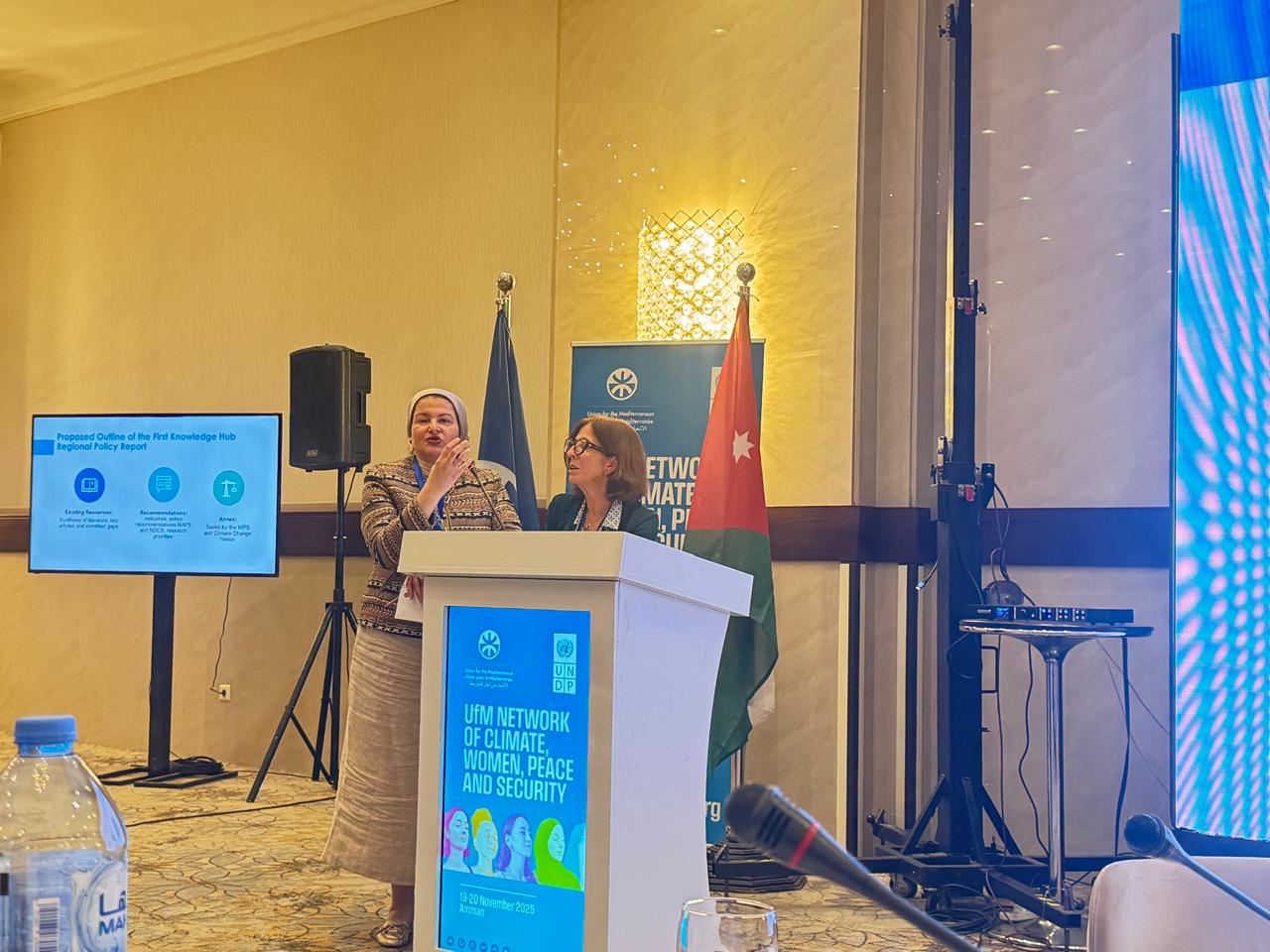
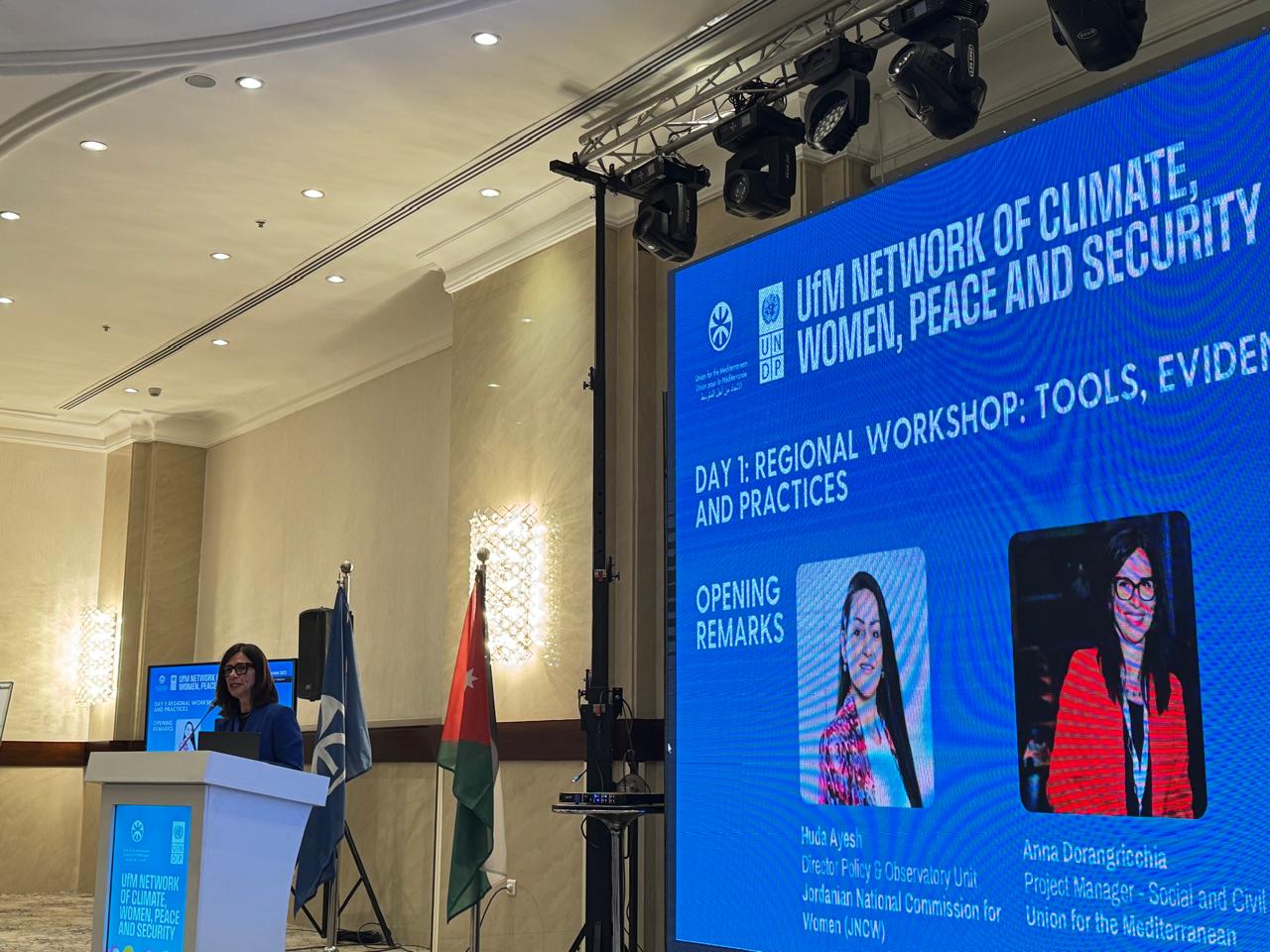
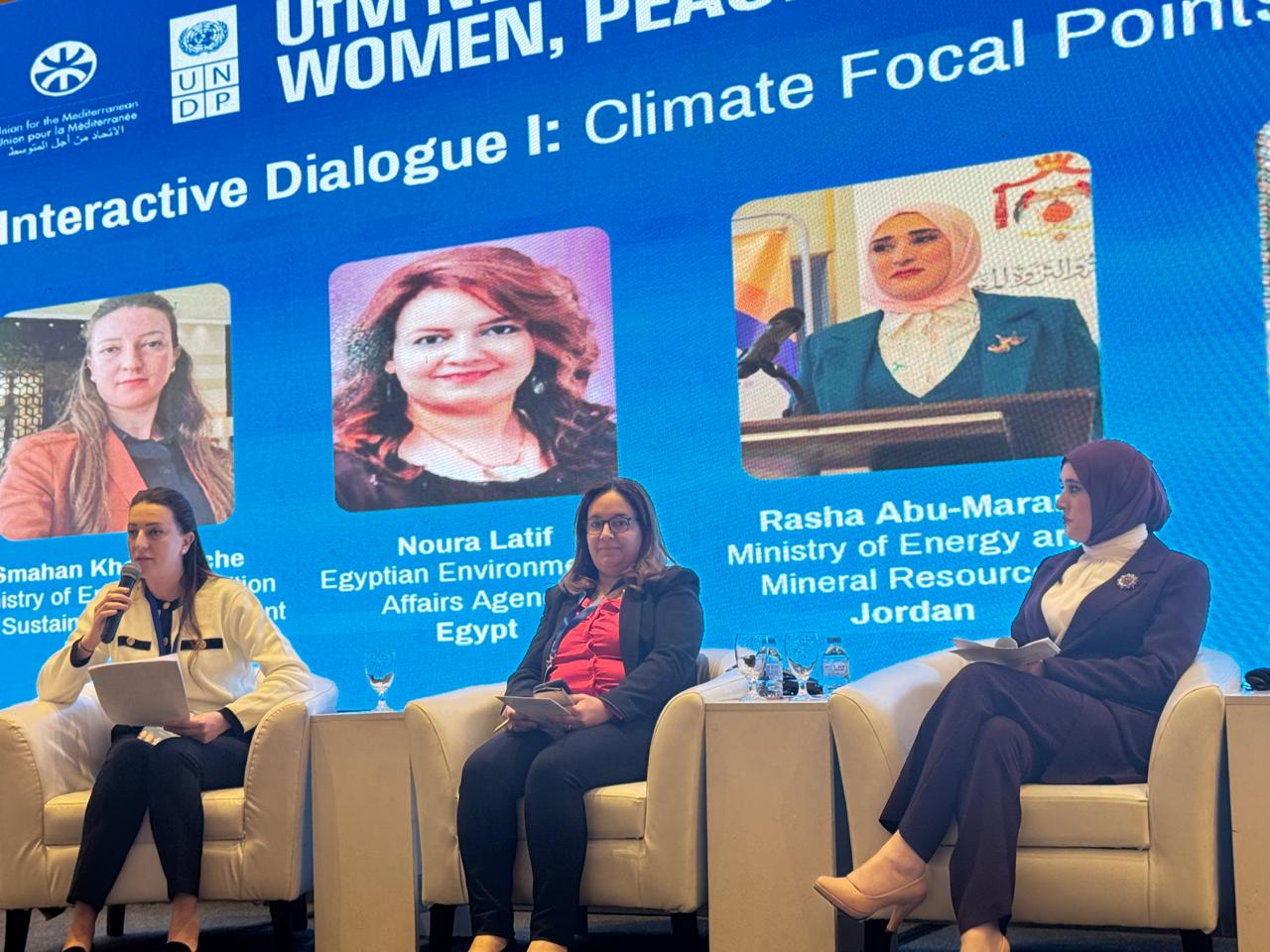
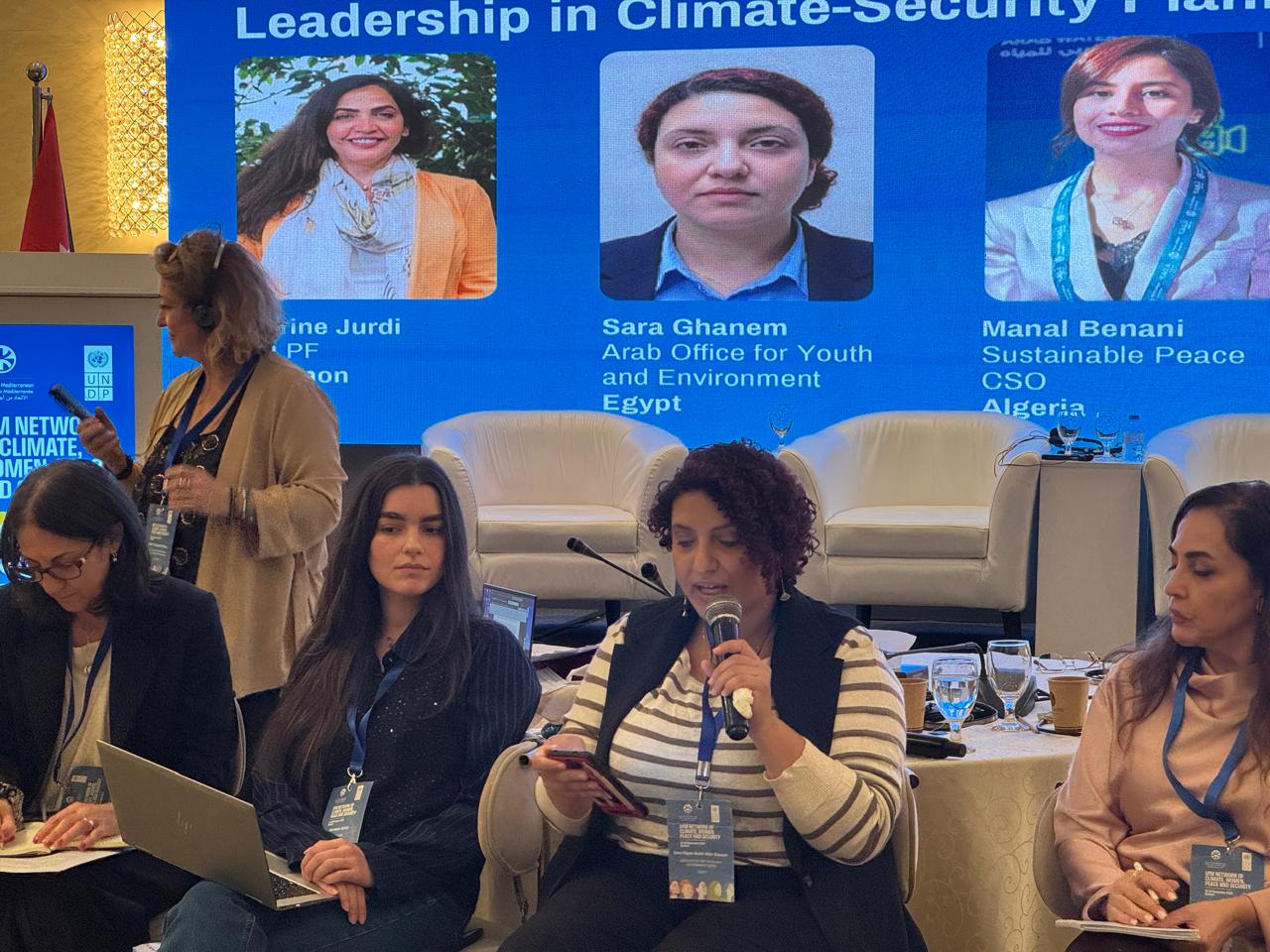
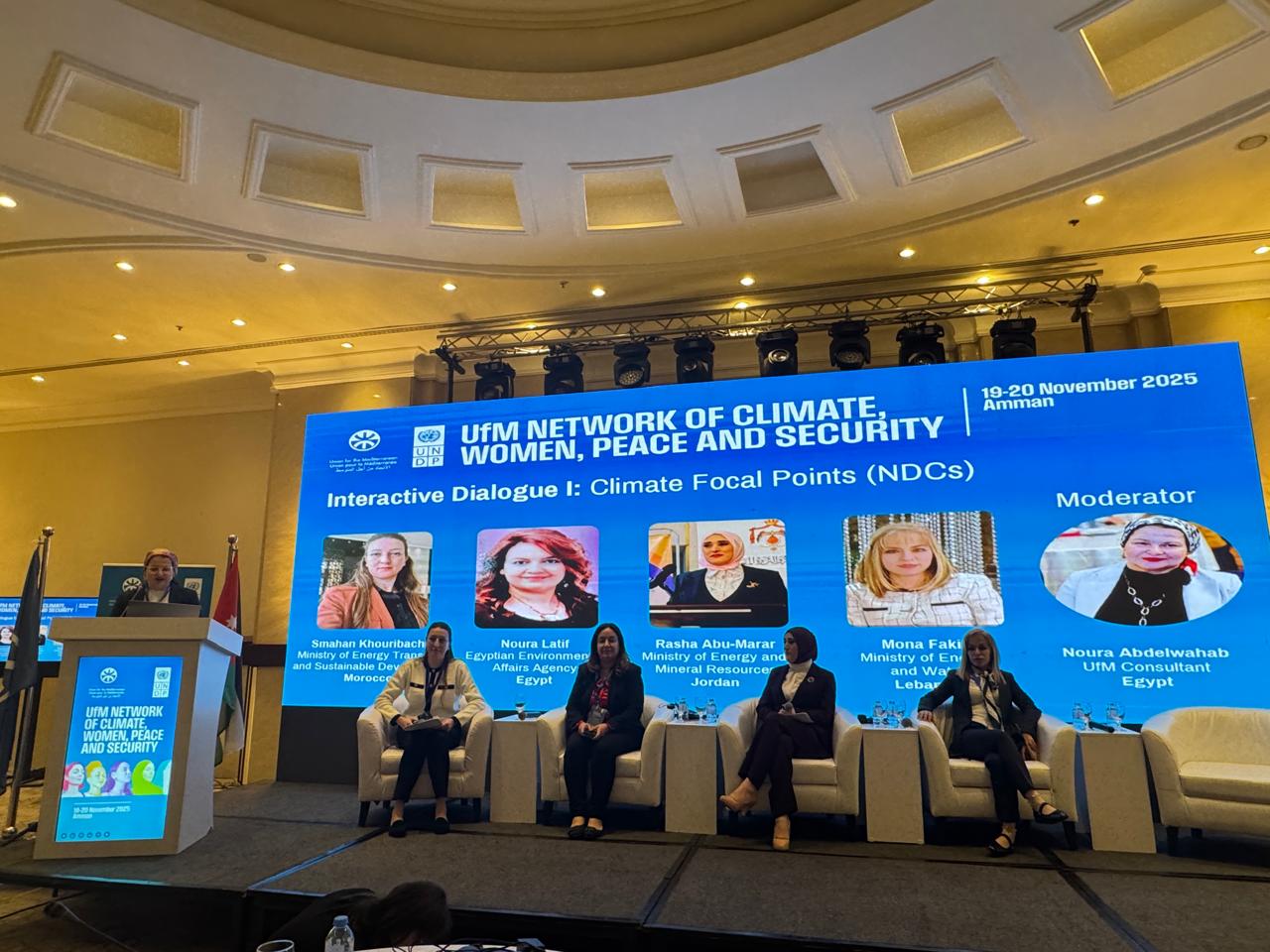
The Jordanian capital, Amman, hosted a Regional Capacity Workshop & Stakeholder Dialogue on Climate, Women, Peace and Security (WPS) on 19–20 November 2025. The workshop witnessed broad participation from representatives of governments, United Nations agencies, research centers and civil society organizations, including the Arab Network for Environment and Development (RAED), alongside a number of regional organizations.
The workshop was held under the patronage of Her Excellency Wafaa Bani Mustafa, Jordan’s Minister of Social Development and Chair of the Ministerial Committee for Women’s Empowerment, as part of growing regional efforts to enhance cross-sectoral understanding between climate crises, security and fragility risks and the Women, Peace, and Security (WPS) agenda. RAED’s participation reflects its ongoing role in supporting regional and national dialogue platforms on environmental and development issues, particularly in relation to climate risks that are increasingly reshaping approaches to community security and women’s empowerment across Arab countries.
The workshop sought to deepen understanding of the accelerating nexus between climate change, gender and security, with the aim of laying the foundations for policies and visions responsive to the needs of women and the most vulnerable groups in climate-affected contexts. Discussion sessions highlighted the reality of climate challenges in the Arab region and the additional pressures they place on women, especially in conflict-affected and socio-economically fragile communities. Participants also examined the impact of climate change as a “risk multiplier,” reflected in rising displacement, threats to food security, intensifying water scarcity and the growing burden of unpaid care work borne by women in local communities.
As a regional platform focused on environment and development, RAED contributed to discussions on practical models for climate adaptation and community-based solutions, ranging from climate-smart agriculture and integrated water resource management to renewable energy and conflict-sensitive programming that ensures environmental interventions considering social and security dimensions. The Network also emphasized the importance of investing in women’s capacities as active partners in building community resilience, rather than viewing them solely as a vulnerable group.
The workshop further addressed the importance of developing a shared regional framework to integrate climate policies with the Women, Peace and Security agenda, moving beyond theoretical awareness toward measurable and implementable tools. Interventions by several participants, including RAED representatives, stressed that women’s economic empowerment within the context of the green transition is one of the most critical pathways to strengthening stability, as it generates sustainable employment opportunities and reduces the drivers of social vulnerability that may be exacerbated by climate change.
Discussions concluded with a set of key outcomes, foremost among them reaffirming that the climate–women–peace and security nexus constitutes a pressing regional agenda that requires a comprehensive, institutional response rather than fragmented, sector-based approaches. Participants also acknowledged clear gaps in gender-responsive data, underscoring the need to establish joint regional knowledge platforms to collect and analyze data in support of evidence-based policymaking.
The participants recommended the integration of climate considerations into national action plans and their alignment with climate strategies and disaster risk management plans, alongside strengthening cooperation among government entities, UN agencies, and civil society organizations. They also highlighted the critical importance of good governance of natural resources, particularly water, given its high sensitivity to conflict and its potential to serve as an entry point for promoting community peace if managed through equitable and transparent mechanisms.