RAED Network Leads Civil Society Efforts in Egypt to Strengthen Nature-Based Solutions
Wetlands Conference Marks the First Step Toward Updating the National Strategy in Line with International Commitments
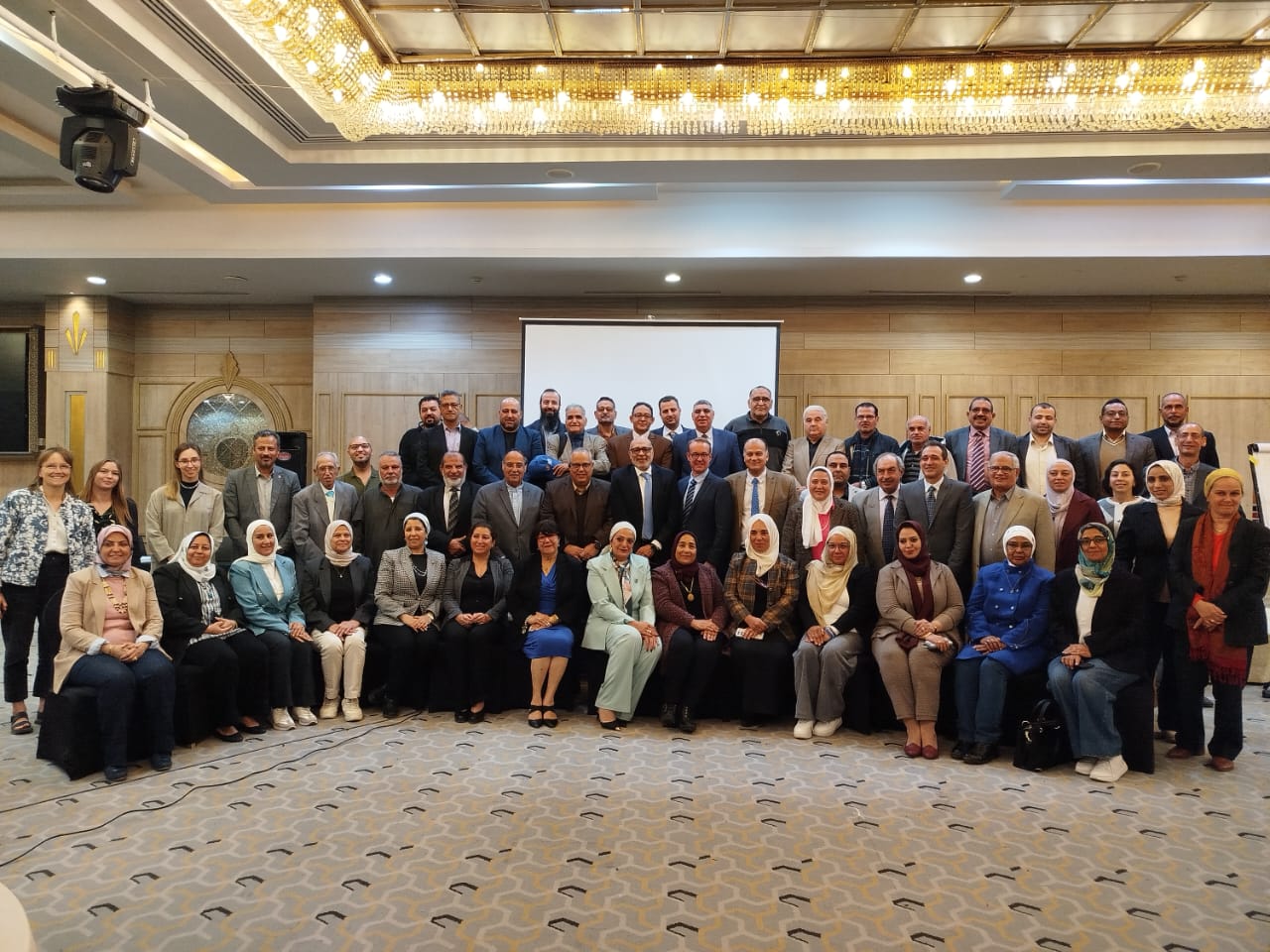
Cairo hosted, during the first week of December, the National Conference on Wetlands in Egypt, in an initiative highlighting the critical role of wetlands in delivering community-based solutions to pressing environmental challenges, such as, climate change and biodiversity loss. The conference was organized through a partnership between the Arab Network for Environment and Development (RAED), the Ministry of Environment, the Mediterranean Wetlands Observatory and the MedWet Initiative for the Protection of Wetlands in the Mediterranean Region.
The conference was convened within the framework of the project “Wetland-Based Solutions for Water, Climate Change Adaptation and Biodiversity,” funded by the Région Sud – Provence-Alpes-Côte d’Azur in southern France, a regional governmental authority supporting environmental initiatives in the Mediterranean. The project aims to underscore the importance of wetlands as a unique ecosystem in strengthening water security, enhancing climate resilience and conserving biodiversity, as a cornerstone of Egypt’s ecological systems.
RAED played a central role in the preparation, coordination and logistical support of the National Wetlands Conference. The Network’s contribution was particularly evident through its efforts to mobilize environmental civil society, facilitate multi-stakeholder engagement, and promote participatory dialogue, in line with its regional mandate to support environmental policymaking and expand public awareness.
The conference provided a platform to present the latest findings of the “Mediterranean Wetlands Outlook – Third Edition” report, alongside a review of ongoing national initiatives, most notably the RESCOM Project, led by the Mediterranean Biodiversity Consortium with support from the French Development Agency (AFD) and the French Global Environment Facility (FFEM). The project has recently been launched at Lake Burullus in Kafr El-Sheikh Governorate.
The conference, which brought together more than 50 participants from across various Egyptian governorates, opened with a keynote address by Dr. Emad Adly, General Coordinator of the RAED Network. He emphasized that the conference aims to raise awareness of the vital role wetlands play in Egypt, particularly in water resources management, biodiversity conservation, climate change adaptation and improving the quality of life of local communities.
The first working session, focusing on the status and trends of wetlands in Egypt, was chaired by Chris Rostron, Coordinator of the MedWet Initiative. Anis Guelmami of the Tour du Valat Foundation presented the key findings of the Wetlands Outlook report and moderated the second session on wetland-based solutions. The third session addressed policy and governance issues related to wetland management and was delivered by Elisa Tournon.
The interactive dialogue that followed the sessions constituted a core component of the conference. Moderated by Anis Guelmami and Dr. Noha Sami of the Egyptian Environmental Affairs Agency, the discussions focused on priorities for updating the national wetlands strategy. Key issues included capacity building, enhancing the readiness of local experts, engaging local communities and stakeholders, strengthening science and data systems, improving cross-sectoral coordination and securing sustainable financing for environmental projects.
Within this context, RAED’s pivotal role was clearly demonstrated through its facilitation of constructive dialogue among diverse stakeholders, including government institutions, researchers and civil society organizations. The Network also promoted community participation in environmental decision-making and put forward an integrated vision for mainstreaming nature-based solutions into national water, climate and biodiversity policies. Its efforts contributed to ensuring effective and inclusive stakeholder representation, thereby enhancing the prospective effectiveness of the updated national strategy.
Participants affirmed that the conference represents an important milestone within a broader process aimed at scaling up the use of wetlands as innovative nature-based solutions to address climate and water challenges. It also marks the first step toward updating Egypt’s National Wetlands Strategy in alignment with the country’s international environmental commitments, particularly under the Ramsar Convention, as well as biodiversity and climate change agreements.
The conference concluded with expressions of appreciation to all participants for their valuable contributions, as well as to international partners and supporting institutions. Organizers emphasized that the conference outcomes will serve as a foundation for a broader participatory process in the coming period, aimed at strengthening the role of wetlands in public policies and advancing nature-based solutions as a sustainable pathway to enhance the resilience of local communities in Egypt in the face of climate change impacts.