Stakeholder Participation to Enhance Drought Resilience through Reinforced Indigenous Knowledge and Smart Tools for Socially-Just Water Management- ABCDryBASIN Project
Stakeholder Participation to Enhance Drought Resilience through Reinforced Indigenous Knowledge and Smart Tools for Socially-Just Water Management- ABCDryBASIN Project
Stakeholder Participation to Enhance Drought Resilience through Reinforced Indigenous Knowledge and Smart Tools for Socially-Just Water Management- ABCDryBASIN Project
Project Description:
The project focuses on enhancing drought resilience by strengthening stakeholder capacity in drought monitoring and management using traditional, indigenous knowledge integrated with science-based approaches and smart tools. It adopts participatory approaches for stakeholder engagement to create a roadmap for drought adaptation and resilience in the MENA Region and the Sahel & Horn of Africa.
It also seeks to provide a social study on traditional knowledge and practices for combating drought and desertification in the Northern Coast of the Nile Delta in Egypt.
General Objective:
To enhance drought resilience by improving stakeholders’ capacity in monitoring and managing drought using traditional knowledge, science-based approaches, and smart tools.
Specific Objective:
Engage and consult with stakeholders to identify strengths, gaps, and capabilities for drought preparedness and resilience.
Incorporate socioeconomic and environmental indicators into formal drought monitoring strategies.
Conduct capacity-building activities to enhance stakeholder knowledge on drought monitoring and management methods.
Activities:
Identifying Drought Dimensions: Analyzing thematic data and hydro-climatic records using GIS and remote sensing to understand the temporal and geographic dimensions of drought.
Socioeconomic & Indigenous Knowledge Assessment: Ethnographic research to document traditional methods and assess community resilience.
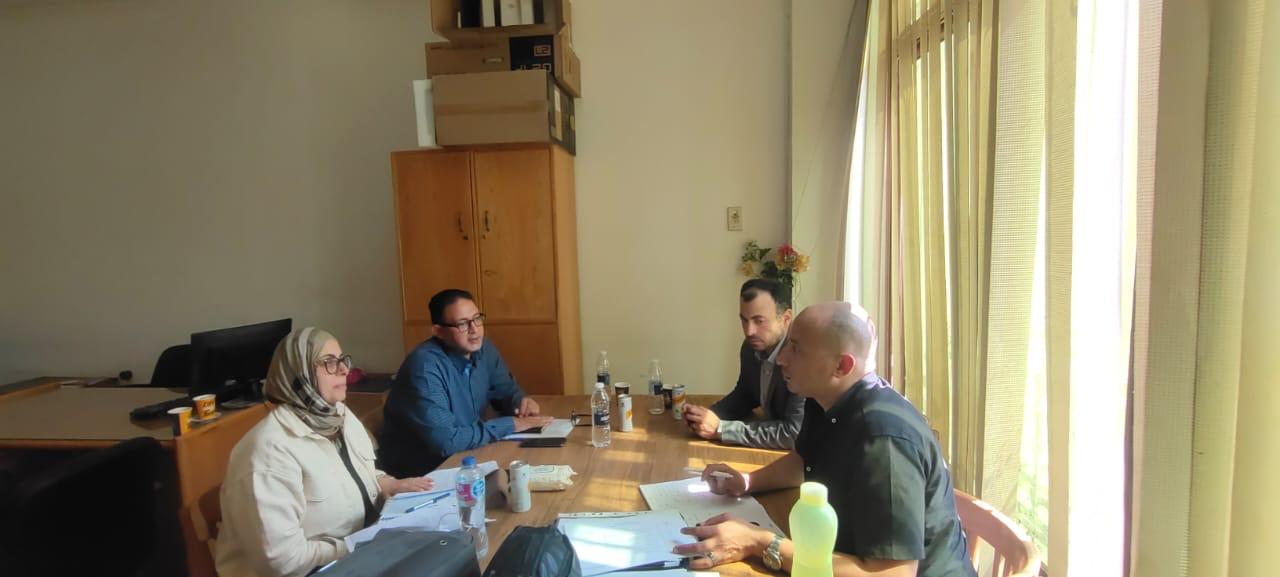
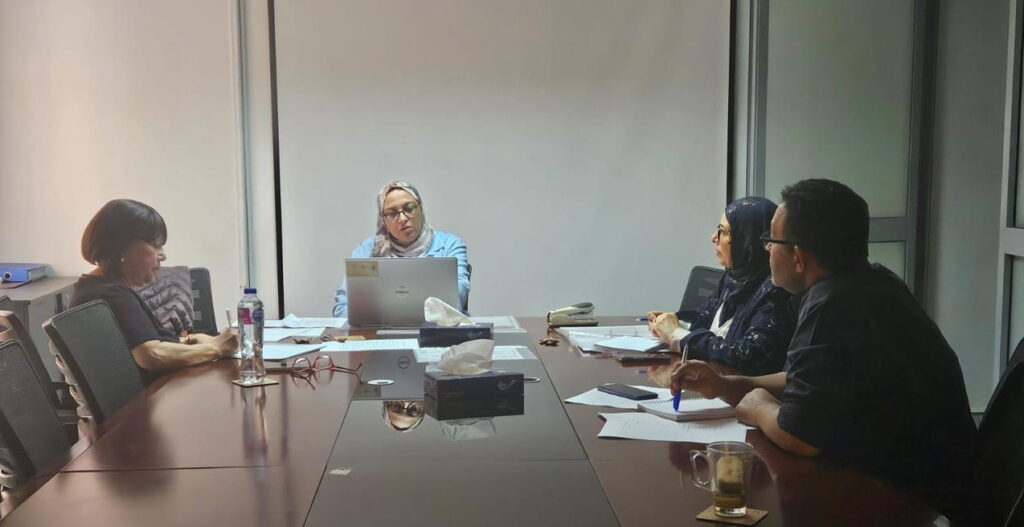
Participatory Workshops and Building Local Water Governance Groups (LWGGs): Engaging stakeholders for cross-learning and establishing LWGGs for knowledge transfer and sustainable water governance.
Participatory Development of Interventions with Stakeholders: Co-designing interventions integrating traditional methods with smart technologies.
Cross-Learning and Education: Capacity-building through webinars, seminars, and educational programs for various stakeholders, including rural communities and graduate students.
Development of Living Labs and Training on Citizen Science and Smart Tools: Establishing Living Labs for joint learning and demonstrating drought resilience solutions.
Dissemination of Outputs & Capitalization Plan: Sharing project outcomes and ensuring sustainability through workshops and documentary videos.
Implementation Site:
North Delta Region, Egypt (Kafr El-Sheikh, Beheira, and Alexandria governorates).
Focus on vulnerable communities in these areas, especially those affected by drought and water scarcity.
Partners:
Network for Environment and Development – RAED
Local NGOs, agricultural directorates, water resource authorities, and universities (e.g., Damanhour University)